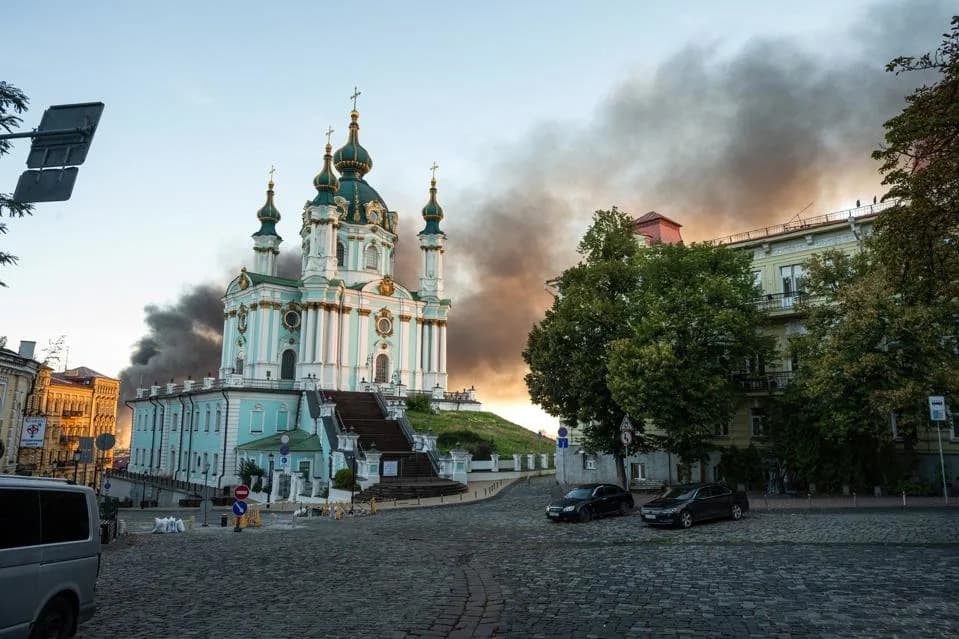
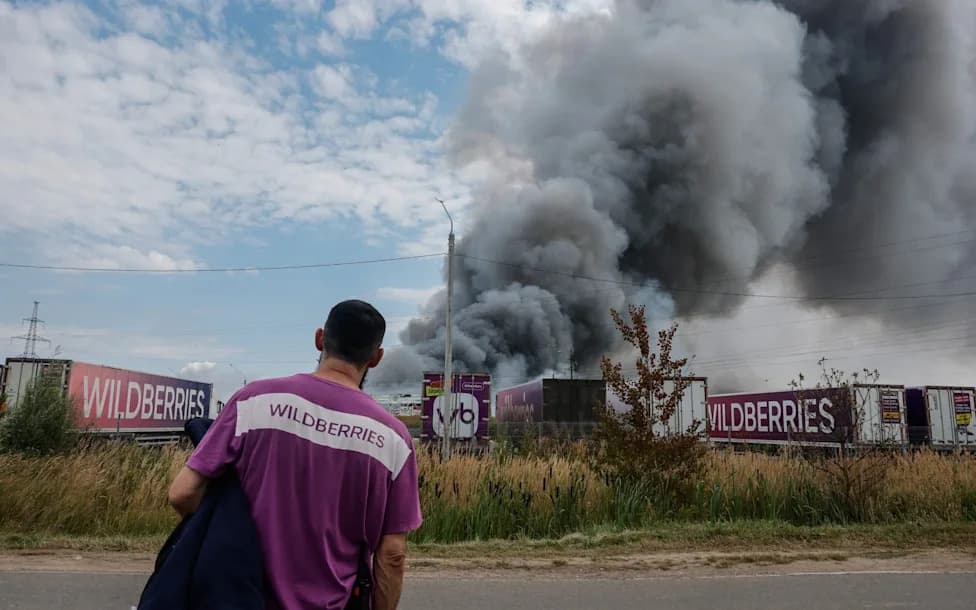
Ukraine's deep-strike campaign has again hit Wildberries, Russia's largest online retailer, after a drone strike in Bashkortostan sparked a warehouse fire. The attacks, which began on July 18 and have hit multiple distribution centers, are tied to dozens of casualties and losses estimated at 600–800 billion rubles ($6–$8.5 billion). Analysts say Kyiv aims to raise the economic cost of Russia's war effort and that the strikes are accelerating shifts in logistics, insurance and merchant behavior. Wildberries CEO Tatyana Kim denounced the attacks as terrorism while observers note a muted Kremlin response.
Ukraine Deep-Strike Campaign Hits Wildberries Warehouses — Billions Lost, Kremlin Protection Questioned
Wildberries
Ukraine’s widening deep-strike campaign again struck Russia’s largest online retailer on Thursday after a drone hit an oil and petrochemical complex in Bashkortostan and sparked a fire at a nearby Wildberries warehouse, according to multiple reports.
Wildberries — often described as “Russia’s Amazon” — said the site was evacuated and that no merchandise was stored there at the time, Reuters reported. The incident is the latest in a series of attacks on the firm’s distribution network that began on July 18, when drones struck logistics centers in Kotovsk and Elektrostal. Those early strikes were linked to seven deaths and more than 60 injuries, according to local reports.
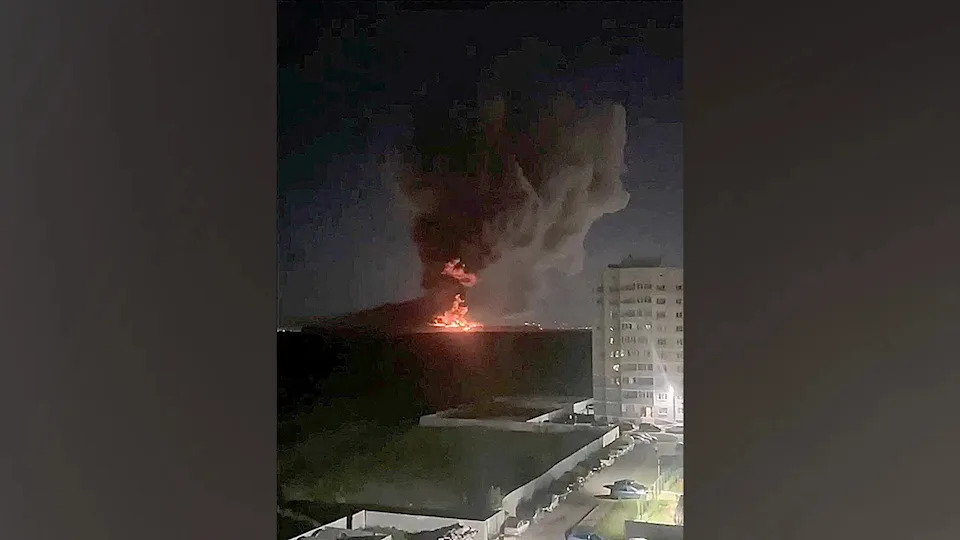
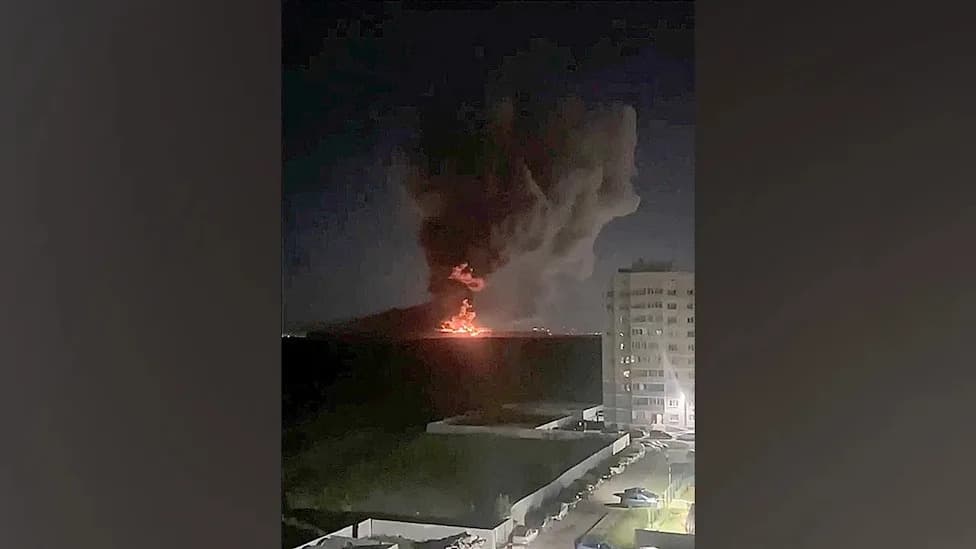
Fire burns at a Wildberries in the Voronezh region in Russia
Four days after the initial attacks, drones struck facilities in Krasnodar and Nevinnomyssk, igniting fires and injuring roughly 15 people. Subsequent footage and satellite imagery showed smoke over a Wildberries site in the Voronezh region and damage near Aleksin; Ukrainian authorities also said the Shushary facility in the Pushkinsky District of St. Petersburg was struck on July 24, 2026.
Economic and Strategic Impact
Analysts frame the pattern as part of Kyiv’s effort to raise the economic and logistical cost of sustaining Russia’s war effort. "We can call it 'kinetic sanctions enforcement,' or Ukraine's adaptation of economic coercion into physical strikes," said Kateryna Bondar, a senior fellow at the Wadhwani AI Center at the Center for Strategic and International Studies, in remarks cited by Fox News Digital.

Wildberries founder and CEO Tatyana Kim has since accused Ukraine of deliberately targeting a civilian company and, in a July 31 video address, described the strikes as a "terrorist attack."
Ukrainian outlet Pravda estimated total losses to Wildberries and its sellers at between 600 billion and 800 billion rubles — roughly $6 billion to $8.5 billion. Wildberries reportedly has only 5% to 7% of its sellers insured, meaning tens of thousands of small businesses could shoulder much of the financial shock. Bondar also said about 27% of Wildberries' warehouse capacity is out of operation.
Political and Psychological Effects
Beyond the direct financial toll, analysts emphasize psychological and political consequences. Witness recordings show reactions ranging from fear and shock to anger and frustration at perceived shortcomings in Russia's air defenses. Bondar said the strikes also signal limits to the political protection traditionally afforded to well-connected business figures.
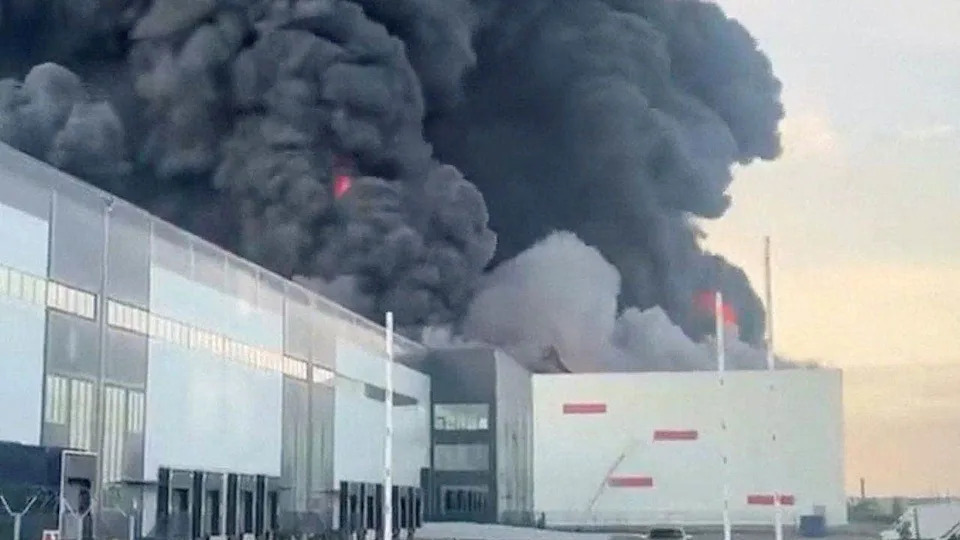
In a screenshot taken from social media video, smoke rises from a Wildberries site from what the Ukrainian authorities say was a drone attack in Shushary, Pushkinsky District, St. Petersburg, Russia July 24, 2026.
Wildberries founder and CEO Tatyana Kim — estimated by Forbes to be worth roughly $7 billion in July — has condemned the attacks and accused Ukraine of deliberately targeting a civilian company. In a July 31 video address, Kim called the strikes a "terrorist attack," saying merchants and consumers across ten countries had suffered "losses amounting to billions" and arguing that the company should not be forced to cover all such losses itself. Moscow's response has been muted, and Kim has reportedly sought tax deferrals rather than public compensation or air-defense support.
Operational Issues and Company Response
The strikes have drawn scrutiny over Wildberries' security practices, including a controversial ban on workers' smartphone use. The company framed the policy as an air-defense security measure, but some observers argue it aims to limit real-time sharing of footage and public visibility of the damage. Reports say phones were locked away during attacks, potentially hindering employees' ability to call for help.
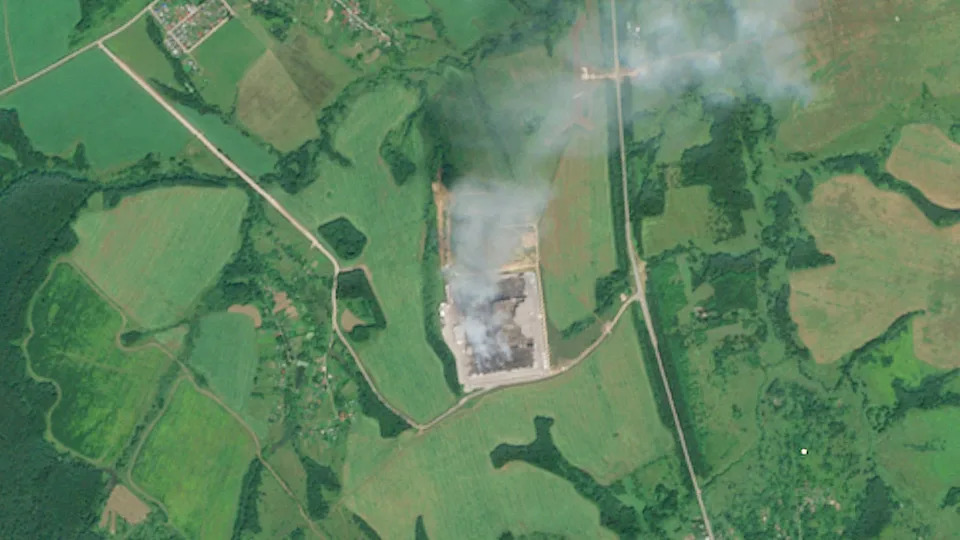
A satellite image shows a damaged Wildberries site after a Ukrainian drone attack, in Aleksin
Bondar and other analysts say Kyiv views Wildberries facilities as dual-use distribution nodes — channels for both civilian commerce and items that can support military efforts, from personal protective equipment to components used in drone systems — and as possible conduits for sanctions circumvention. Kyiv also presents the strikes as retaliation for Russian attacks on Ukrainian civilian logistics networks such as Nova Poshta and Ukrposhta.
Broader Implications
The campaign is prompting businesses and merchants to reassess logistical risk in Russia: diversifying platforms, shortening inventory cycles, seeking prepayment, and increasing insurance demands. The strikes have sparked debate domestically and internationally over the vulnerability of commercial logistics during prolonged conflict, the responsibilities of private firms in wartime economies, and the legal and ethical boundaries of targeting infrastructure tied to civilian commerce.
Key figures: Estimated losses of 600–800 billion rubles ($6–$8.5 billion); 5%–7% of sellers insured; roughly 27% of warehouse capacity reportedly offline.
Help us improve.