Overall colorectal cancer incidence and mortality have declined, but diagnoses among people under 50 have risen in some countries — a puzzling and important trend. Known risk factors such as environmental chemicals and obesity do not fully explain why younger cohorts would be affected while older adults are not. Differences in testing, diagnostic practices and cancer registry reporting likely contribute, but no single cause has been established. Researchers call for more comparative studies to identify the drivers and guide prevention.
Rising Colorectal Cancer Among Young Adults Is Puzzling Scientists — Here's What We Know
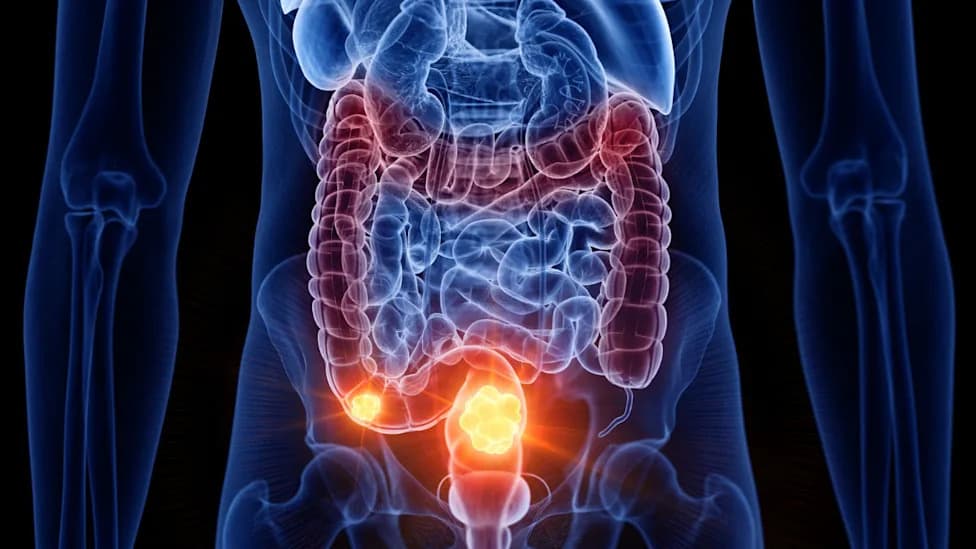
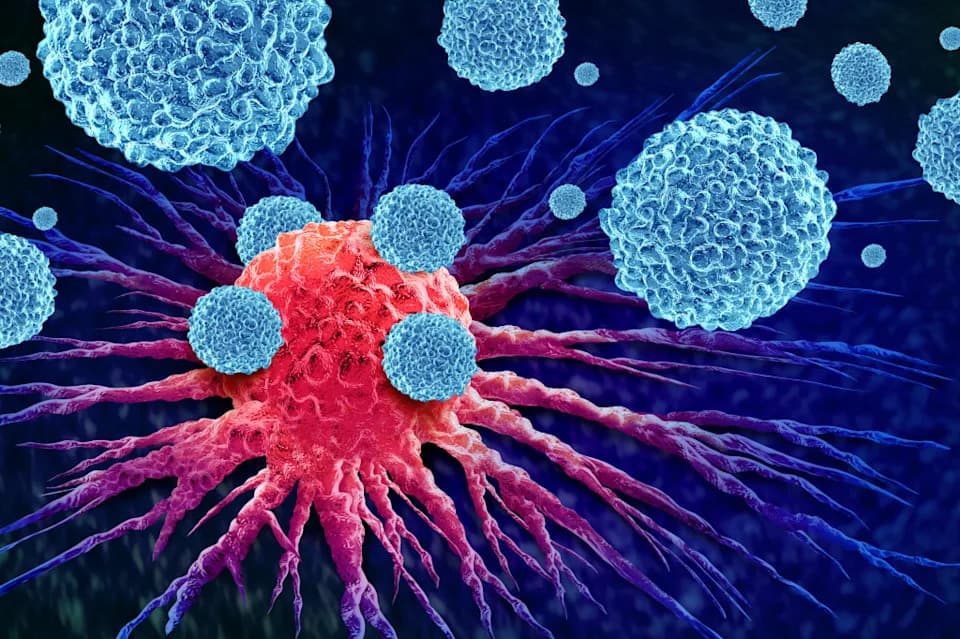
(Sebastian Kaulitzki/Science Photo Library/Getty Images)
It may feel like a good time to be alive in 2026: on average people live longer, infectious diseases are rarer, and age-adjusted deaths from many chronic conditions have fallen. Cancer broadly reflects that progress—incidence for several cancers has been stable or declining for decades, and cancer mortality has dropped significantly thanks to better prevention, detection and treatment.
What’s happening with colorectal cancer?
Despite overall declines in colorectal cancer (which includes cancers of the colon and rectum), many countries have recorded a surprising increase in diagnoses among people under 50. This rise affects a small absolute number of cases — most colorectal cancers still occur in older adults — but the age pattern is unexpected and concerning.
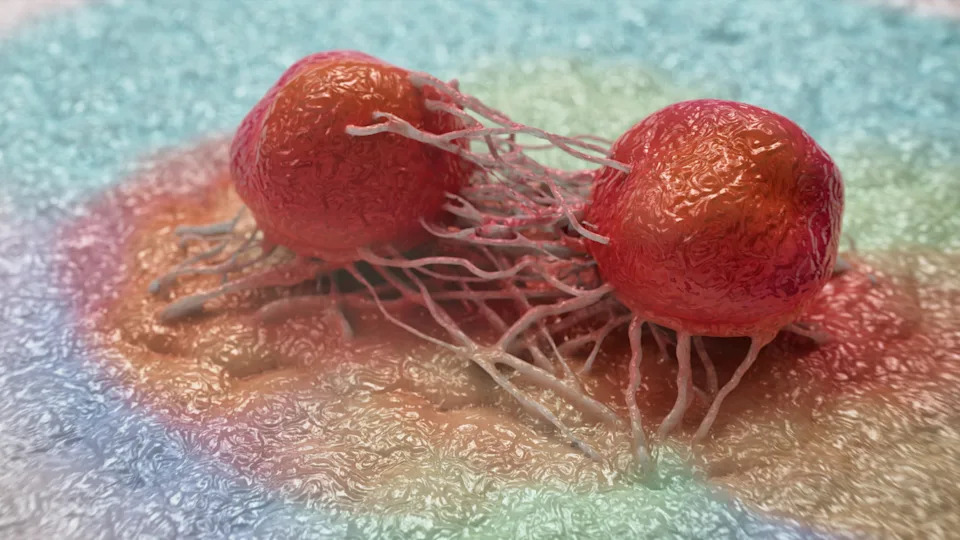
(koto_feja/Getty Images)
“While rates of colorectal cancer — which includes both colon and rectal cancers — have fallen overall, there's been a recent uptick in cases in people under the age of 50, which is considered young when it comes to cancer.” — Gideon Meyerowitz-Katz, Epidemiologist
Why researchers are puzzled
The unusual part of the trend is that rates appear to be falling or stable in older adults while rising in younger cohorts. That contradicts many straightforward explanations, because most known risk factors for colorectal cancer either accumulate with age or were more common in earlier generations.
Leading hypotheses and their limits
- Environmental chemicals: Compounds like the herbicide picloram and per- and polyfluoroalkyl substances (PFAS) have been linked to colorectal cancer in some studies. But these exposures were often greater in past decades and do not neatly map to an increase only in younger people today.
- Obesity: Rising obesity is a plausible contributor—excess weight is a known risk factor—but modeling studies suggest weight gain might explain at most about 15% of the observed rise among younger adults.
- Changes in testing and diagnosis: Increased diagnostic activity, greater awareness of symptoms, and improved cancer registries could raise measured incidence in younger groups by identifying cancers that previously went undetected.
- International variation: The pattern is not uniform worldwide. Some analyses (including studies from 2019 and a 2025 review) show stable or declining rates among young people in many countries, which implies that local health systems, behaviors, or data practices may play a role.
What this means now
No single explanation currently accounts for the full pattern. The most likely answer is a combination of factors: modest contributions from rising obesity and other lifestyle changes, differences in diagnostic and reporting practices, and possibly environmental or yet-unidentified causes that vary by country. Pinpointing the drivers will require more detailed, comparative research.

Subscribe to ScienceAlert's free fact-checked newsletter
Practical takeaways: although the absolute number of colorectal cancers in people under 50 remains low, clinicians and the public should pay attention to persistent symptoms such as rectal bleeding, unexplained weight loss, or changes in bowel habits. Many guidelines have recently reconsidered screening ages, and anyone with concerning symptoms should seek medical advice promptly.
About the author: Gideon Meyerowitz-Katz is an epidemiologist who studies chronic disease in Sydney, Australia. He writes about public health, science communication and how to interpret new research findings.
Help us improve.