California’s electricity mix became cleaner in 2024: about 62% of statewide power came from carbon-free sources, up from 58% in 2023. Rapid solar growth (about 20% of generation) and roughly 21,000 MW of battery storage are enabling excess daytime solar to meet evening peaks. Batteries are cutting reliance on gas plants, though curtailment and gas use during extreme events remain challenges.
California’s Grid Greener in 2024: Solar and Batteries Cut Reliance on Gas
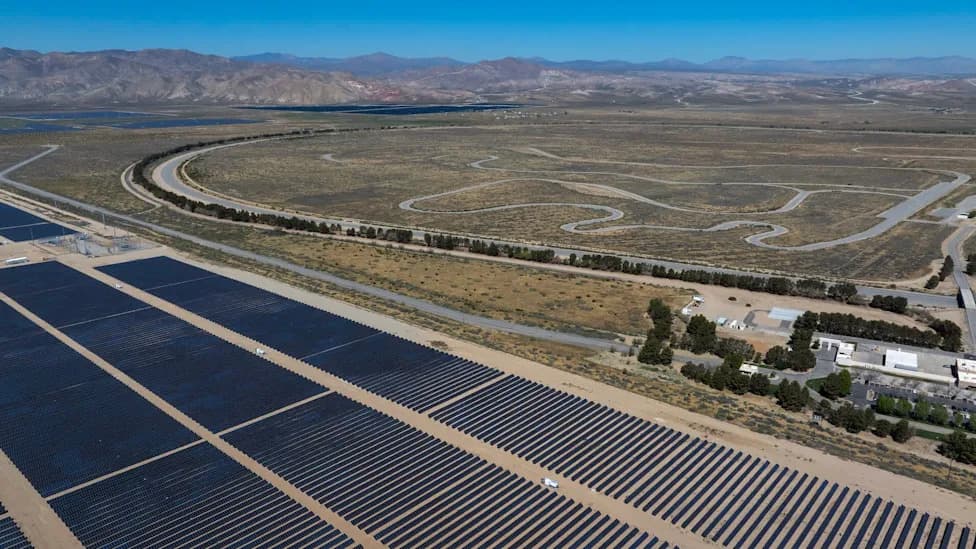
Photo Credit: Getty Images
California hit a major clean-energy milestone in 2024: roughly 62% of the electricity consumed statewide came from carbon-free sources, up from 58% in 2023, according to California Energy Commission data reported by KQED.
What’s Driving the Change
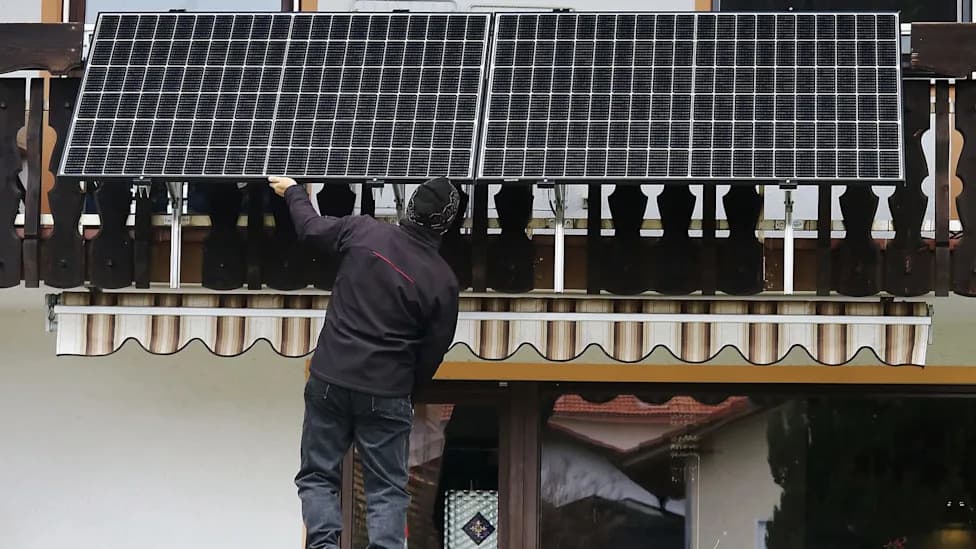
Rapid expansion of solar generation and a nationwide-leading build-out of battery storage are reshaping how millions of residents get power. Solar supplied about 20% of California’s electricity in 2024 — more than double its share a decade earlier — and the state now has roughly 21,000 megawatts of battery capacity, the largest total of any U.S. state.
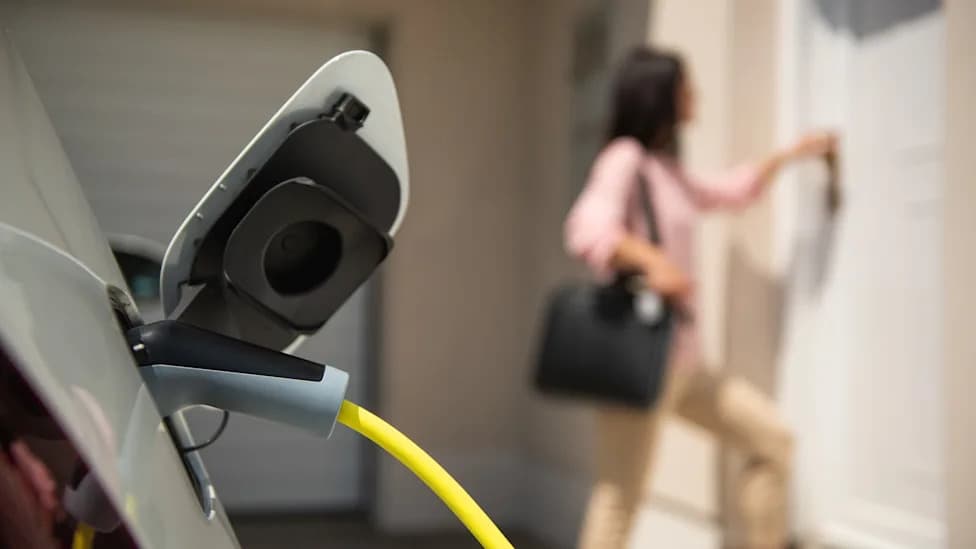
Those batteries store excess daytime solar output and discharge it during evening demand peaks, when people return home, cook, charge electric vehicles, and run air conditioning. That pairing of solar plus storage lets the grid use far less gas-fired generation during peak hours and helps cut air pollution from fossil fuels.
“The grid has been transformed not just by solar, but really coupled with the growth of battery projects,” said Andrew Campbell, executive director of the Energy Institute at UC Berkeley Haas, in comments to KQED.
Benefits for Consumers and the Grid
Because daytime supply from solar has increased, midday electricity is often abundant and, in many places, cheaper under time-of-use pricing. Shifting energy-intensive tasks — charging an EV, running the dishwasher or laundry — to midday can lower bills and better align demand with clean generation.
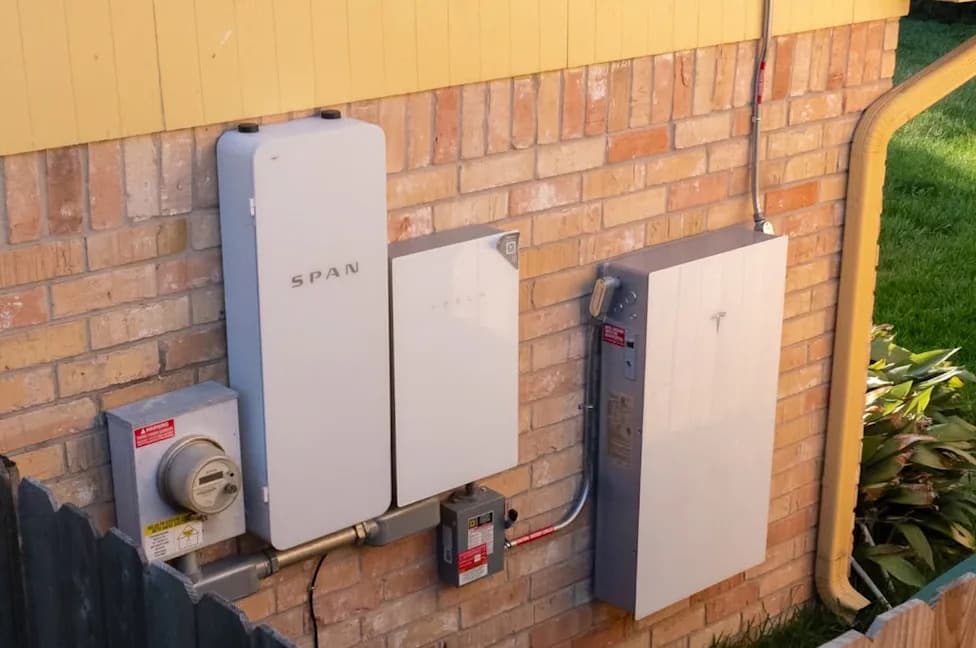
For homeowners, adding battery storage to rooftop solar boosts resilience during outages, increases self-consumption after sunset, and can reduce purchases of pricier evening electricity. Marketplaces and comparison tools can simplify shopping for systems and help identify available incentives and competitive installation quotes.
Remaining Challenges
Despite rapid progress, challenges remain. Natural gas still plays a role during extended heat waves, prolonged cloudy periods, wildfire-driven outages and other emergencies. The state also contends with curtailment — instances when some solar or wind output must be reduced because supply exceeds demand or transmission constraints exist.
Addressing those issues will require continued investment in storage, grid upgrades, demand flexibility (including smart charging and time-of-use programs), and regional transmission planning so clean energy can be delivered where it’s needed.
Bottom line: Solar growth and a continuing battery build-out are materially cleaning California’s electricity mix, reducing evening reliance on gas plants while creating new operational and policy challenges that the state is working to solve.
Help us improve.