A study of more than 2.7 million patients (2012–2023) shows median surgical wait times have increased for six common cancers staged 1–3, including breast, colon and gastric cancers. Delays were longest at large academic centers and disproportionately affected Black patients, the uninsured or Medicare beneficiaries, and patients in the western U.S. Causes include staffing shortages, more urgent-care referrals and greater treatment complexity; wait times rose during COVID and continued to increase afterward. Prior research links each month of delay to a substantial rise in mortality risk.
US Cancer Surgery Waits Have Lengthened — Delays May Raise Mortality Risk
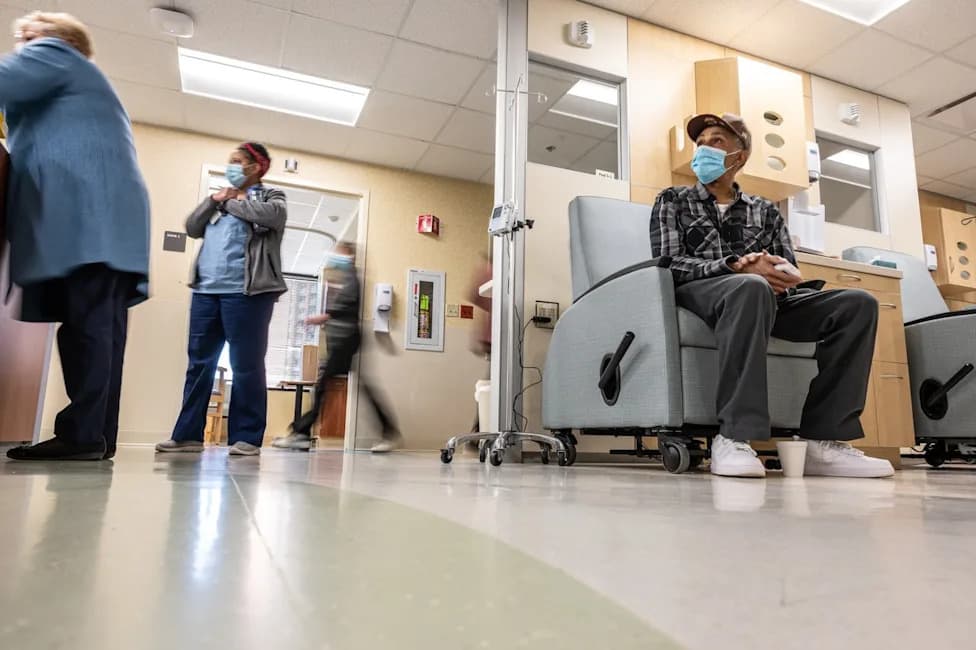
US cancer patients are facing longer waits for surgery - and the consequences are dire
Patients in the United States are waiting longer for cancer surgery than they did a decade ago, and researchers warn those delays could have serious consequences. A new analysis of more than 2.7 million records found increased median wait times for six common cancers diagnosed at stages 1–3 — the stages typically eligible for immediate surgery.
Key Findings
The study, using the National Cancer Database (2012–2023), found median surgical wait times rose across the board for breast, colon, lung, pancreatic, gastric and esophageal cancers. Notable increases included breast cancer (about 34 → 45 days), gastric cancer (about 35 → 49 days) and colon cancer (about 20 → 31 days).
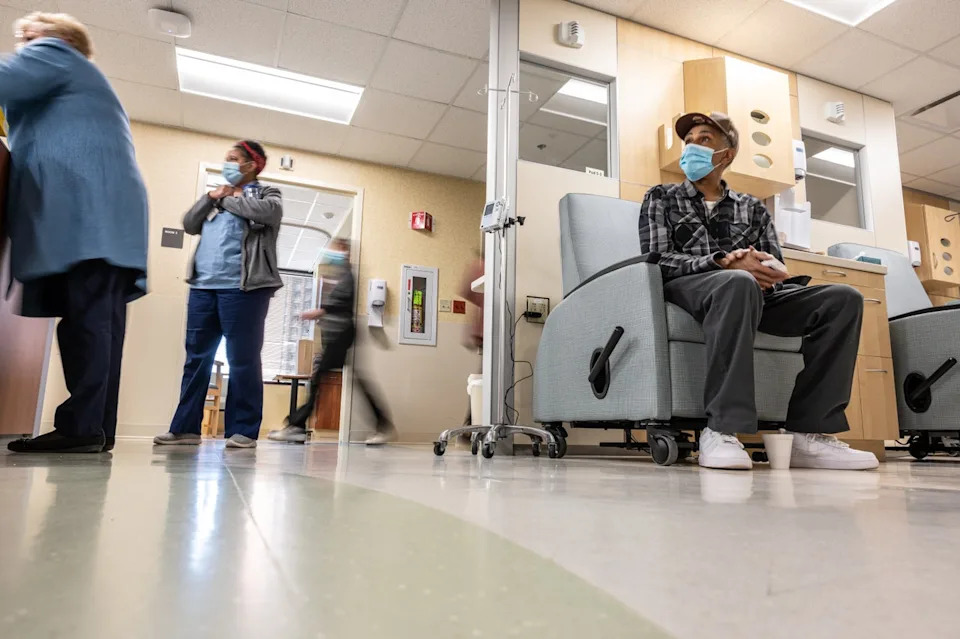
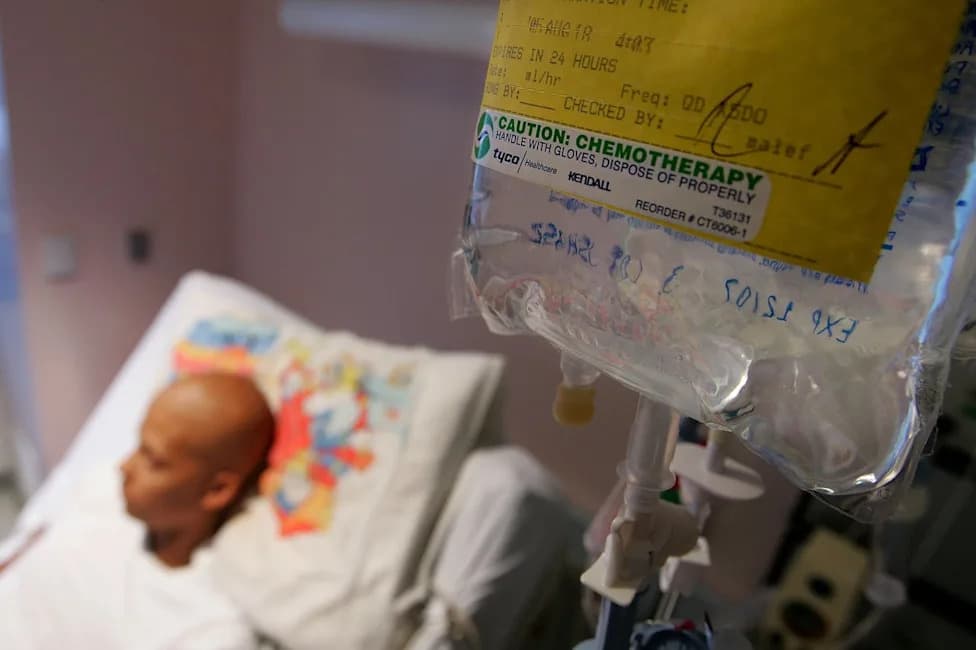
Cancer patients in the US are facing longer wait times for life-saving surgeries. That's dangerous, according to experts (Getty)
Who Is Most Affected?
Delays were longest at large academic medical centers. The increase disproportionately affected Black patients, people without insurance or on Medicare, and patients treated in the western United States.
Why Waits Are Growing
Investigators point to multiple contributors: staffing shortages and strained facility resources; more referrals from urgent-care clinics; and growing complexity of cancer care, including broader use of robotic and multidisciplinary procedures. The dataset includes the COVID-19 years when many surgeries were postponed, but researchers noted a continued, noticeable increase in wait times even after the pandemic’s acute phase.
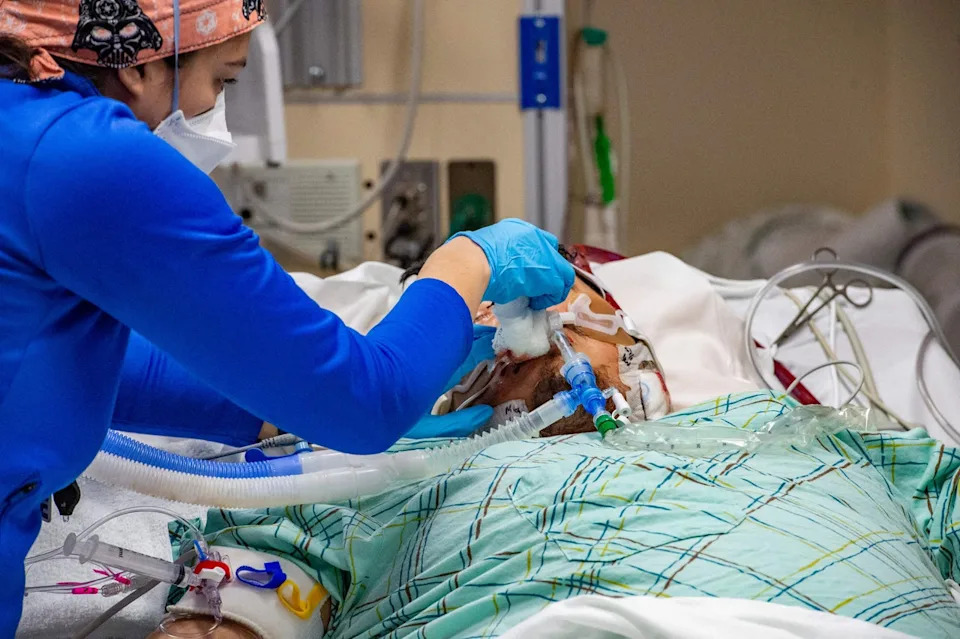
While there was a delay in cancer surgeries during the Covid-19 pandemic, the researchers said there was also a 'noticeable increase' after the pandemic (AFP/Getty)
Clinical Consequences
Experts emphasize that delays matter. Prior studies suggest each month of treatment delay can raise the risk of disease progression and death. An international analysis cited a roughly 10% higher mortality risk per month of delay; another study found a 4.6% increase in the risk of death for every 30-day delay from diagnosis. "What was striking was the consistency," said Tim Donahue, the study’s senior author. "Across every cancer we studied, patients are waiting longer today than they were a decade ago."
"Many things are completely out of the medical team's control when caring for patients with head and neck cancer, but time to surgery is something we can immediately modify," said Dr. Stephen Kang, a head and neck cancer surgeon commenting on the findings.
Bottom Line
The trend is concerning: postponing surgery can increase the chance of cancer spread and premature death. The American Cancer Society projects about 626,140 cancer deaths in the United States in 2026, with more than 2.1 million new cases — underscoring the urgency of addressing surgical access, equity and hospital capacity.
Help us improve.