The Ghana Cocoa Board Bill, 2026, which Parliament passed in late July, would give cocoa farms "protected" status and ban conversion of cocoa land without COCOBOD approval, with penalties up to 20 years in prison. Farmer groups support protecting cocoa but want clearer rules and consultations, especially for diseased or unproductive plots where alternative crops may be needed. COCOBOD says the bill protects farmers, while the president has not yet signed it.
Ghana Cocoa Farmers Urge President To Pause New Land-Use Law Over Unclear Rules
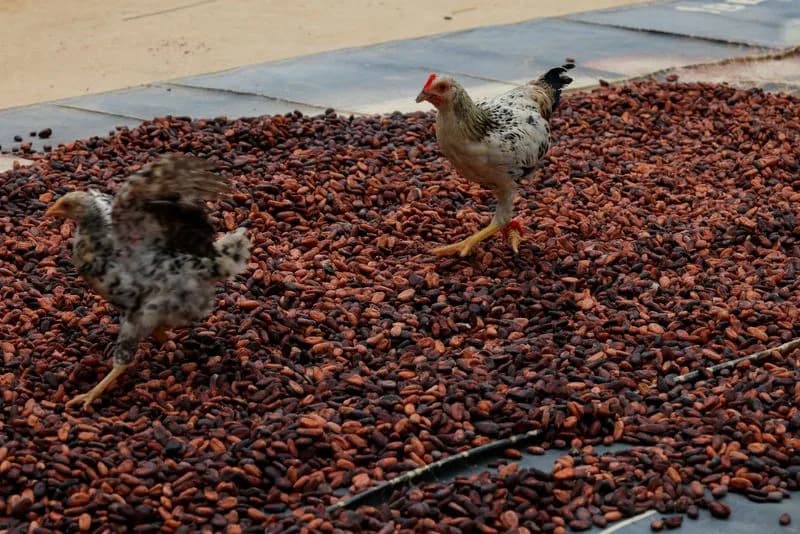
FILE PHOTO: Chickens walk on cocoa beans as they are sun-dried at a home in Afosua, Ghana February 11, 2026. REUTERS/Francis Kokoroko/File Photo
Ghanaian cocoa farmers are calling on President John Dramani Mahama to withhold assent to the newly passed Ghana Cocoa Board Bill, 2026 until growers receive clearer guidance and meaningful consultation. While the measure is intended to curb the conversion of cocoa land to mining and other crops, farmers say parts of the law are vague and could unfairly criminalize ordinary decisions on diseased or unproductive plots.
What The Bill Would Do
The Ghana Cocoa Board Bill, 2026—approved by Parliament in late July—would designate cocoa farms as "protected" land and prohibit conversion of such land without approval from the market regulator COCOBOD. The bill allows only board-sanctioned rehabilitation as an exception. Violations carry fines and potential prison sentences of up to 20 years.
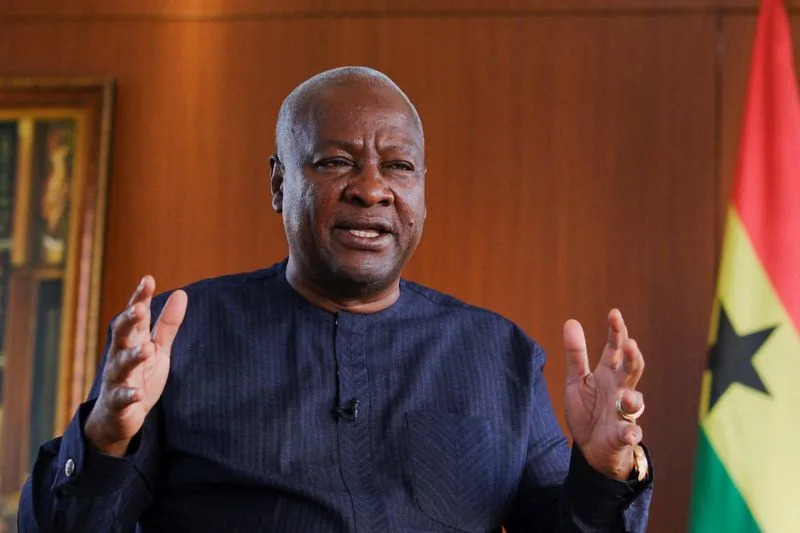
FILE PHOTO: Ghana's President-elect John Dramani Mahama, 66, speaks with Reuters journalists in his office after general elections, in Accra, Ghana, December 13, 2024. REUTERS/Francis Kokoroko/File Photo
Why Farmers Are Concerned
The law aims to stop a growing trend in parts of Ghana where cocoa plots are cleared for mining or replaced with other crops, such as rubber—practices that lawmakers and industry officials say contribute to falling national cocoa output. Still, farmer representatives support protecting cocoa trees while pressing for clearer wording and practical safeguards.
"We agree the tree must be protected because that is the source of our livelihood, but we have critical situations where a farmer may have to cut down a diseased farm and plant another crop that will bring him or her income," said Moses Djan Asiedu, administrator of the Ghana Cooperative Cocoa Farmers and Marketing Association Limited.
Stakeholders And Reactions
The Ghana Cooperative Cocoa Farmers and Marketing Association Limited—an umbrella body for cooperative societies—asked that several provisions be reviewed and explained to growers before the bill becomes law. Minority lawmakers echoed these concerns in Parliament. COCOBOD, meanwhile, has rejected the criticisms as politically motivated, saying the bill was drafted to protect farmers and the sector.
Ghana and neighboring Ivory Coast together produce roughly half of the world's cocoa, making any policy affecting land use and yields of international interest. President Mahama has not yet signed the bill and has given no public timetable for his decision.
What To Watch
- Whether the president requests amendments or stakeholder consultations before signing.
- How COCOBOD defines "rehabilitation" and enforcement procedures for protected cocoa land.
- Impacts on farmers with diseased or commercially unproductive plots and on smallholder livelihoods.
Help us improve.