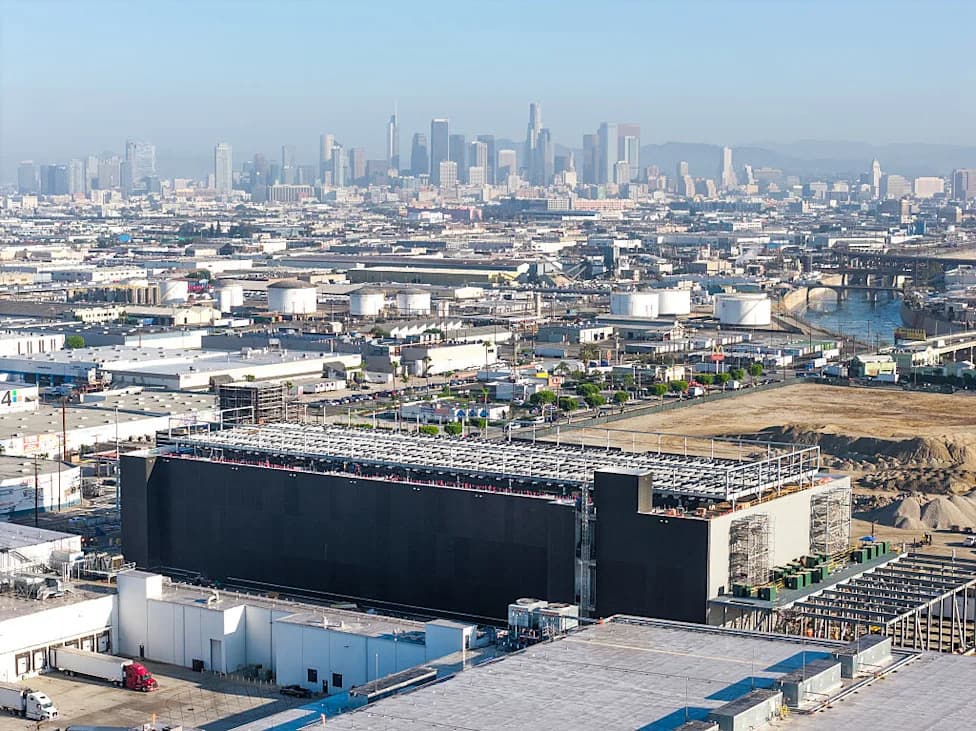
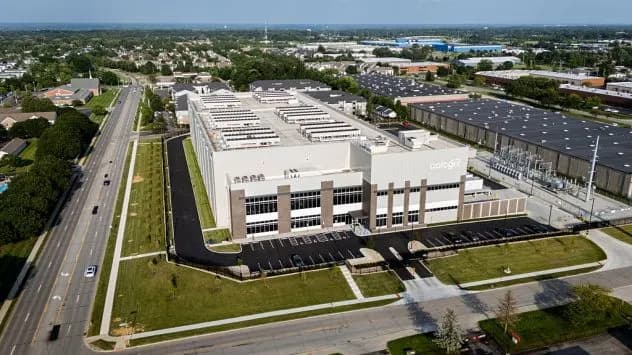
The U.S. expansion of AI data centers is driving proposals for at least 82 private natural-gas generators, which analysts say could emit roughly as much pollution as about half of U.S. passenger cars. Texas and Ohio are notable hot spots, with some permits approved in as few as 18 days and limited public disclosure in some cases. Experts warn this trend could worsen local air quality and greenhouse-gas emissions unless states tighten permitting, require public notice and environmental review, and accelerate investments in renewables and grid upgrades.
AI Data Centers Fuel Private Gas Plants in Texas and Ohio — Emissions Could Match Half of U.S. Cars
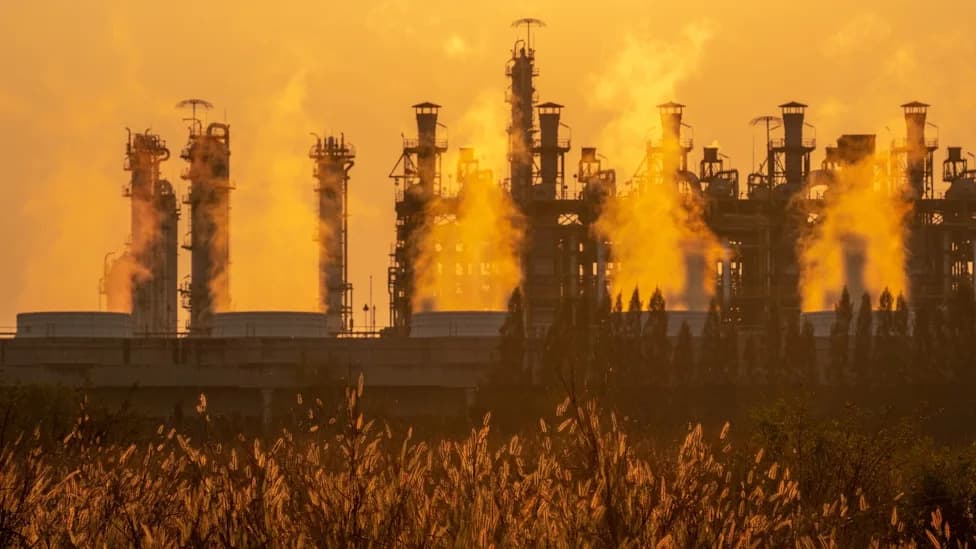
Photo Credit: iStock
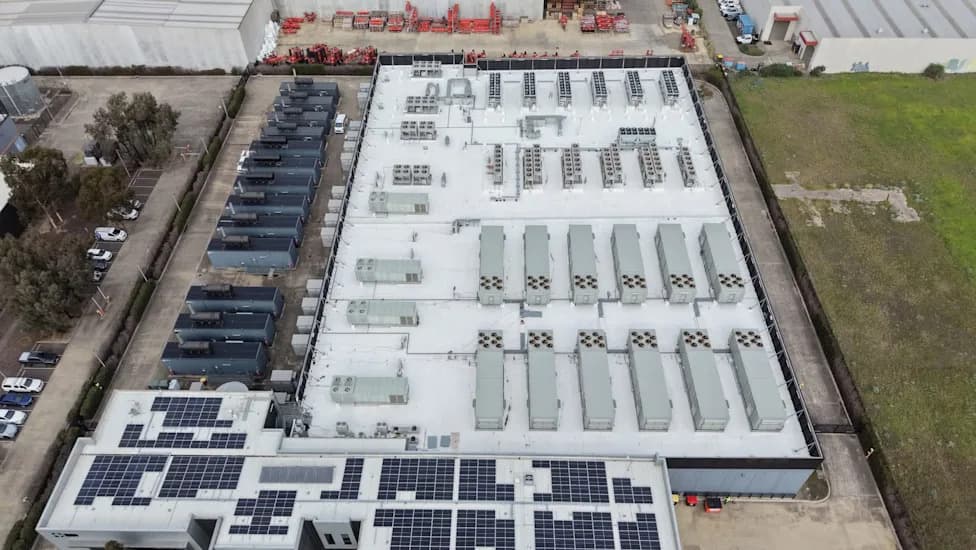
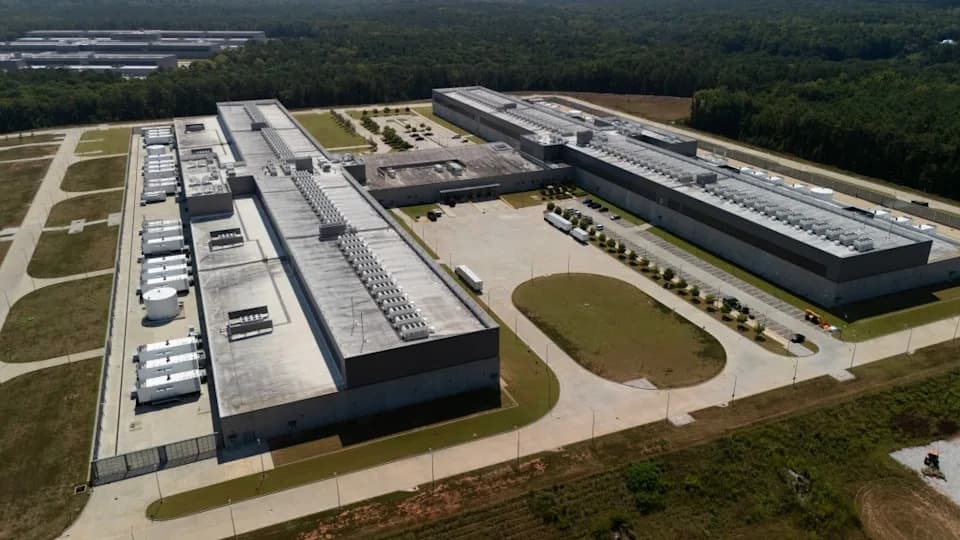
The rapid expansion of artificial intelligence infrastructure across the United States is creating a growing environmental trade-off: many new AI data centers are planning to rely on on-site, fossil-fuel power plants to meet enormous electricity demands.
What’s Happening
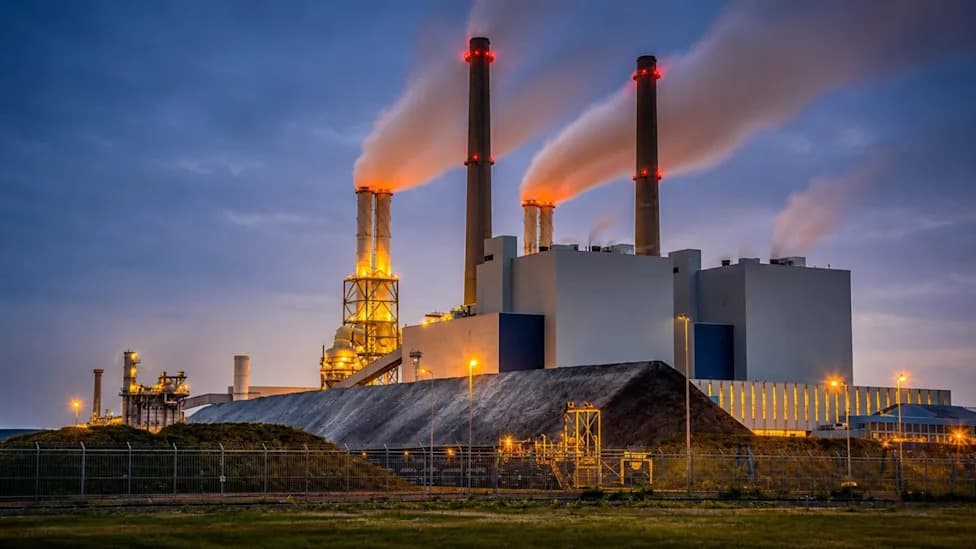
Reporting that cites The New York Times and an analysis by Futurism identifies at least 82 large natural-gas generators proposed or under development to serve U.S. data centers. These are not small emergency backups but sizable private power plants intended primarily to power individual data facilities rather than the public grid.
Scale And Risks
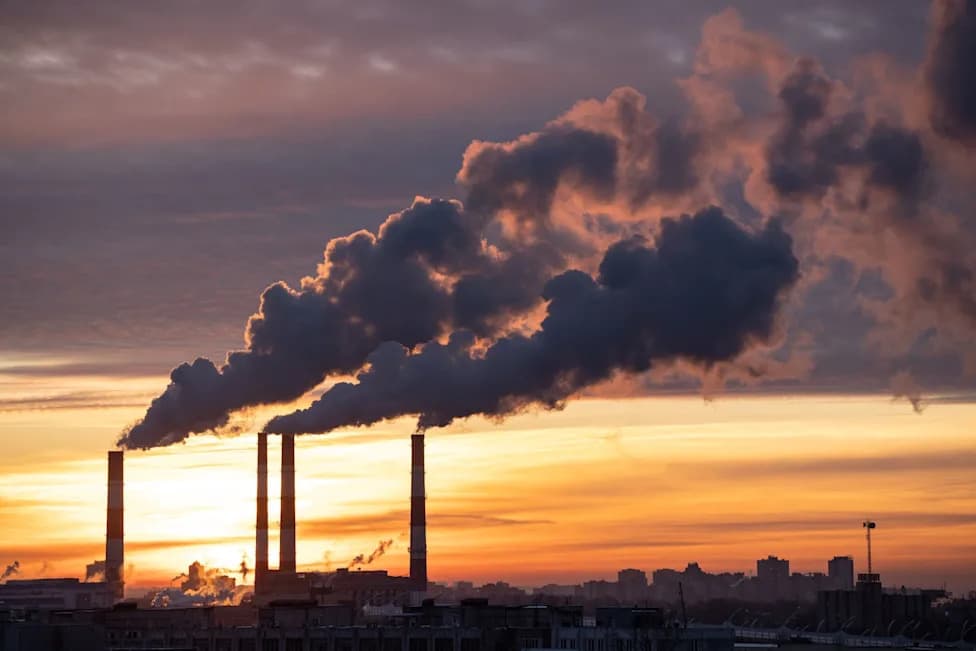
If all 82 projects are completed, their combined annual pollution could approximate the emissions produced by roughly half of U.S. passenger vehicles, the analysis found. Texas has emerged as a major concentration point for these projects, while Ohio has attracted attention for the speed of permitting: some permits have reportedly moved through in as little as 18 days, sometimes with limited public disclosure.
Companies linked to the wave of proposals include major tech firms such as Meta and xAI, reflecting how growth in AI chips and large language models is driving up electricity demand. Increased on-site gas generation can worsen local air quality, raise greenhouse-gas emissions, and add strain to communities already coping with dense industrial development and energy infrastructure.
Energy Trade-Offs
AI also offers tools to improve power systems — better load forecasting, efficiency gains, and more effective integration of wind, solar and batteries. But the technology’s own electricity and water needs, along with concerns about cybersecurity and potential rate impacts if grid upgrades are passed to consumers, complicate the picture.
Policy Options And Community Protections
Policy levers that could limit reliance on fossil-fuel generation include stronger state permitting rules, mandatory public notice, formal environmental reviews, clearer emissions reporting, and temporary moratoriums on new data center siting. These measures would give residents time and information to evaluate health, environmental, and economic impacts. At the same time, investments in renewables, storage, and grid upgrades — coupled with corporate commitments to cleaner power — can help align AI growth with decarbonization goals.
The AI build-out and the energy strategies behind it are still evolving. Whether this expansion becomes a force for cleaner, smarter grids or a driver of additional fossil-fuel pollution will depend largely on regulatory choices, corporate procurement decisions, and public oversight made now.
Sources: Futurism’s analysis citing reporting in The New York Times. Figures and timelines are reported estimates and may change as projects evolve.
Help us improve.