The Lancet Regional Health – Europe analysis of England's National Diabetes Audit finds a pronounced rise in type 2 diabetes incidence during the 2020s, with the biggest proportional increases among people aged 20–39. Overall incidence increased from 4.07 to 4.54 per 1,000 between 2011 and 2024, with a marked uptick in 2022–23. Authors cite obesity, sedentary lifestyles, expanded screening and pandemic-related disruptions as likely contributors, and call for targeted prevention and expanded screening for younger adults.
Sharp Rise In Type 2 Diabetes In England Driven By Young Adults, Study Finds
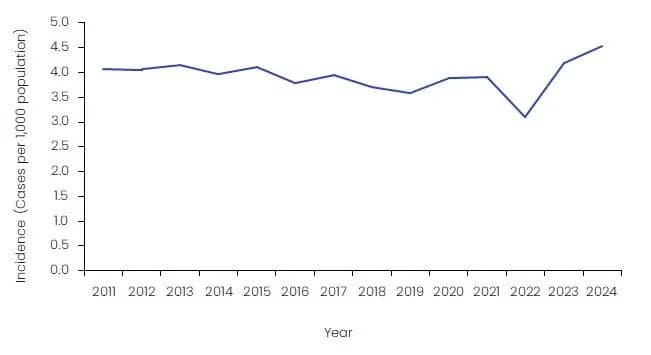
Source: GlobalData; Holman et al., 2026.
A major new analysis of England's National Diabetes Audit (NDA) records shows a worrying increase in type 2 diabetes (T2D) incidence during the 2020s, with the largest proportional rises among younger adults. The study by Naomi Holman and colleagues, published in the July 2026 issue of The Lancet Regional Health – Europe, combines data from primary care and hospital diagnostic coding for adults from 2011 through 2024 to track trends by age, sex and ethnicity.
Key Findings
The authors report that overall incidence of newly diagnosed T2D rose from 4.07 to 4.54 per 1,000 population between 2011 and 2024, and they identify a sharp acceleration in incidence between 2022 and 2023. Increases occurred across almost all age groups, with the 20–29 and 30–39 age bands showing the fastest relative rises. Notably, incidence declined in the 60–79 age group over the same period. The paper also documents rising incidence across White, Black and Asian ethnic groups.
Age-Specific Trends
The largest proportional increases were seen among younger adults: incidence in the 20–29 group rose at an average annual rate of about 2.1% for men and 3.0% for women between 2011 and 2024, with similarly rapid growth in the 30–39 cohort. These trends highlight a shift in the burden of new diagnoses toward younger age groups.
Possible Drivers
Holman et al. point to a combination of factors that likely contributed to the rise: growing prevalence of obesity and sedentary behaviours, expanded screening and case ascertainment, and a post-COVID surge that may reflect missed preventive contacts and delays in routine care during the pandemic. The authors caution that expanded testing can inflate detected incidence even as true underlying risk changes.
Projections And Implications
GlobalData epidemiologists project diagnosed prevalent T2D cases in the UK to increase from about 4.74 million in 2026 to 5.04 million by 2028. If the current rise in incidence—especially among younger adults—continues, diagnosed prevalence could exceed prior expectations and increase long-term health, social and economic burdens.
Recommendations
The study calls for intensifying prevention and early-detection efforts that are tailored by age and sex. Priority actions include:
- Targeted prevention for young adults focused on obesity prevention, physical activity and healthier diets.
- Expanded screening for pre-diabetes among younger at-risk groups to enable early lifestyle or clinical interventions.
- Strengthened primary care and preventive services to recover and sustain interventions disrupted during the pandemic.
- Ongoing, detailed surveillance to monitor trends, identify high-risk subgroups, and evaluate the impact of policies.
Holman and colleagues stress that early intervention is critical: preventing or delaying T2D onset in younger adults reduces cumulative lifetime risk of complications and associated mortality. Policymakers and public health authorities should use these findings to sharpen prevention campaigns and prioritize resources for high-impact, age-targeted interventions.
Source: Holman et al., 2026; GlobalData.
Help us improve.