Ed Miliband's role as Foreign Secretary has sharpened focus on Labour's China policy. Recent reports — from allegations of a former adviser suspected of spying to claims of Chinese-linked donations and a reported Royal Navy drone data leak — have raised national security and influence concerns. The Strategic Defence Review calls China a "sophisticated and persistent challenge," while Labour faces the task of balancing economic engagement with safeguarding security and allied relations.
Labour’s China Dilemma: Why Ed Miliband’s Role Intensifies Scrutiny
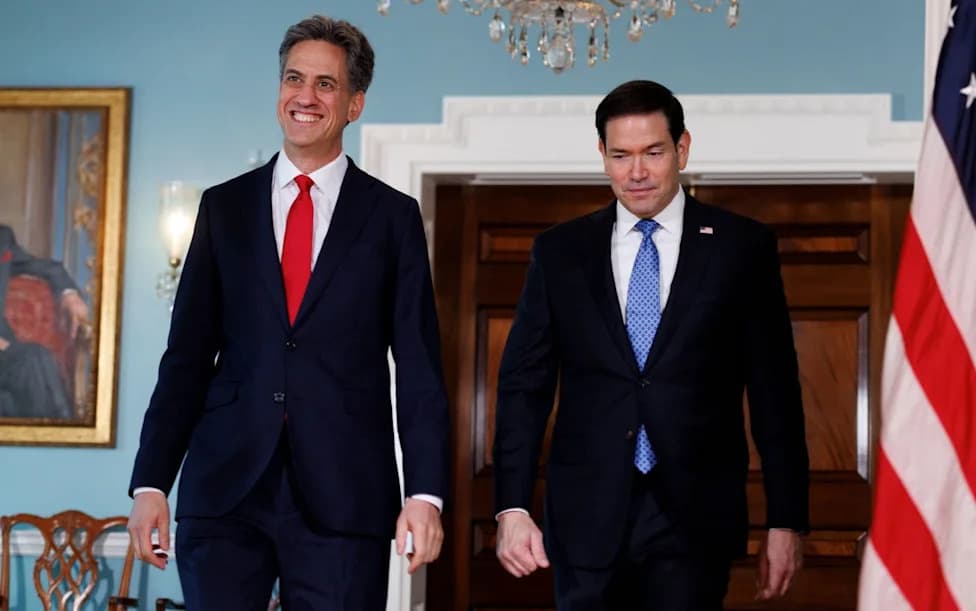
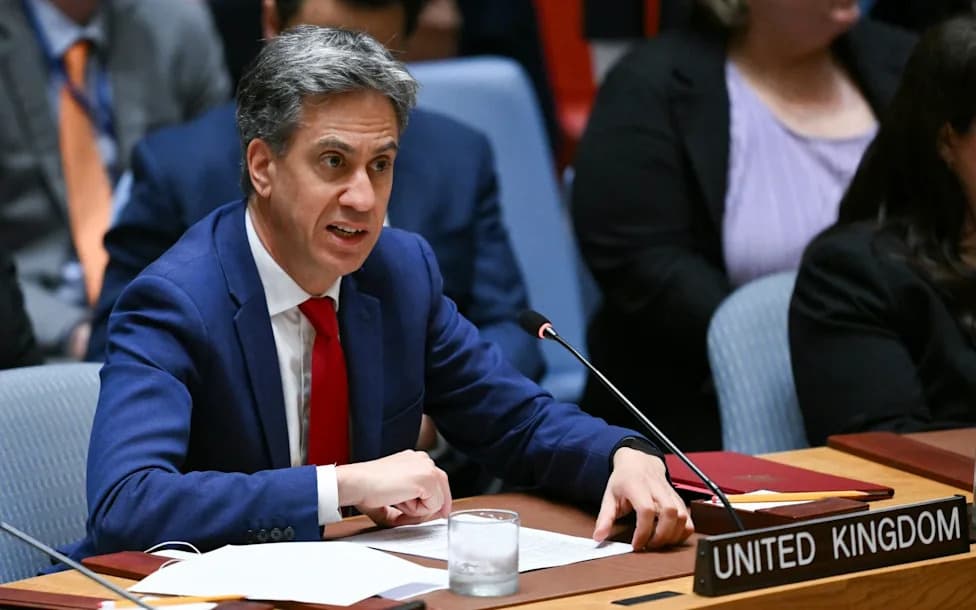
Ed Miliband received a cool reception during his visit to Washington, when met US Secretary of State Marco Rubio - Shutterstock Editorial
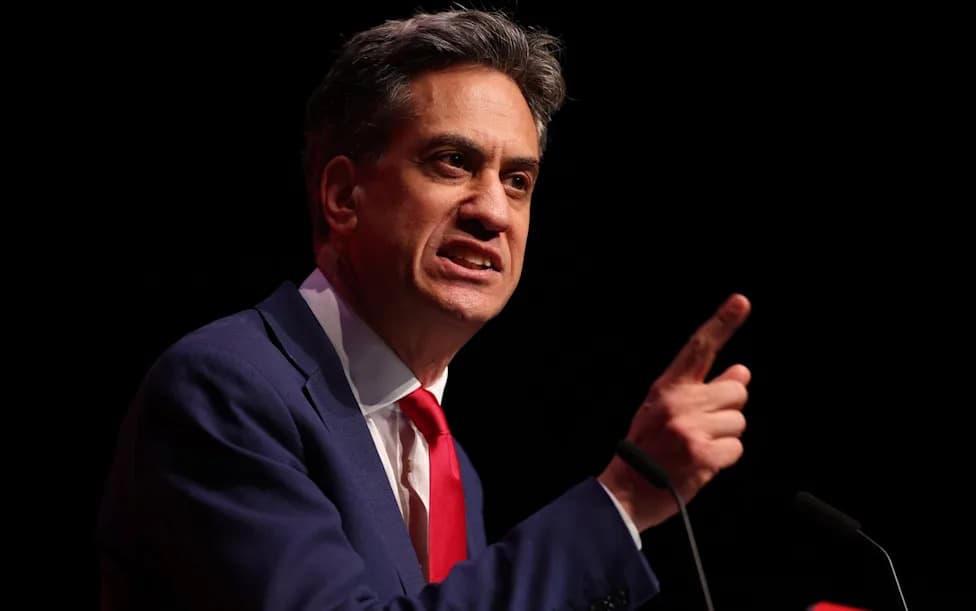
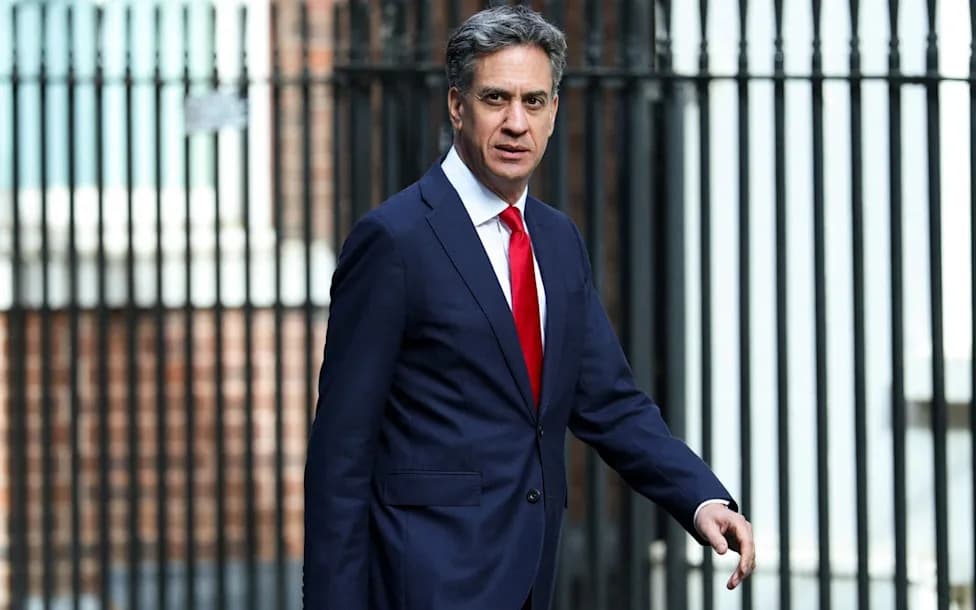
Ed Miliband's appointment to the Foreign Office has intensified scrutiny of Labour's approach to China, amid a string of reports that raise questions about influence, security and the balance between economic engagement and national defence.
Recent Reports and Allegations
Recent disclosures include reporting that a former Labour adviser, alleged to have been suspected of spying for China, also had elite party access as a donor. Other accounts have highlighted controversial links between senior Labour figures and people with ties to Chinese state media or officialdom — for example, reports concerning Lord O'Neill's contacts with a former Xinhua employee.
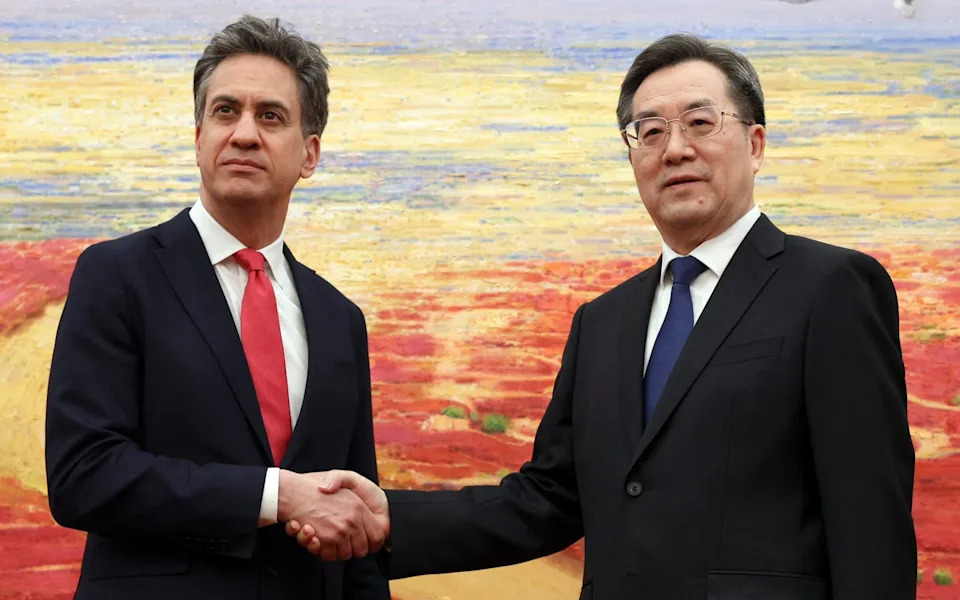
As energy secretary Ed Miliband met China's vice premier Ding Xuexiang in Beijing last year - AFP
Official Position and Political Tensions
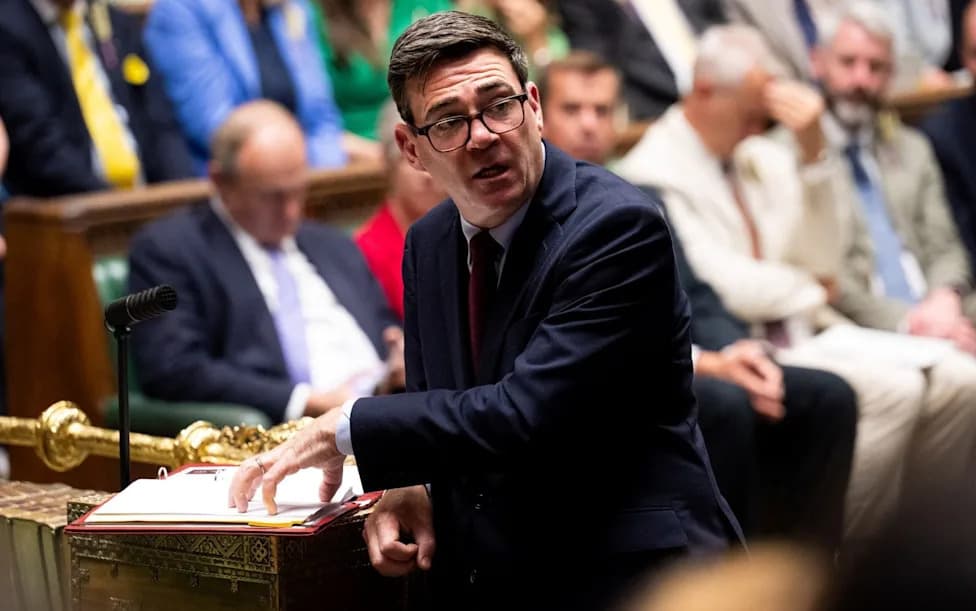
The government's Strategic Defence Review describes China as a "sophisticated and persistent challenge." Yet some observers worry the new Labour-led administration under Andy Burnham could prioritise closer economic ties with Beijing, potentially creating friction with allies — notably the United States, which in recent years has taken a more confrontational stance toward Chinese influence and technology.
Transatlantic Friction
During Miliband's visit to Washington, his emphasis on maintaining trade and cooperation with China reportedly contrasted with the U.S. approach of treating some Chinese economic activity as a national security threat. Washington has debated fresh restrictions on Chinese technology, and those tensions are part of wider transatlantic concerns about supply chains, critical infrastructure and intelligence risks.

The cameras on the K3 Scout drones had components made in China which were transmitting to a device in the country
Security Concerns
Security agencies and journalists have drawn attention to several episodes that illustrate the risks of deepening technological dependence. MI5 reportedly issued an interference alert after donations to MP Barry Gardiner were linked to a woman later described in press accounts as having possible ties to Chinese intelligence; Gardiner has said he liaised with security services and declared the donations. Separately, reporting has claimed that components on Royal Navy K3 Scout drone cameras were manufactured in China and were sending data to a device abroad, a case often cited as an example of how foreign-made parts can create vulnerabilities.
Labour’s Internal Context
Concerns about links between Labour figures and China are not new. Past episodes cited in reporting include claims that Lord Mandelson's proposed diplomatic posting faced vetting difficulties because of contacts with Chinese officials, and the 2015 sting that led to Jack Straw's suspension from the Parliamentary Labour Party after discussions with a fictitious Chinese firm.
Questions For Policy
Critics argue that Miliband's emphasis on green cooperation and trade risks downplaying national security implications. Supporters counter that engagement on areas such as clean energy can deliver economic and climate benefits. The core policy challenge for Labour is to define a clear strategy that protects national security while pursuing legitimate economic opportunities with China.
Note: This article synthesises reporting and public statements. Many of the points below are reported or alleged in press coverage and official briefings; where relevant, the language retains qualifiers such as "reported" or "alleged" to reflect that not all accusations have been confirmed in public records.
Help us improve.