The WHO warns the 2026 Ebola outbreak in the Democratic Republic of Congo could become the deadliest on record, with at least 4,300 cases and more than 2,000 deaths since it was declared on 15 May. Caused by the rare Bundibugyo strain, the outbreak likely began in February and was initially misdiagnosed, delaying the response. Instability in eastern DRC limits access — health teams reach only about 30% of cases — and there is no licensed vaccine or therapeutic specifically for this strain. The MHRA has authorised first-in-human Oxford-led vaccine trials and WHO is sponsoring antiviral trials in the DRC.
WHO Warns DRC Ebola Outbreak Could Become Deadliest on Record
[EPA]
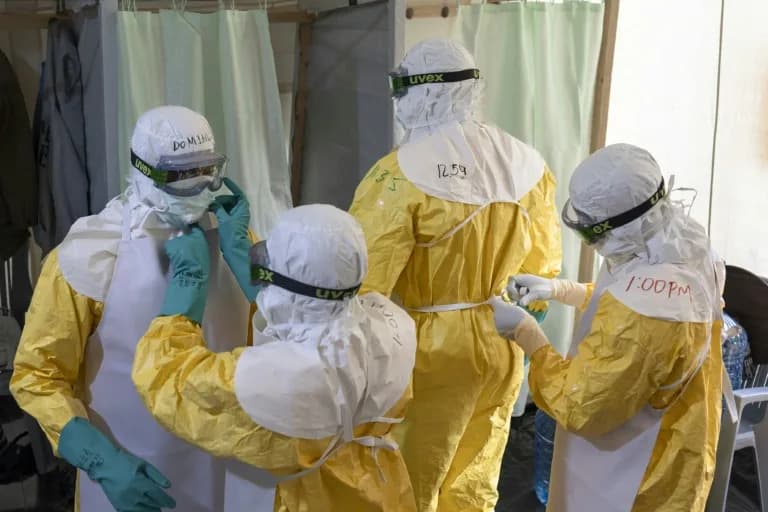
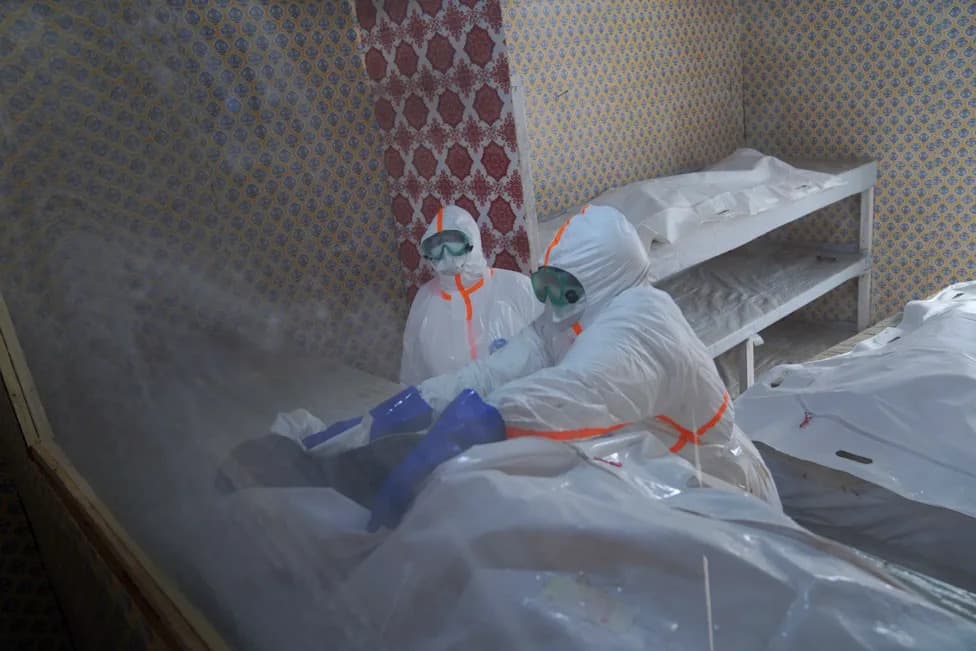
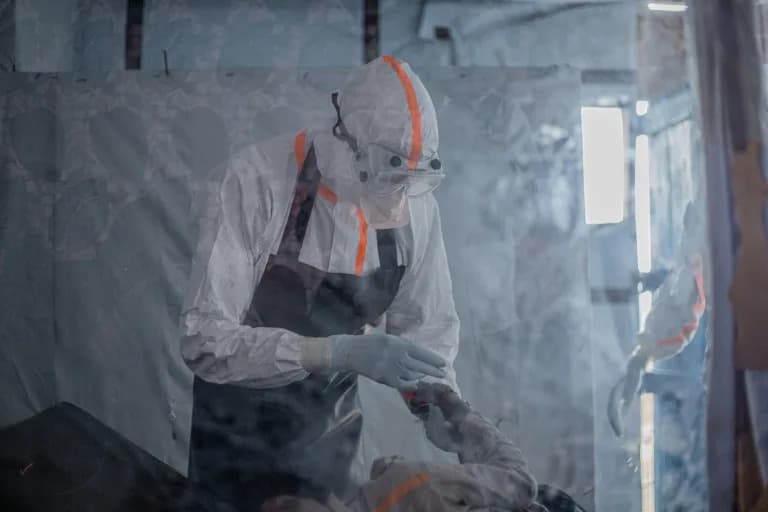
The World Health Organization has warned that the 2026 Ebola outbreak in the Democratic Republic of Congo (DRC) is on track to become the deadliest recorded if transmission continues at its current pace.
Latest Situation
Declared on 15 May, the outbreak has recorded at least 4,300 confirmed cases and more than 2,000 deaths. WHO Director-General Tedros Adhanom Ghebreyesus said the outbreak "at its current pace" could "eclipse" the 2014–2016 epidemic, which killed at least 11,000 people.
"We are chasing the virus, the virus is ahead of us," WHO Africa Director Dr Mohamed Janabi said in Bunia.
Research suggests the virus began spreading in February and was frequently misdiagnosed as malaria or typhoid, delaying detection and response.
Virus Strain and Operational Challenges
This outbreak is caused by the uncommon Bundibugyo species of Ebola, previously implicated in only two known outbreaks (2007 and 2012). There is currently no licensed vaccine or recognised therapeutic specifically authorised for this strain, which complicates clinical care and prevention efforts.
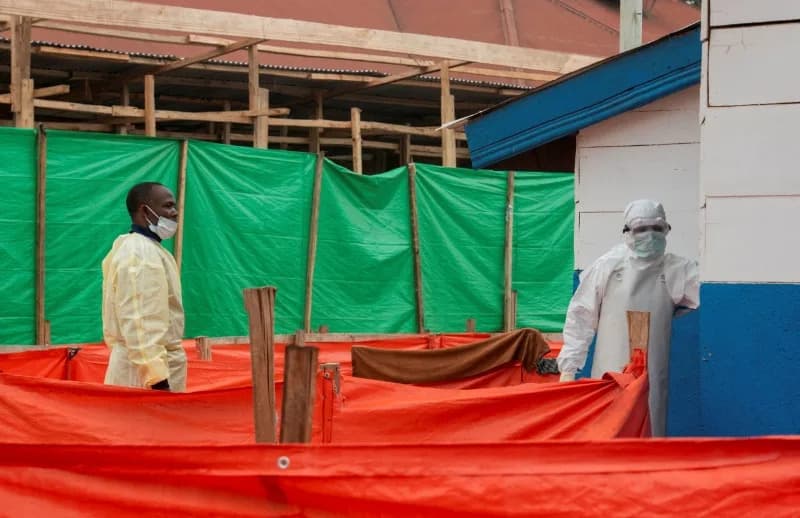
Persistent instability and insecurity in eastern DRC have limited access for health teams. WHO officials estimate that responders are able to reach roughly 30% of cases, undermining contact tracing, case isolation and vaccination or treatment campaigns.
Research and Response
The UK Medicines and Healthcare products Regulatory Agency (MHRA) has authorised first-in-human trials of a Bundibugyo vaccine candidate developed by a team at the University of Oxford using the same platform as the Oxford–AstraZeneca COVID vaccine. Three other research groups are developing candidates that have not yet entered clinical testing.
Separately, WHO is sponsoring a clinical trial in the DRC to evaluate whether two existing antiviral therapies can improve survival. WHO officials say they aim to reverse transmission trends within three months by bringing spread under control, but stress that achieving control is distinct from declaring an immediate end to the outbreak.
What the Public Should Know
- Ebola symptoms typically appear 2–21 days after exposure and can begin with fever, headache and extreme fatigue, progressing to vomiting, diarrhoea and sometimes organ failure.
- The virus spreads through direct contact with infected bodily fluids, such as blood or vomit, from symptomatic individuals.
- Prompt medical attention, community cooperation, and safe infection-control practices are critical to containing transmission.
Health authorities continue to scale up surveillance, clinical trials and community engagement. The situation remains fluid; officials urge vigilance and support for containment and research efforts.
Help us improve.