The Adelboden-Lenk ski area in Switzerland is exploring using its snowmaking infrastructure — including reservoirs, pumps and buried pipes that feed 210 snow cannons and 50 lances — to help fight summer wildfires. The system could supply water, refill helicopter tanks and create damp buffer zones to slow flames and buy time for emergency crews. Officials warn the measure is a useful local tool but not a long-term solution to climate-driven increases in wildfire risk. Authorities say drought has raised wildfire risk across much of Switzerland.
Swiss Ski Resort Plans To Reuse Snowmaking Network To Help Fight Summer Wildfires
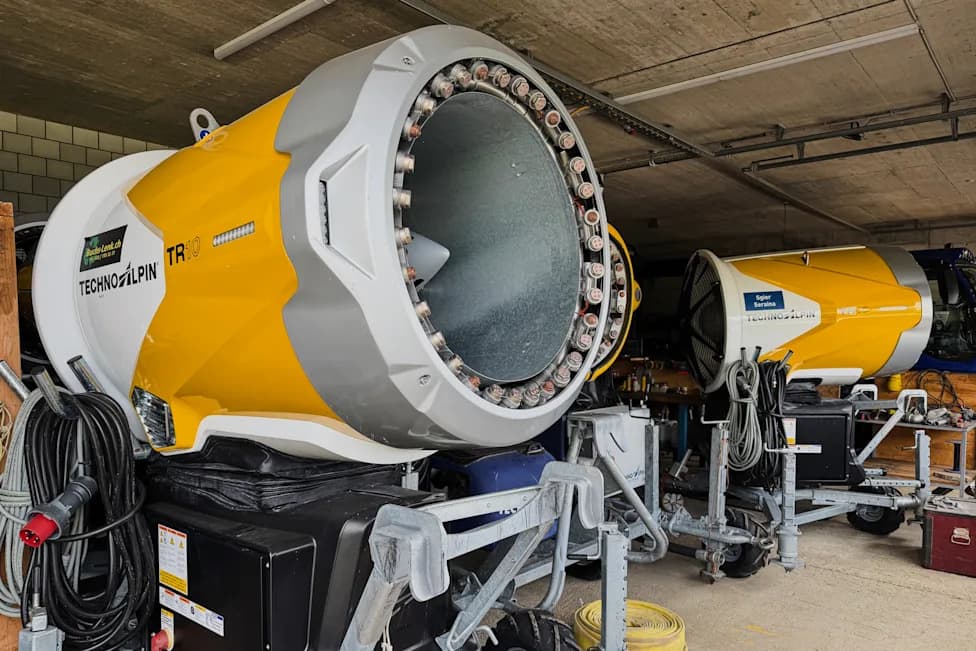
Snow cannons are stored during the summer months at the Adelboden-Lenk ski resort facility in the Lenk valley, Switzerland, Monday, Aug. 3, 2026. (AP Photo/Hernan Munoz)(AP Photo/Hernan Munoz)
ADELBODEN, Switzerland — Under the high August sun, the slopes above Adelboden are almost snowless, but the resort’s extensive snowmaking infrastructure could find a new role this summer: helping to fight forest fires.
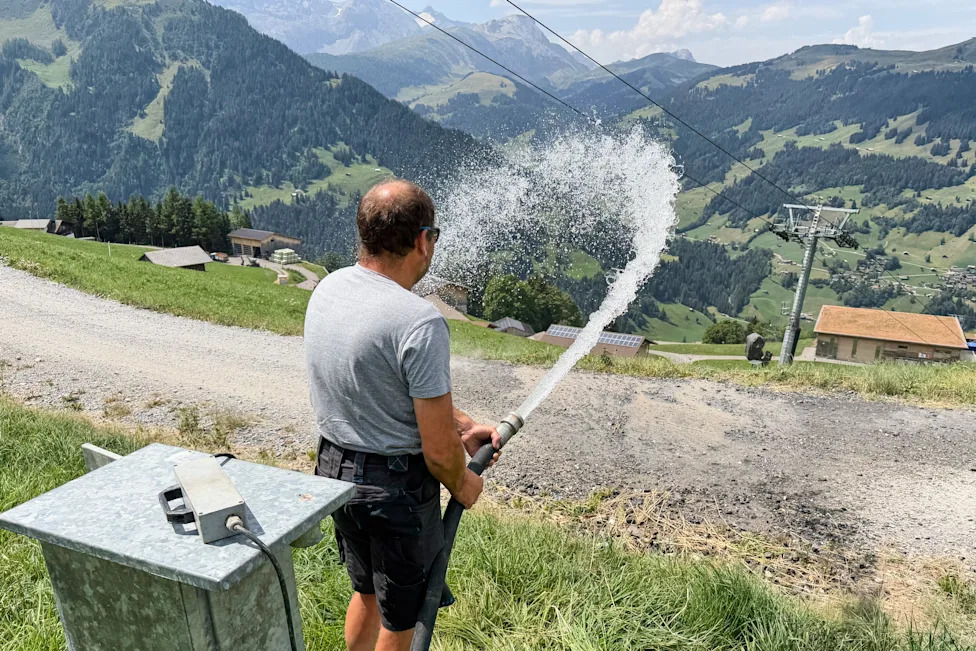
Juerg Klopfenstein, responsible for snowmaking operations at Adelboden-Lenk ski Resort, waters a road alongside ski slopes in Lenk valley near Adelboden, Switzerland, Monday, Aug. 3, 2026. (AP Photo/Hernan Munoz)(AP Photo/Hernan Munoz)
From Ski Slopes To Fire Lines
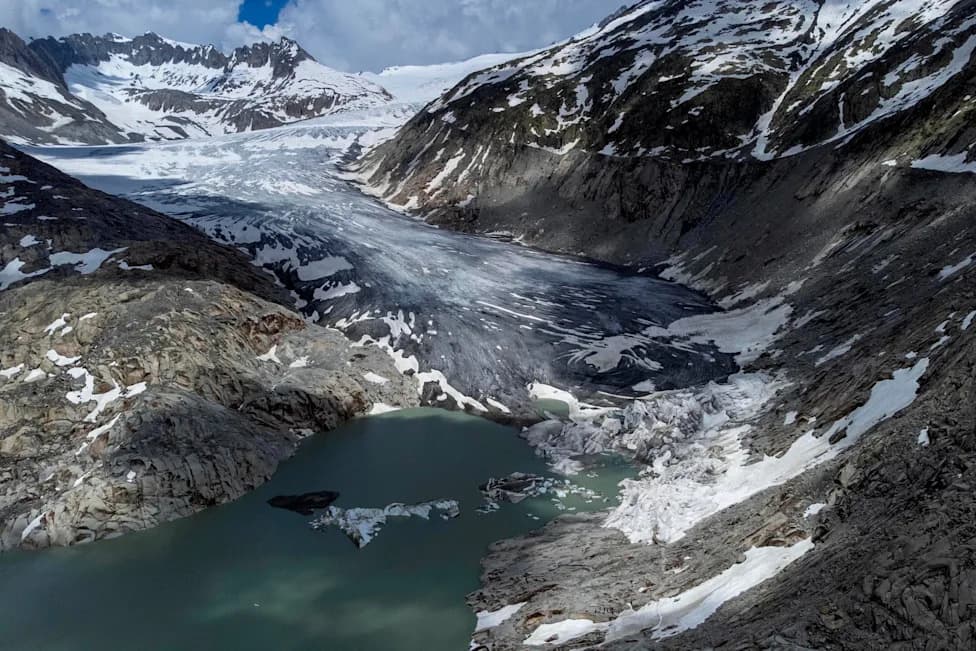
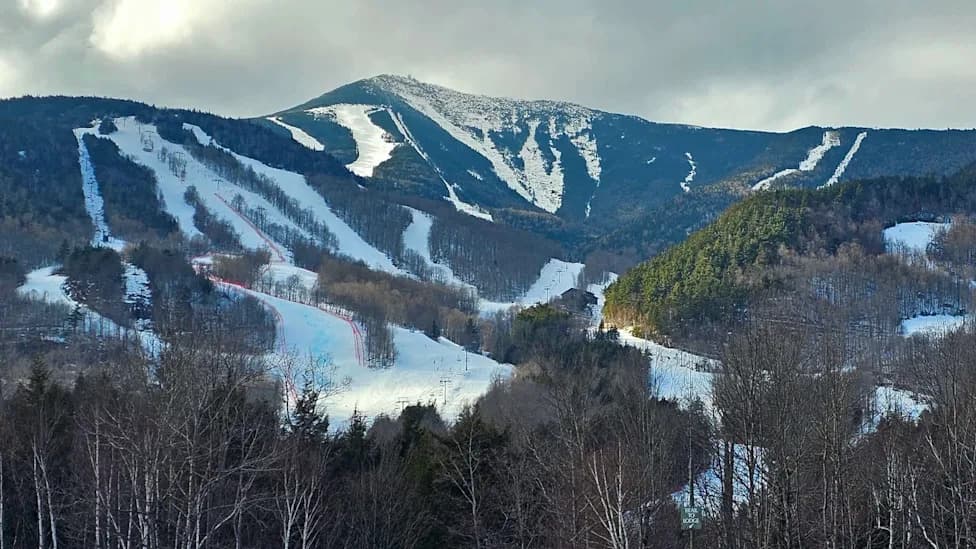
Glaciers across Switzerland and the Alps have been retreating rapidly in recent years, changes largely attributed to human-driven climate change. Snowfall has become less frequent and less predictable, posing a major challenge for mid-altitude ski areas such as the Adelboden-Lenk region, which covers roughly 200 kilometers (125 miles) of pistes between 1,000 and 2,300 meters (3,280 and 7,545 feet).
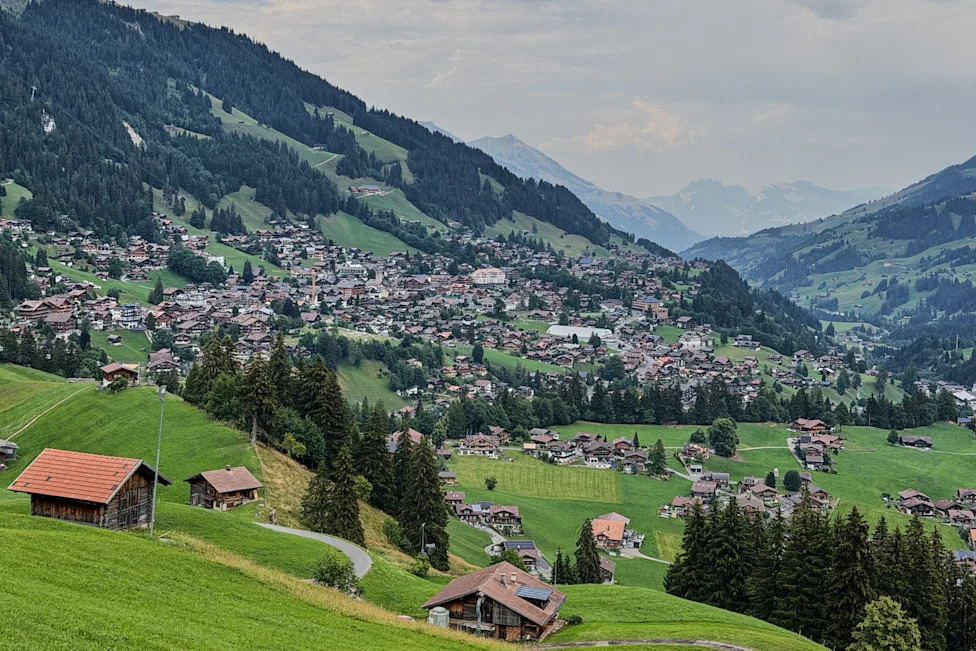
A general view of the Adelboden village at the Adelboden valley, Switzerland, Monday, Aug. 3, 2026. (AP Photo/Hernan Munoz)(AP Photo/Hernan Munoz)
Today, the resort estimates that about 70% of the snow on its slopes is produced artificially. While snow cannons and lances are the visible parts of that system, much of the network lies out of sight: dozens of kilometres of buried water pipes, pumps and storage reservoirs.
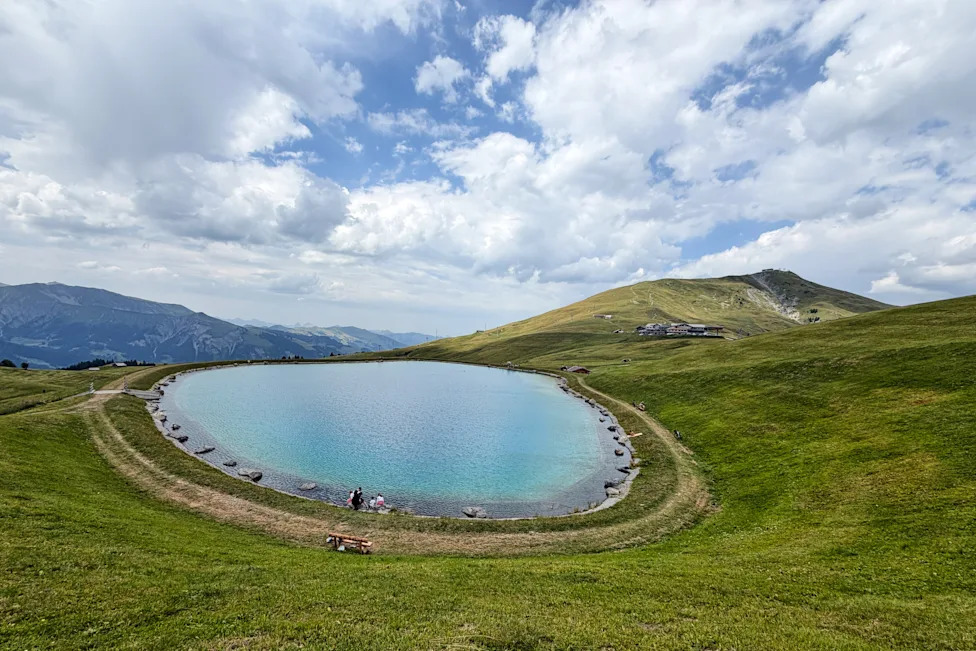
A water reservoirs for snowmaking photographed at the Lenk valley near Adelboden, Switzerland, Monday, Aug. 3, 2026. (AP Photo/Hernan Munoz)(AP Photo/Hernan Munoz)
How The System Could Help
The resort's buried pipes and reservoirs collect rainfall and meltwater in summer and feed 210 snow cannons and 50 snow lances in winter. Resort managers say those same pipes and reservoirs could be repurposed in an emergency to supply water for firefighting crews, refill helicopter tanks, and create damp buffer zones to slow advancing flames until emergency services arrive.
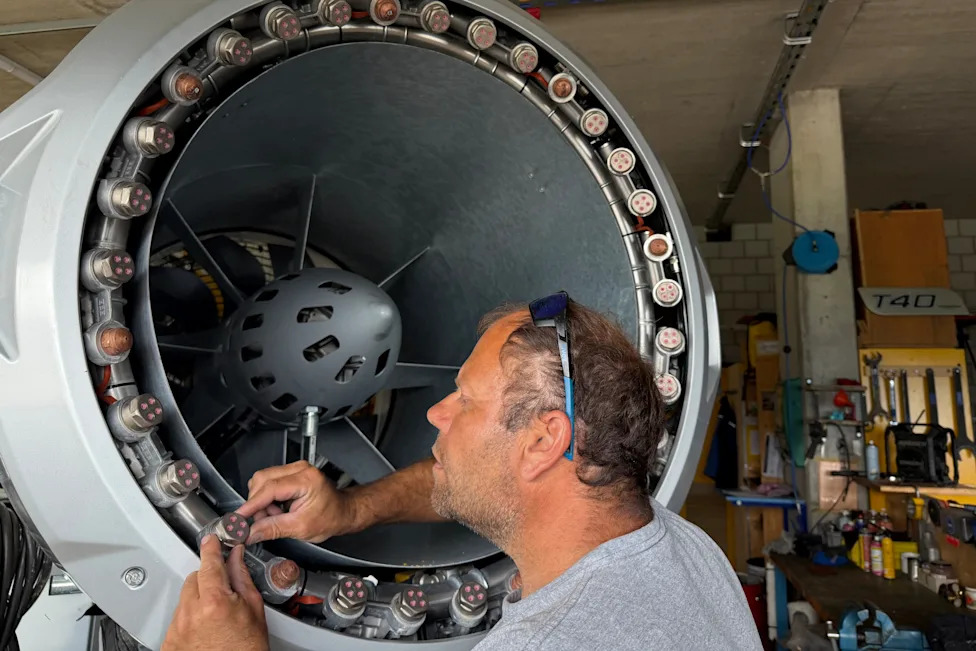
Juerg Klopfenstein, responsible for snowmaking operations at Adelboden-Lenk, inspects a stored snow cannon at a facility near Adelboden, Switzerland, Monday, Aug. 3, 2026. (AP Photo/Hernan Munoz)(AP Photo/Hernan Munoz)
"We can help firefighters with our infrastructure," said Jürg Klopfenstein, who oversees the resort's snowmaking operations. "Not primarily with our snow cannons, which can mainly be used to water the fields or aim them at surrounding infrastructure. But firefighters can use our infrastructure, and helicopters can refill their tanks using our water reservoirs."
Adelboden-Lenk's system is not a panacea: it depends on stored water and the capacity of pumps and pipes, and most parts of Switzerland do not have comparable buried networks to tap in an emergency. Still, officials say the local infrastructure could buy valuable time in a fast-moving wildfire.
Local Risk And Precautions
So far this year Switzerland has avoided the large-scale blazes seen in parts of its neighbours, but drought conditions are widespread and authorities rate wildfire risk as high across much of the country, including the canton of Bern where Adelboden lies. The Bernese Oberland also draws hikers, mountain bikers and paragliders in summer, increasing human presence on the landscape.
"Widespread wildfires are a likely scenario," said Stefan Buchs, operations manager at the Adelboden-Lenk resort. "We discussed this with the firefighters, and they recognized it already. They see that humidity is a real problem. It gets really dry even in the spring. Not just in the summer."
Adelboden Mayor Willy Schranz added: "We must be prepared, because I am sure it won't be the last summer like this one."
"This watering system that they're planning in Adelboden might for sure help for a while," cautioned Nathan Solothurnmann, a climate change expert with Greenpeace. "But of course the changes we're facing are much worse. All those types of adaptations just help for a while."
While local adaptations such as repurposing snowmaking systems can reduce immediate risk, experts stress they are temporary measures and do not replace broader climate mitigation and landscape-level fire management strategies.
Help us improve.