Elon Musk plans a 100 million‑square‑foot semiconductor complex called Terafab in Grimes County, Texas. The proposal—expected to include natural gas power plants and AI facilities—would supply chips for Tesla and Optimus and is projected to create about 3,000 jobs. Local residents formed the Grimes County Citizens for Responsible Development to demand transparency and enforceable protections for water, roads and emergency services as land clearing begins and debates over oversight intensify.
Elon Musk’s Terafab: Plan for a 100M Sq Ft Chip Factory in Rural Texas Sparks Local Backlash

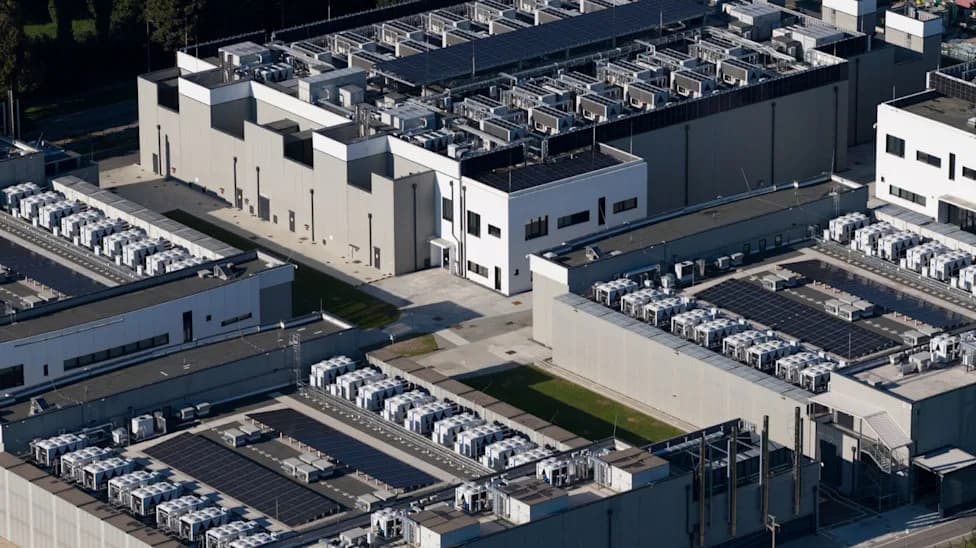
The Terafab factory (seen in a rendering) would supply chips for Elon Musk's self-driving cars and Optimus robots. (Terafab)
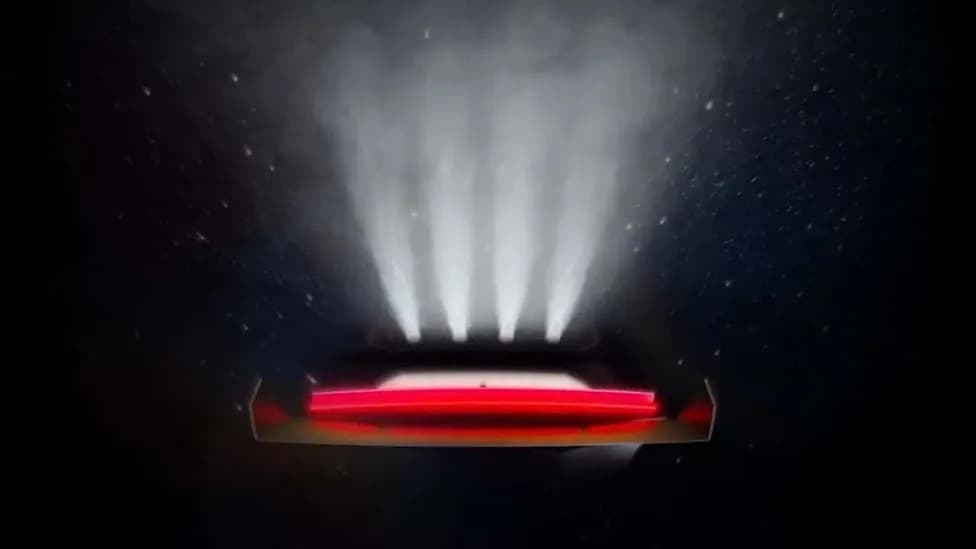
Elon Musk has unveiled plans for Terafab, a proposed 100 million–square‑foot semiconductor fabrication complex in Grimes County, Texas, that he describes as "a chip factory built for Earth and orbit." If built as announced, Musk says it would be "the largest and most valuable building on Earth by far." The proposal has prompted growing concern among local residents about environmental, infrastructure and quality‑of‑life impacts.
What Terafab Would Include
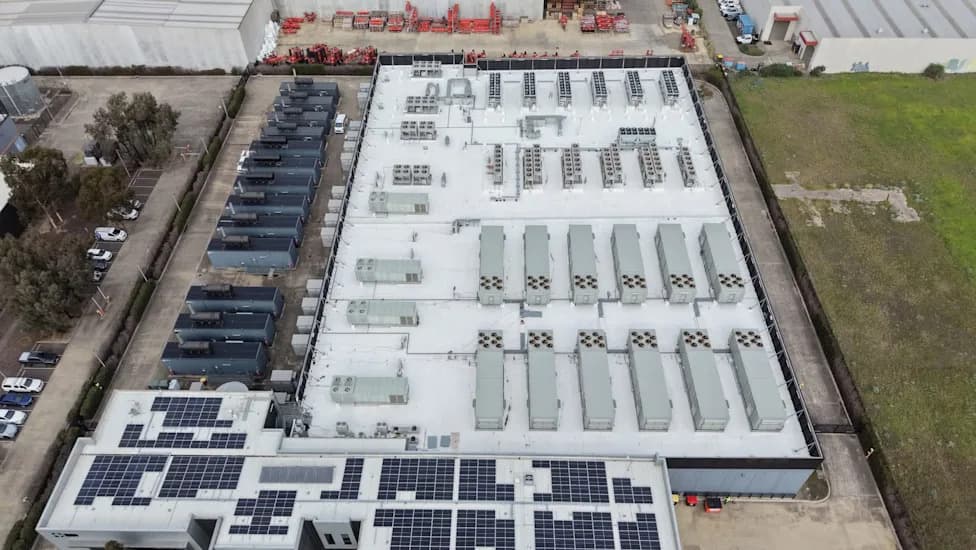
According to a tax‑abatement agreement filed with Grimes County, the Terafab campus would produce chips intended for Tesla’s self‑driving vehicles and Musk’s Optimus robots. The proposal also references on‑site natural gas–fired power plants and artificial‑intelligence facilities to support manufacturing operations.
Size, Jobs and State Reaction
Musk promoted the plan on X, describing the 100 million–square‑foot site as roughly equivalent to about 2,300 football fields. Texas Governor Greg Abbott praised the project as a major investment for the state and highlighted an estimated 3,000 jobs for Grimes County. In the same week, Abbott also paused approvals for new data centers statewide and ordered an audit of their impact on the Texas power grid.
Local Opposition and Demands
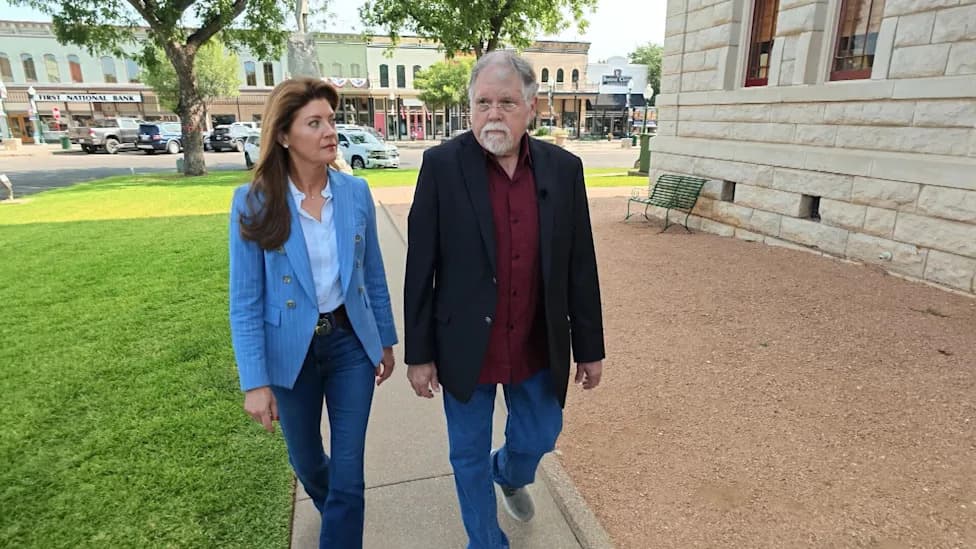
Residents of Grimes County — population roughly 30,000 and located about 100 miles east of Austin and 70 miles northwest of Houston — formed the Grimes County Citizens for Responsible Development (GCCRD) to press for transparency, stronger legal representation and enforceable protections if large projects proceed.
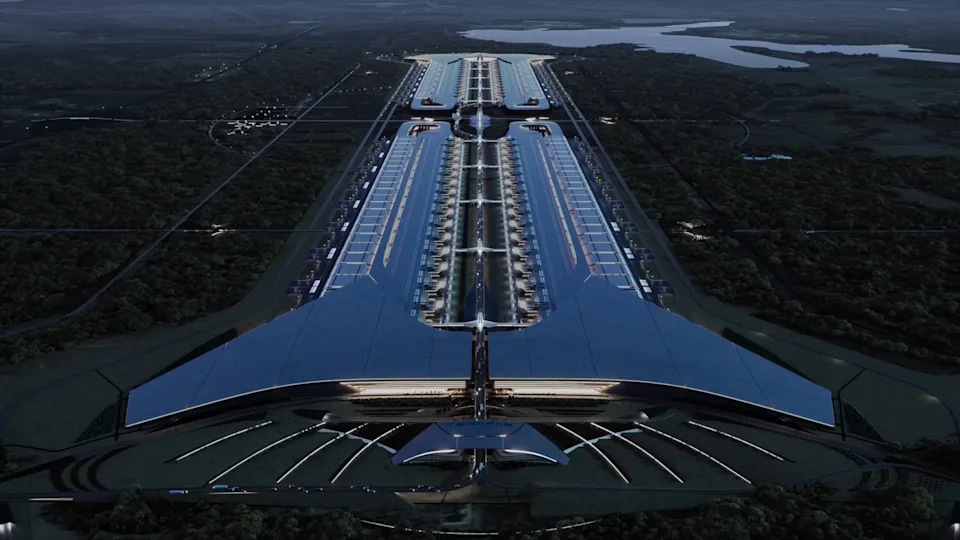
Musk touted his plan to build the 100 million-square-foot facility on X earlier this month, calling it "the largest and most valuable building on Earth by far." (Terafab)
“We’re not going to stop it. But maybe we can minimize the negative impact,” says Marie Egyed, who leads GCCRD. “We want absolute, measurable protections for our water, EMS and roads, and for the county to have adequate legal representation when negotiating with big companies.”
Concerns From Neighbors
Concerns raised by residents include potential strain on water resources, road damage from heavy construction traffic, overload on emergency services, higher local costs of living, and broader changes to the rural character of the community (RV parks, temporary worker housing, new gas stations and increased traffic).
“We were building what we thought was our forever house,” says local resident Danny Cross, whose 31‑acre property borders the proposed site. “Money doesn’t replace that — those memories.”
Context: Musk’s Texas Footprint
Musk already has major operations in Texas: SpaceX’s Boca Chica test site, Tesla’s corporate presence in Austin (often called Giga), and The Boring Company in Bastrop. Those projects have also produced disputes — Boca Chica neighbors have sued SpaceX over alleged damage from launches, and environmental groups have challenged federal approvals tied to the site.
What Happens Next
Some land‑clearing work has reportedly begun, prompting neighbors to make difficult decisions about staying or selling. GCCRD has introduced a 12‑point initiative calling for "absolute, measurable protections" that the county should require of any large-scale data center or related infrastructure. As negotiations and permitting move forward, residents are seeking a stronger voice and clearer safeguards.
Bottom line: Terafab would be a project of unprecedented scale for rural Grimes County. It promises significant economic benefits, but residents and local advocates are pushing for legally enforceable protections to limit environmental and social impacts.
Help us improve.