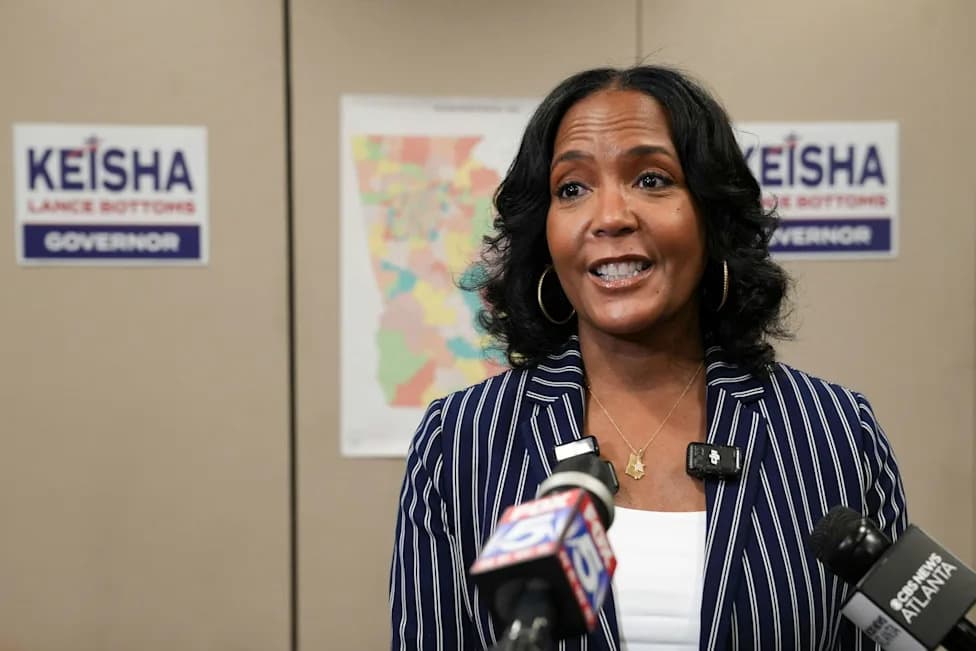
David Crowley’s narrow primary victory over Francisca Hong may have outsized consequences for Wisconsin Democrats. Strategists say his appeal in suburbs and in constraining rural GOP margins better aligns with districts the party needs to flip to win a legislative trifecta and potentially redraw congressional maps. Unified state government would enable progressive policy changes and reduce the risk of election subversion by MAGA officials.
How Crowley’s 0.5‑Point Win Could Reshape Wisconsin Politics — And Thwart MAGA Plans
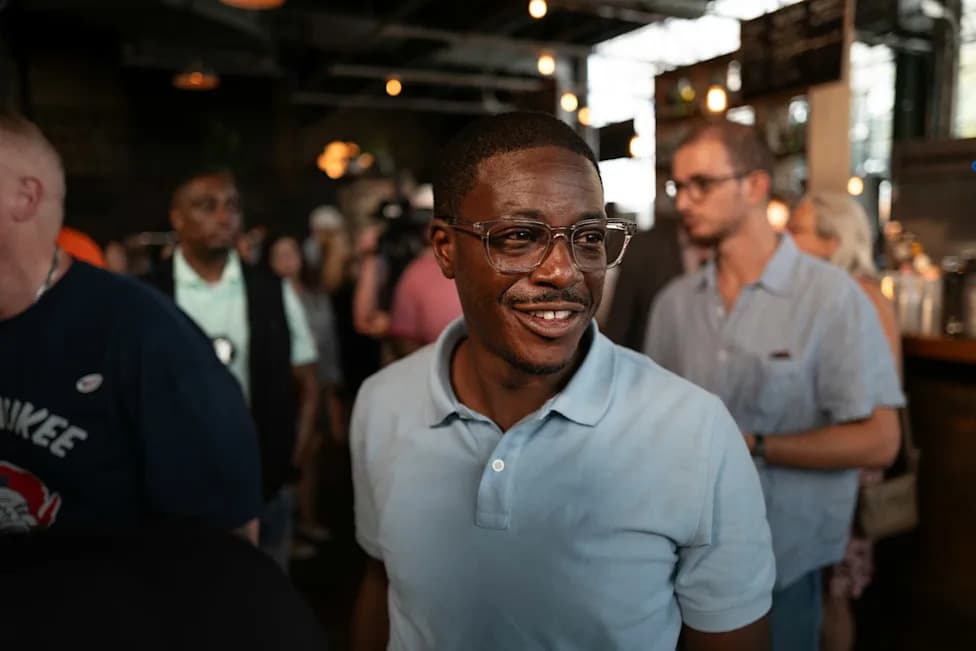
Stunning Wisconsin Outcome Hands Dems a Surprise Weapon Against MAGA
Ben Wikler, who rebuilt the Wisconsin Democratic Party as chair from 2019 to 2025, often likens American elections to an "electric grid": local outcomes are interconnected in ways that aren’t always visible, and a small change in one place can cause ripple effects elsewhere. That metaphor helps explain why David Crowley’s razor‑thin primary victory over democratic socialist Francisca Hong matters.
Crowley, the Democratic establishment’s choice, defeated Hong by roughly half a percentage point — a wafer‑thin margin that nevertheless could produce outsized downstream consequences for the party’s ability to blunt MAGA‑aligned tactics in 2028 and to influence future redistricting fights.
Down‑Ballot Stakes
At the most immediate level, Crowley as the nominee likely improves Democrats’ chances of reclaiming the Wisconsin governorship next year from incumbent Democrat Tony Evers. Republicans spent millions to boost Hong because they believed she would be an easier general‑election target; Crowley’s emergence reverses that calculus and, strategists argue, should help down‑ballot Democrats.
This year Democrats are targeting 14 GOP‑held legislative seats — 10 in the State Assembly and four in the State Senate — which they say would have been harder to flip with Hong atop the ticket. Veteran Democratic strategist Joe Zepecki told me, "Crowley’s path to victory runs through suburban Wisconsin and through holding down Republican margins in rural communities. That overlaps with exactly where Democrats need to win state legislative seats to get the trifecta next year." By contrast, Zepecki said Hong’s strengths — boosting youth turnout in urban centers and on college campuses — would not have mapped onto the most contestable districts this cycle.
Why Unified Government Matters
A Democratic trifecta in Wisconsin is no easy feat: Republicans currently hold a three‑seat advantage in the State Senate and a nine‑seat edge in the Assembly. But with former President Donald Trump’s approval in the state hovering around 40 percent, a favorable cycle for Democrats remains plausible, and the number of retiring Republican state legislators signals GOP concern.
Should Democrats win unified control, they could pursue progressive priorities blocked since 2011 — ending the state’s right‑to‑work rules, restoring collective bargaining for public employees, raising the minimum wage, legalizing cannabis, and more. Those measures have had "zero chance of passing since 2011," Zepecki said, after Scott Walker’s administration shifted the state rightward.
Election Administration And The 2028 Risk
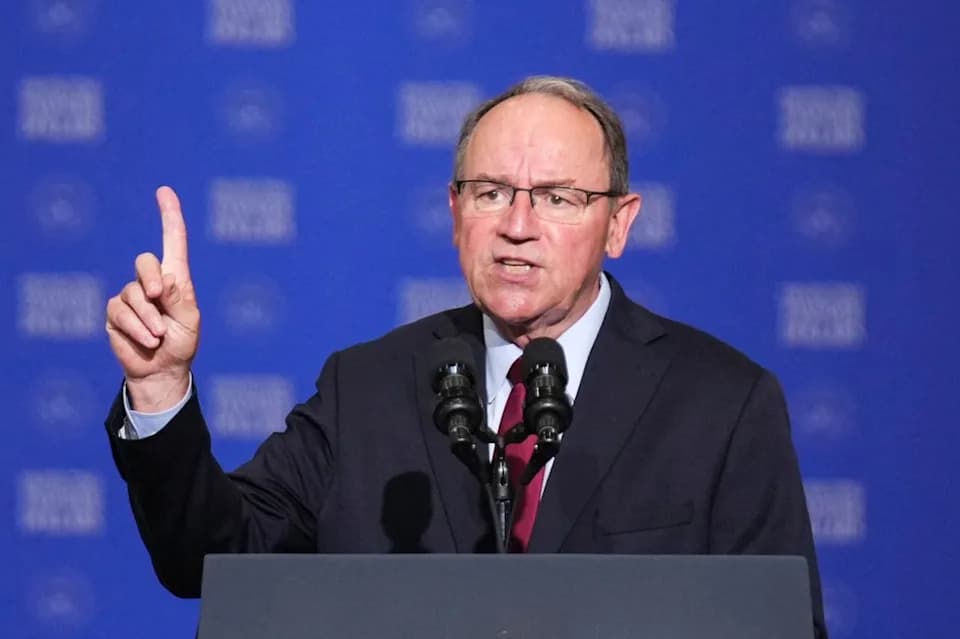
Another urgent reason the governorship matters is elections administration. The likely GOP gubernatorial nominee, Representative Tom Tiffany, is an election denier who voted against certifying the 2020 electors. With a MAGA governor and legislature aligned, there would be greater risk of actions that could disrupt future presidential vote counts; winning the governor’s office — and especially both legislative chambers — would reduce that threat.
Redistricting And Congressional Impact
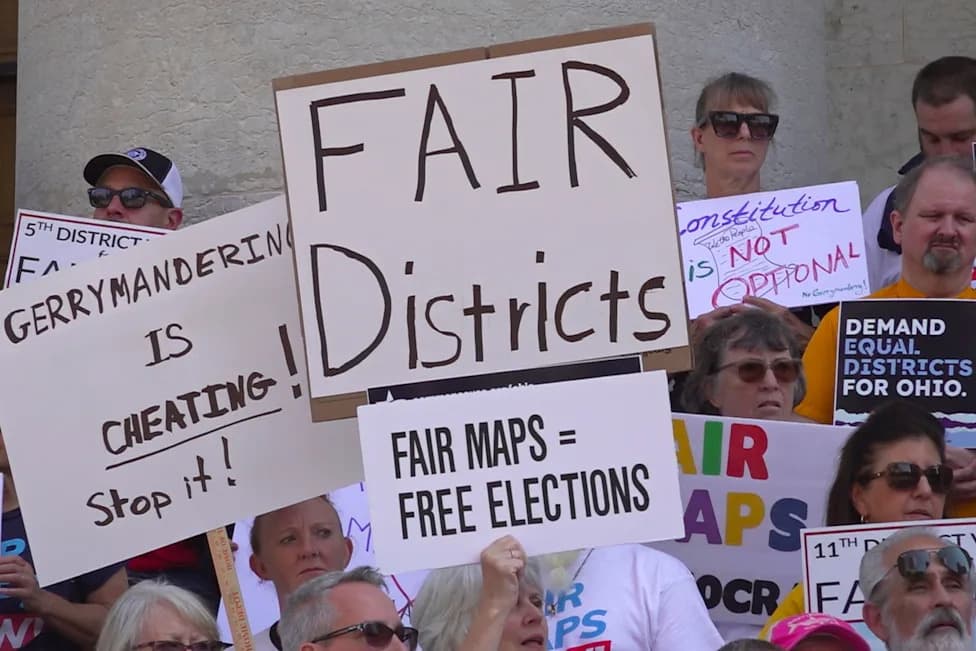
Wisconsin’s congressional map remains heavily gerrymandered: Republicans now hold six of the state’s eight U.S. House seats despite the state’s close statewide margins in recent elections. That gerrymander presents an opening if Democrats can flip the legislature and control map‑drawing. A Fair Fight Action analysis suggests Democrats could potentially gain up to three additional House seats if they manage redistricting and hold power through the next decade.
The timeline is uncertain — the state constitution may preclude an immediate midcycle redistricting — but a sustained Democratic trifecta through 2031 could enable map changes that shape representation for the next decade. As Fair Fight Action’s Max Flugrath put it, "Flipping the Wisconsin legislature is critical to countering the GOP's war on fair representation."
Practical Ripples In Individual Races
The primary result may also affect key congressional contests. In Wisconsin’s 3rd Congressional District, the party’s preferred candidate, Rebecca Cooke, just won her primary. A person familiar with internal Democratic polling said Crowley’s nomination increases Cooke’s chances of competing with MAGA incumbent Derrick Van Orden among male independents — a demographic where Hong at the top of the ticket would not have helped as much.
"I compare it to an electrical grid where if you short out one substation, the lights flicker in the next neighborhood," Wikler told Ezra Klein. "American political power is like that."
Wisconsin’s long effort to reverse GOP control has required many small wins: recapturing the State Supreme Court in 2025 despite heavy outside spending, relentless grassroots organizing, and persistent, incremental gains. Over time, those small victories can add up to a substantially different political reality.
In short, the razor‑thin primary victory that put David Crowley atop the Democratic ticket may seem small in isolation, but it plausibly makes large downstream changes — from legislative control to congressional maps and election administration — more attainable than they were a day earlier. The long process of unrigging Republican dominance in Wisconsin remains fragile, but the path forward is a bit clearer than it was 24 hours ago.
Help us improve.