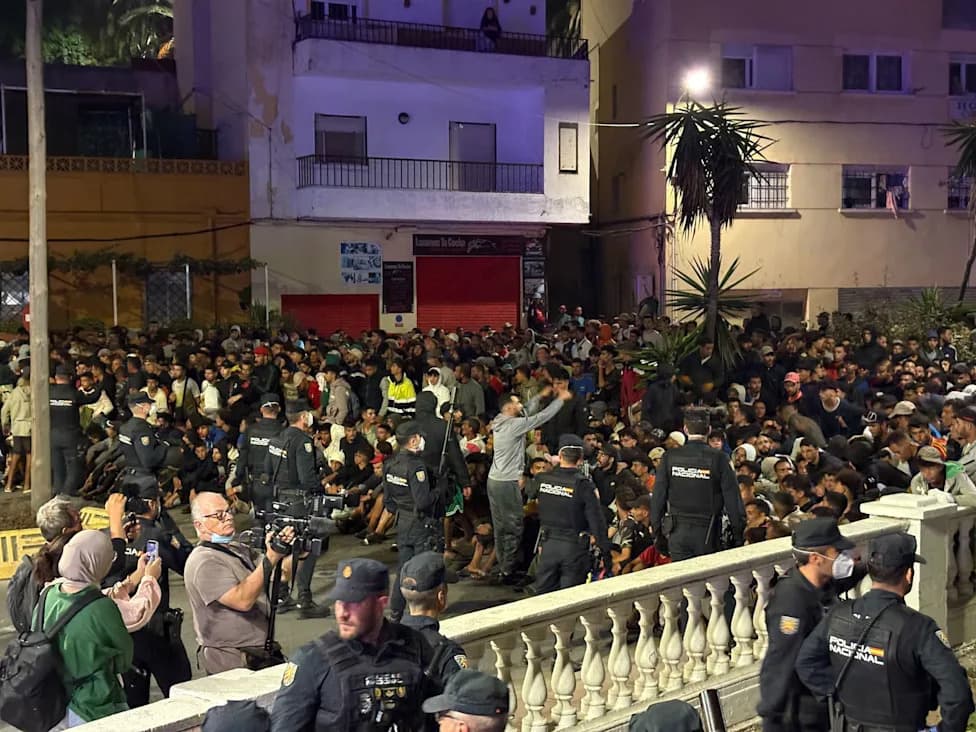
Morocco says it detained individuals suspected of promoting anonymous social media calls for mass illegal crossings into the Spanish enclaves of Ceuta and Melilla, with particular posts targeting August 15. The Interior Ministry warned such calls risk lives and said border security is being continuously reinforced as part of a standing posture. Morocco urged Spain to speed up returns of unaccompanied Moroccan minors and reiterated support for an immediate-returns mechanism. The announcement follows a late-July surge in which tens of thousands tried to reach Ceuta and at least 83 people died.
Morocco Detains Suspects After Social Media Calls for Mass Crossings Into Ceuta and Melilla
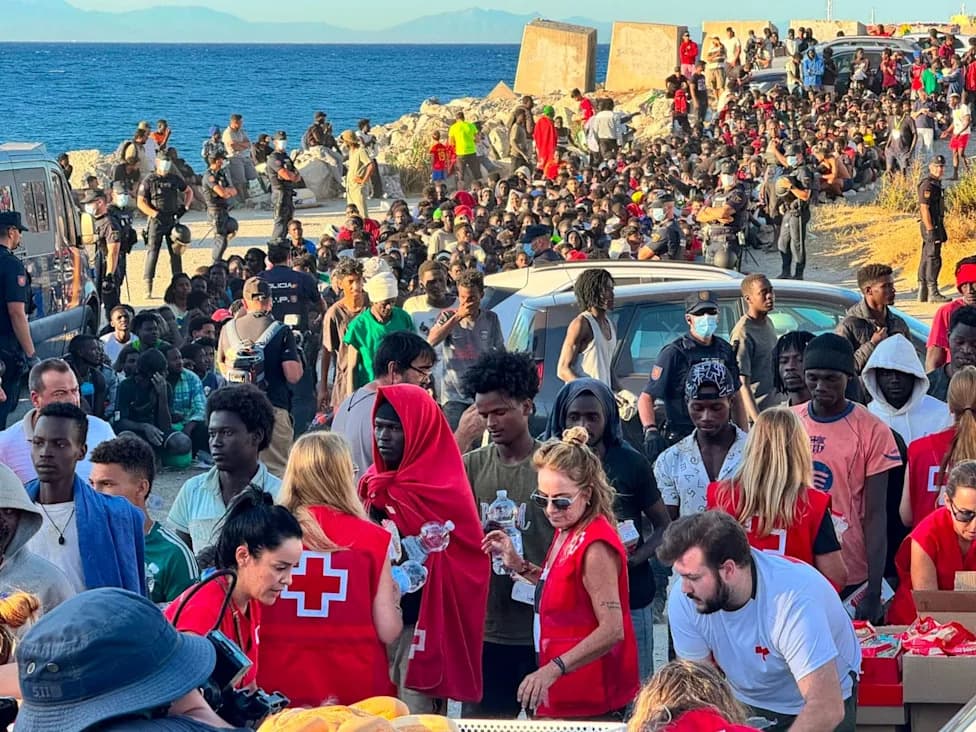
FILE PHOTO - Migrants wait in line for basic food supplies distributed by Red Cross staff and members of the organization "Sur Sur". (is associated with: «Morocco warns of new mass migration attempts towards Ceuta, Melilla») Iván Zambrano / Europa Press/EUROPA PRESS/dpa
Moroccan authorities said on Wednesday they detained a group of people suspected of encouraging new mass attempts to cross illegally into Spain's North African enclaves of Ceuta and Melilla, after anonymous social media posts urged collective crossings on August 15.
The Interior Ministry said it had monitored anonymous posts and messages in recent days that called for groups to try to enter the two enclaves unlawfully. Officials said the posts appeared intended to exploit the migration situation and could amount to criminal incitement under Moroccan law.
Authorities did not specify the number of arrests or the exact dates of detention, only that a group suspected of incitement had been placed under judicial investigation under the supervision of the competent public prosecutor. The ministry said legal action would be taken against those promoting or distributing such calls online.
Security Measures and Warnings
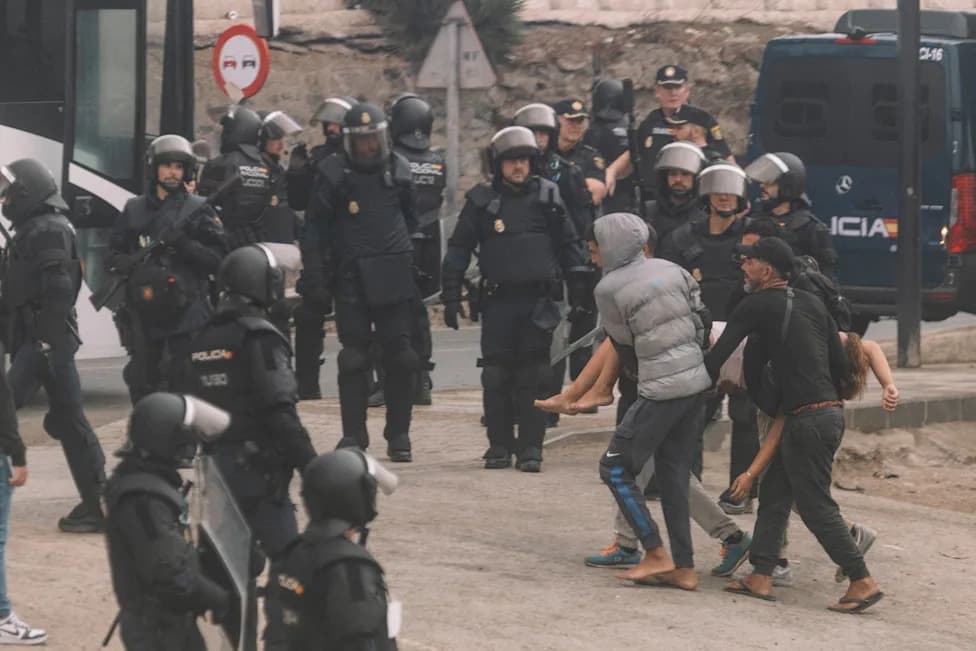
Morocco said security along border areas adjacent to Ceuta and Melilla is being continuously reinforced and adapted to developments and assessed risks. The ministry stressed that this heightened readiness is part of a permanent security posture rather than tied to one specific date.
"Authorities will act with firmness and responsibility to protect public order and the safety of people and property," the Interior Ministry said, adding it would continue to combat irregular migration and human-trafficking networks while maintaining high vigilance and coordination.
The ministry urged the public to ignore what it called "suspicious and misleading calls," warning that attempts to cross the borders illegally could endanger lives. It reiterated that combating irregular migration and human trafficking requires shared responsibility and closer cooperation among the countries involved.
Diplomatic and Humanitarian Issues
Morocco urged Spain to accelerate procedures to return unaccompanied Moroccan minors currently in Ceuta to their families, saying administrative and judicial obstacles preventing their return should be removed promptly while safeguarding the children's best interests. The ministry also renewed its appeal for use of a mechanism allowing immediate returns, saying past use of that procedure proved effective in managing irregular migration and supporting on-the-ground operations.
Context: July Surge Into Ceuta
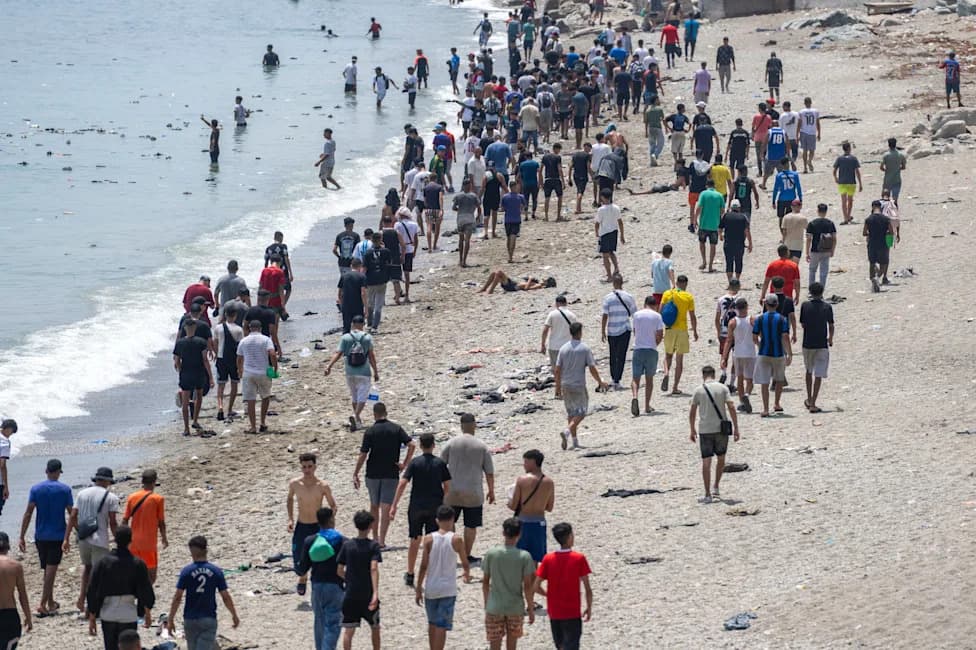
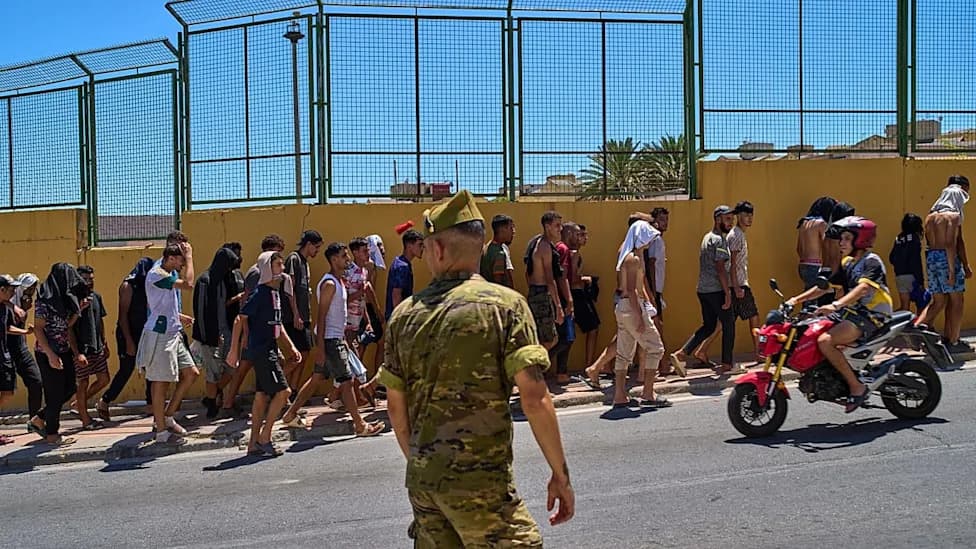
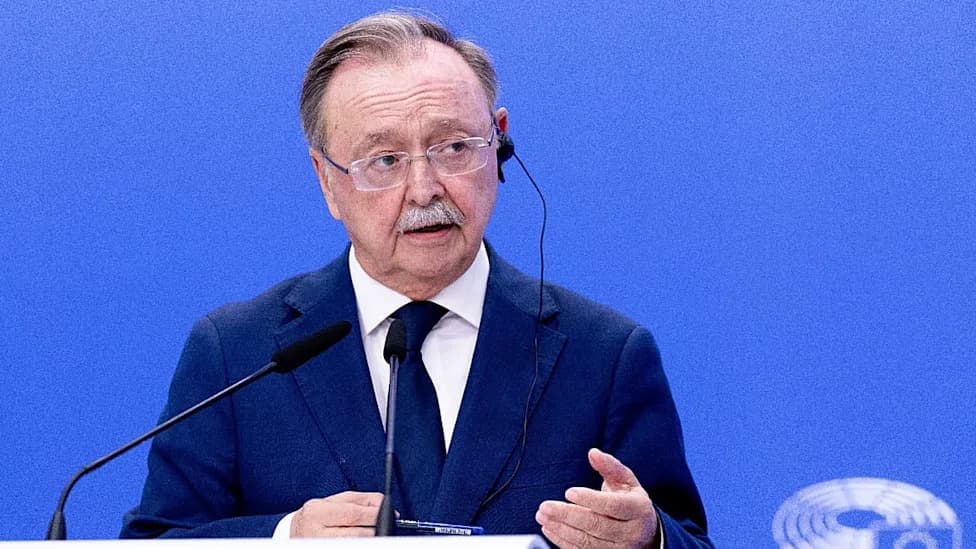
The warning follows a major migration surge into Ceuta in late July when tens of thousands of people attempted to reach the Spanish enclave from Morocco. Estimates varied: Ceuta's regional president, Juan Jesús Vivas, at times cited figures up to 80,000, while Moroccan authorities estimated around 40,000 attempted to reach the enclave.
Dozens of migrants died during the effort, mostly while trying to reach Ceuta by swimming. The official death toll has been reported as 83. The mass influx reignited debate over protection of the European Union's external borders and heightened tensions between Spain and other EU member states over migration policy and border management.
Ceuta and Melilla, Spain's two territories on the North African coast that border Morocco, have long been focal points for migrants seeking entry to the EU. Morocco and Spain have stepped up security and migration cooperation in recent years, though migration remains a recurring source of bilateral tension.
Morocco's Interior Ministry said authorities would continue to act firmly and responsibly to safeguard public order and protect people and property while combating irregular migration and human-trafficking networks. The judicial investigation into the detained suspects is ongoing.
Help us improve.