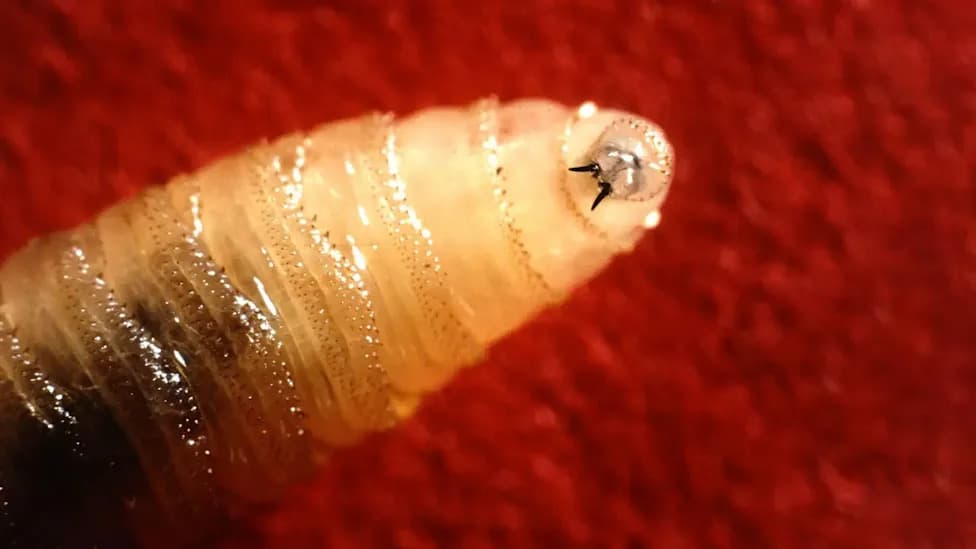
The USDA reports 45 confirmed New World screwworm cases in the U.S. as of August, with the latest found in a domesticated sheep in Terrell County, Texas. The parasite has mostly affected livestock (cattle, sheep and dogs), but humans can be infected when flies lay eggs in wounds or body openings. One female fly can lay hundreds of eggs and untreated infestations may be fatal; authorities are releasing sterile flies and the FDA has authorized a preventive medication to help contain the outbreak.
New World Screwworm Cases Rise to 45 in U.S.; Who’s At Risk and How Officials Are Responding
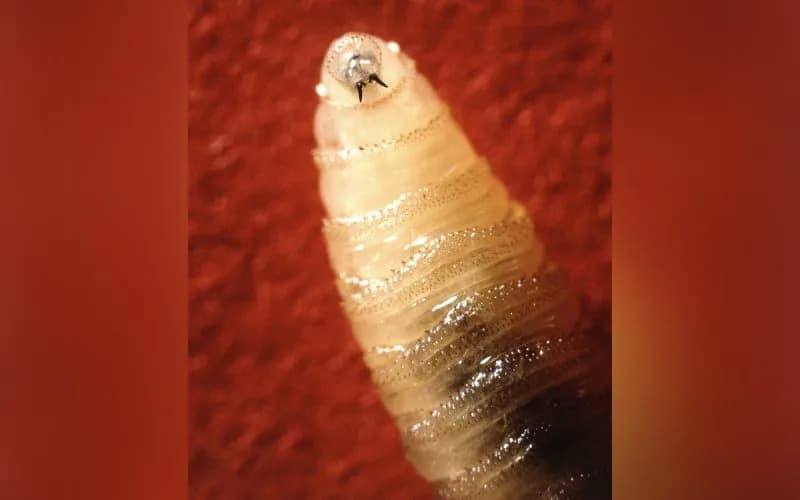
More cases of parasitic screwworm confirmed. Here’s who is at risk, where it’s spreading
The U.S. Department of Agriculture reports 45 confirmed New World screwworm infestations as of August, with the newest case detected in a domesticated sheep in Terrell County, Texas. Most cases have been found in livestock — including cattle, sheep and dogs — though human infections are possible when flies lay eggs on live tissue.
What Is the New World Screwworm?
The New World screwworm (Cochliomyia hominivorax) is a parasitic fly whose larvae (maggots) feed on living flesh. Unlike foodborne parasites such as Cyclospora, screwworms infect hosts when female flies deposit eggs directly into wounds or body openings such as the nose, mouth, eyes or ears.
How It Spreads And Who’s At Risk
Female screwworm flies are attracted to warm-blooded animals and can lay eggs on very small wounds. The Centers for Disease Control and Prevention notes that even a minor puncture such as a tick bite may draw egg-laying flies. Once eggs hatch, the larvae burrow into tissue and consume surrounding flesh.
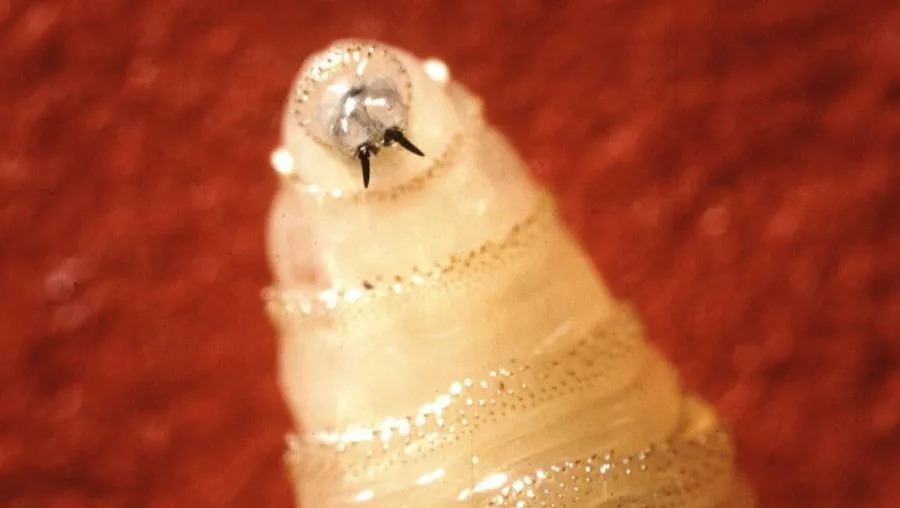
A New World screwworm larvae sits at rest in this undated photo. (USDA Agricultural Research Service via AP)
"Wounds as small as a tick bite may attract a female fly to lay her eggs. One female can lay 200–300 eggs at a time and may lay up to 3,000 eggs during her 10- to 30-day lifespan," the CDC says.
Symptoms And Treatment
In animals and humans, signs of screwworm infestation include a persistent, painful wound that may produce a foul odor, visible larvae or discharge, swelling, and sometimes fever or systemic illness if the infection spreads. If left untreated, infestations can be life-threatening.
Treatment requires complete removal of all eggs and larvae. Superficial infestations can often be cleared by manual removal and wound care; deeply embedded larvae may require surgical intervention. Clinicians should follow CDC guidance for diagnosis and management.
Containment Efforts
Agricultural authorities are taking aggressive steps to prevent further spread because of the threat to the livestock industry. The USDA is deploying sterile insect release programs to reduce screwworm reproduction, and the Food and Drug Administration has issued an emergency use authorization for a preventive medication to protect at-risk animals. To date, most U.S. cases are concentrated in Texas, with at least one confirmed case in New Mexico.
How People And Farmers Can Protect Themselves
- Keep wounds clean, covered and promptly treated.
- Inspect livestock regularly and report suspicious wounds to veterinary authorities.
- Use protective clothing and insect repellent when working outdoors in affected areas.
- Follow public-health and agricultural advisories about vaccinations, medications, or sterile-fly programs.
If you suspect a screwworm infestation in an animal or person, contact local public-health or agricultural authorities immediately for guidance.
Help us improve.