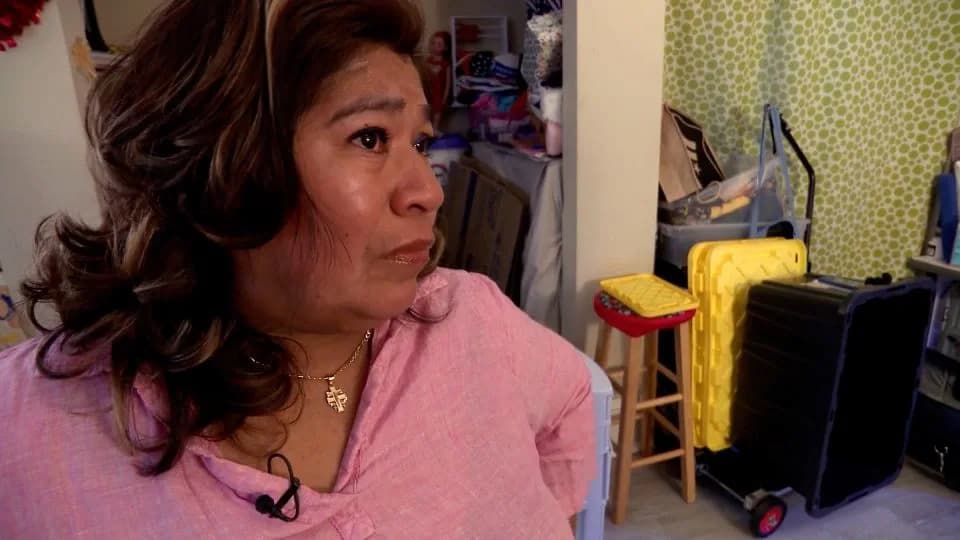
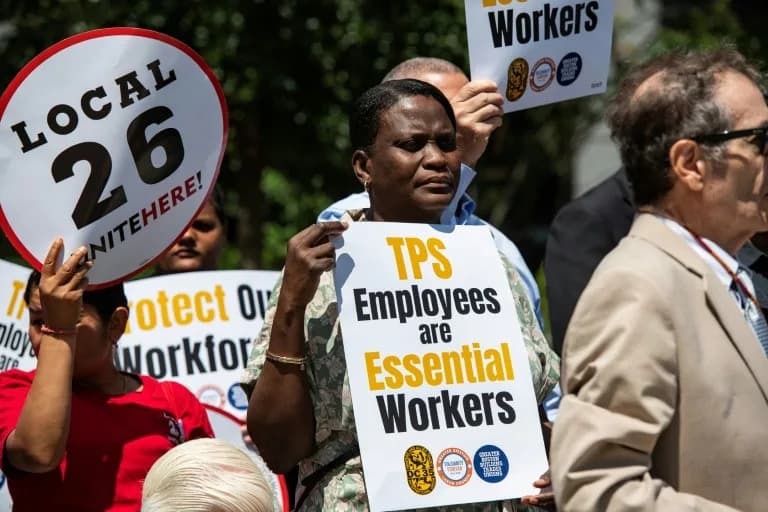
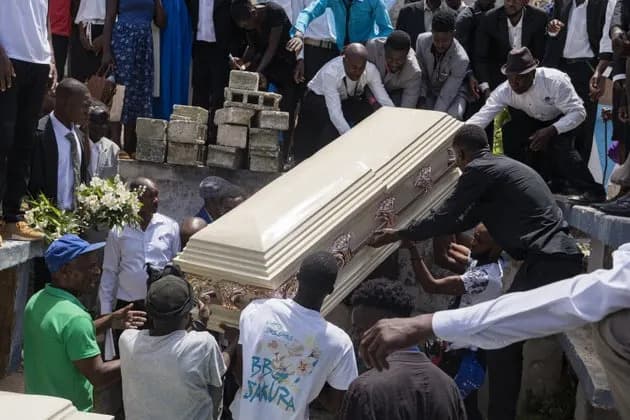
The Honduran man in a video on X says he was deported after living in the U.S. for 25 years, having arrived at age 10, earned a finance degree and run his own business. He reports living under TPS for 24 years and being detained for six weeks across three facilities. DHS ended Honduras' TPS designation effective Sept. 8, 2025; DHS cited roughly 72,000 holders while CRS data showed about 51,225 approved beneficiaries as of March 31, 2025. The man says the removal felt racially motivated and plans to share more about his experience.
“Twenty‑Five Years, A Whole Life”: Honduran Man Says He Was Deported After 25 Years In U.S. As TPS Termination Takes Effect
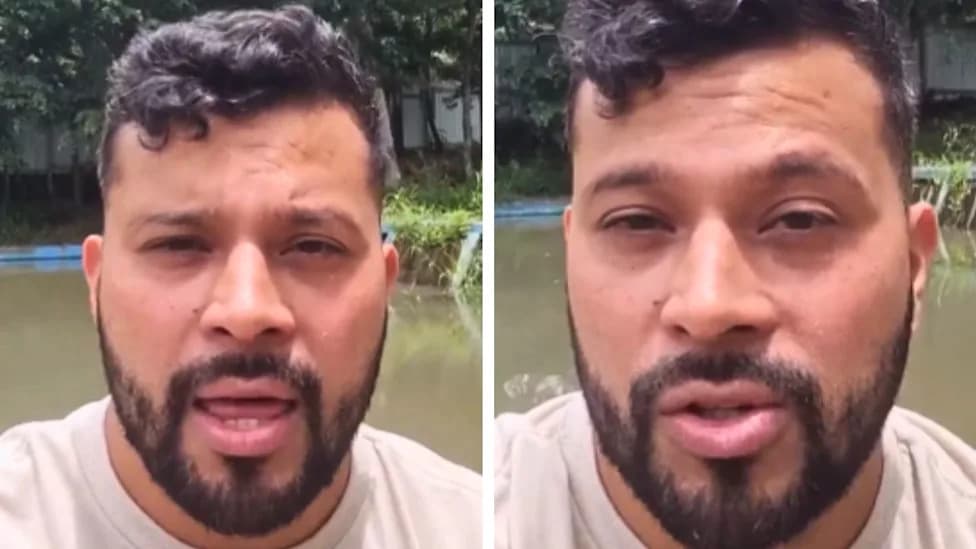
A Honduran man appearing in a video posted on X (formerly Twitter) says he was deported after living in the United States for 25 years — a period he described as "a whole life." The clip has reignited debate about Temporary Protected Status (TPS) and what the end of Honduras' designation means for longtime residents.
The man says he arrived in the U.S. at age 10, attended middle and high school, earned a bachelor’s degree in business administration with a concentration in finance, and worked roughly a decade in the finance sector before launching his own business. Describing his return to Honduras, he said:
"Twenty (…) five years, a whole life."
He told viewers that when he arrived back in Honduras he had little more than the clothes he was wearing when detained. He also said he had lived under TPS for 24 years, was detained and held in three different facilities over six weeks, and that he has no criminal history, paid taxes and contributed to his community.
What TPS Is And What Changed
Temporary Protected Status (TPS) is a humanitarian protection created by Congress in 1990 to shield nationals of countries experiencing temporary, extraordinary conditions — such as armed conflict or natural disasters — from removal and to authorize work while the designation is in effect. TPS itself does not provide permanent residence or a direct path to U.S. citizenship.
U.S. Citizenship and Immigration Services (USCIS) notes that Honduras was first designated for TPS in 1999 after Hurricane Mitch. In July 2025, the Department of Homeland Security (DHS) announced it would terminate Honduras' TPS designation, concluding that conditions in the country had improved and no longer met TPS criteria. The termination became effective Sept. 8, 2025.
DHS indicated roughly 72,000 Hondurans held TPS at the time of the announcement. By contrast, Congressional Research Service (CRS) data reported about 51,225 approved Honduran TPS beneficiaries as of March 31, 2025.
Reaction And Context
The man's claims have prompted mixed public reactions online. Some users on X questioned why he had not pursued another immigration path during his decades in the U.S., noting that TPS is explicitly temporary. Others pointed to his education and professional experience and suggested he could try to use those skills back in Honduras.
The Daily Dot, which covered the video, said it could not independently verify the man's account. The man has said he plans to share additional details about his detention, his interactions with other detainees and his new life in Honduras. He added that, "From my personal experience and from my perspective, this was driven by racism."
Takeaway
The video highlights the human consequences of policy changes: tens of thousands of people who relied on TPS now face new legal and practical realities. The case underscores the distinction between TPS as an emergency measure and other immigration pathways that provide permanent status.
Help us improve.