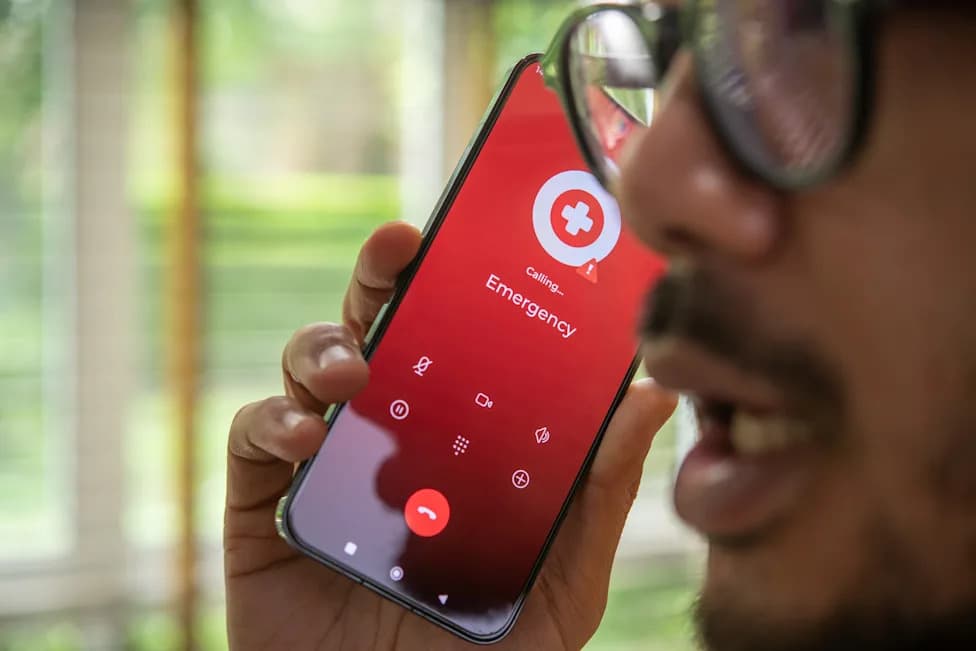
New Orleans has begun using AI Emergency Call Triage in its 911 operations after a 311 pilot, making it the first major U.S. city to adopt this approach. The system is meant to forward urgent calls to human dispatchers and handle lower-priority reports to ease dispatcher workload. Critics — including a former first responder — warn AI may miss crucial context from panicked or injured callers, and research has shown bots can produce convincing but false audio guidance. City officials stress limits, human oversight, improved training data, and cybersecurity protections, but public skepticism and legal concerns persist.
New Orleans Is First Major US City to Use AI for 911 Triage — Safety Questions Raised
Photo Credit: iStock
New Orleans has rolled out an artificial intelligence system called AI Emergency Call Triage into its 911 operations after a pilot on the city's 311 non-emergency hotline. Announced in late July by the Orleans Parish Communication District, the system is designed to assess incoming calls for urgency and forward high-priority incidents to human dispatchers while handling lower-priority reports itself.
Officials say the tool is intended to reduce strain on an overburdened dispatch network by serving as an overflow filter and by processing reports from callers located near incidents that have already been reported. The city emphasizes that human oversight, cybersecurity protections, improved training data, and explicit rules for the algorithm are part of the deployment plan.
New Orleans appears to be the first major U.S. municipality to put AI directly into a 911 triage role, though other cities — including Seattle and Atlanta — have piloted AI in smaller parts of their emergency-response workflows.
One critic who identified himself as a former first responder bluntly told the New York Post, "This is the worst idea you could possibly think of."
Concerns From Critics and Researchers
Critics warn that emergency callers are often panicked, injured, speaking unclearly, or deliberately vague to avoid alerting nearby threats — conditions that can confound automated systems. Experts also point to research suggesting conversational AI can produce convincing but incorrect guidance: reporting cited by the New York Post referenced NewsGuard findings that several bots produced convincing-sounding audio answers containing false information in many test cases.
Beyond misinterpretation risks, broader concerns include how AI might interact with critical infrastructure, the potential for manipulation or biased outputs, and the legal liability that could arise if an automated decision contributes to a harmful outcome.
Officials' Safeguards and Public Reaction
City officials and supporters argue that careful limits on use — restricting the tool to overflow situations and callers near already-reported incidents — combined with human review and continuous auditing, can mitigate risks. They also point to cybersecurity measures and ongoing training of the system as essential safeguards.
Despite those assurances, public skepticism remains high. Some commentators warned that a single costly lawsuit or wrongful outcome could halt the experiment, underscoring the stakes when AI is applied to life-and-death services.
The Orleans Parish Communication District says it will monitor performance and outcomes closely as the system is used, but the rollout has already sparked an urgent debate about accuracy, oversight, and the proper role of AI in emergency response.
Help us improve.