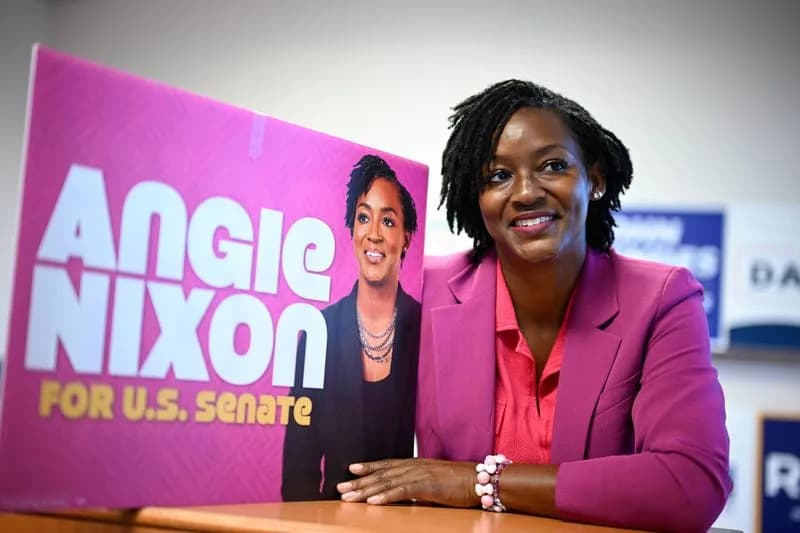
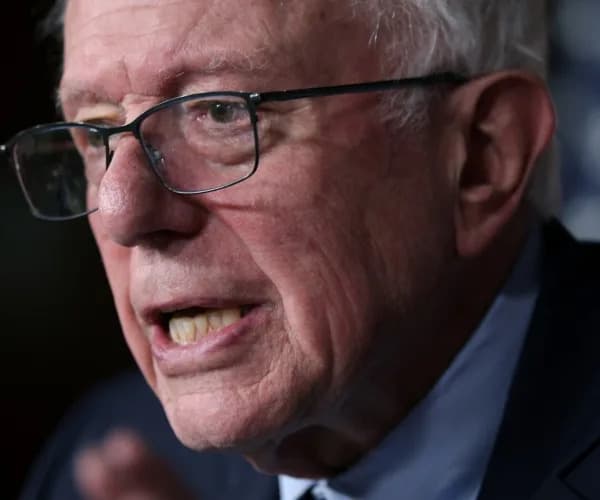
Lt. Gov. Peggy Flanagan narrowly beat Rep. Angie Craig in Minnesota's Democratic Senate primary, a notable victory for the progressive wing. Flanagan campaigned on Medicare for All, limiting military aid to Israel, and increased scrutiny of ICE after two deadly enforcement-related incidents. The race drew heavy fundraising — Craig raised nearly $13 million to Flanagan's just under $7 million — and Republicans view the outcome as an opening for a competitive general election. Observers compare the result to recent progressive upsets in Michigan and warn Democrats may need to reallocate resources for November.
Progressive Upset: Lt. Gov. Peggy Flanagan Defeats Angie Craig in Minnesota Senate Primary
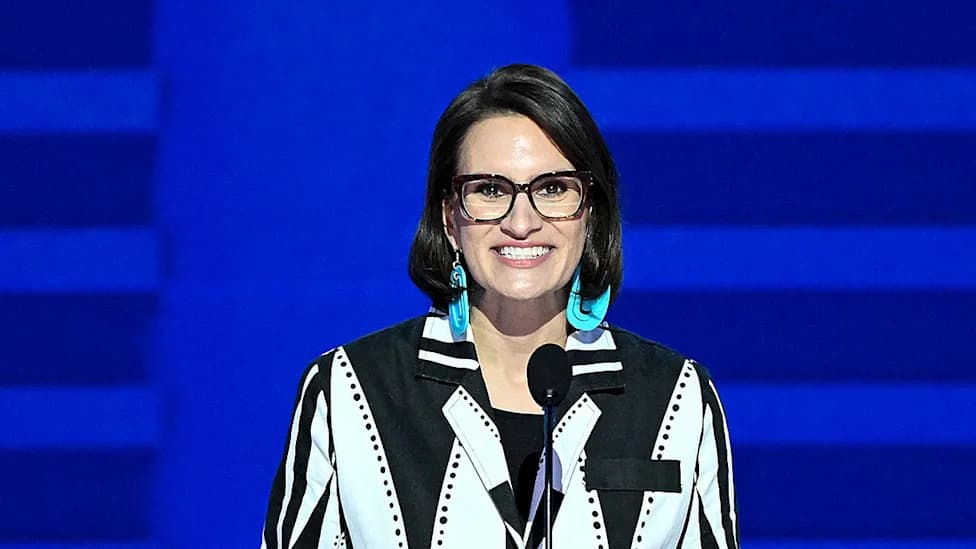
MN Lt. Gov Peggy Flanagan speaking at the DNC.
Lieutenant Governor Peggy Flanagan narrowly defeated U.S. Rep. Angie Craig in Minnesota's Democratic Senate primary, marking a significant victory for the progressive wing of the party and a setback for establishment leaders who backed Craig.
Flanagan ran on a platform that emphasized progressive priorities, including support for Medicare for All, calls to end certain U.S. military aid to Israel, and increased scrutiny of Immigration and Customs Enforcement (ICE) following two deadly incidents tied to immigration enforcement in Minnesota. She repeatedly contrasted her positions with Craig's legislative record — including Craig's support for measures like the Laken Riley Act — to draw a clear policy distinction with her opponent.
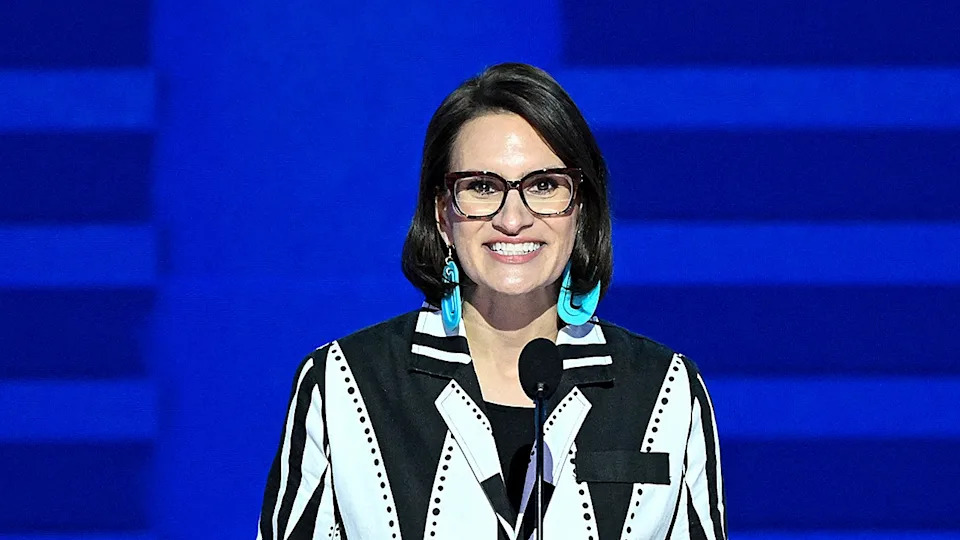
Peggy Flanagan, Minnesota's lieutenant governor and Senate hopeful, faced backlash over her progressive activism and outreach amid the state's sprawling fraud controversy.
Endorsements and Support: Flanagan secured high-profile backing from progressive figures such as Sen. Bernie Sanders (I-Vt.) and Rep. Ilhan Omar (D-Minn.), as well as support from Sen. Tina Smith (D-Minn.), whose decision to leave the Senate opened the seat. Sen. Amy Klobuchar (D-Minn.), who is campaigning for governor, did not take a public position in the primary contest.
Craig was widely viewed as the more moderate, establishment-backed candidate and counted Senate Minority Leader Chuck Schumer among her supporters. The primary drew substantial outside investment: according to Federal Election Commission filings, Craig raised nearly $13 million this cycle while Flanagan reported just under $7 million.
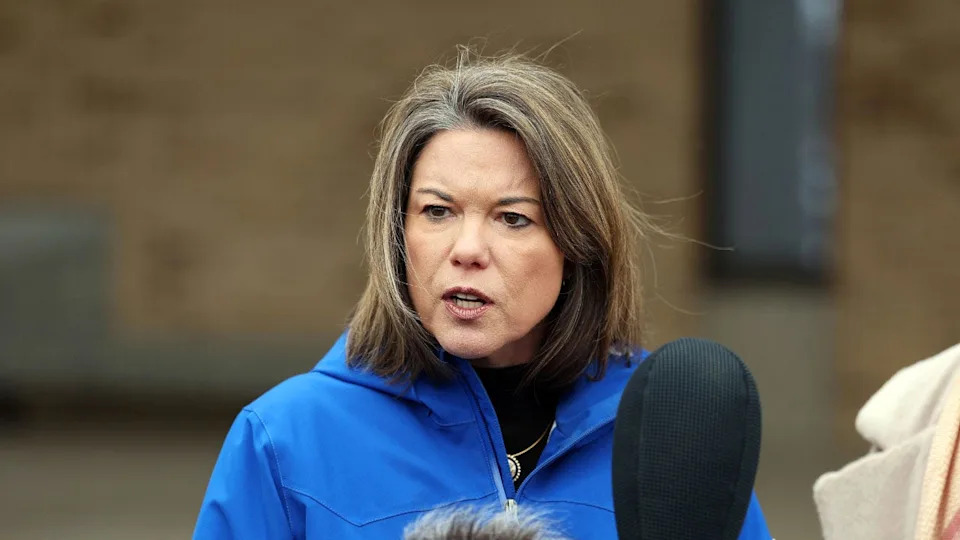
Rep. Angie Craig, D-Minn., addresses media on Feb. 20, 2026, in St. Paul, Minn.
Republican strategists framed the result as evidence of divisions in the Democratic coalition and an opportunity for GOP pickup efforts in Minnesota.
Parallel Upsets and Political Consequences
Republicans and some analysts have compared Flanagan's victory to a recent primary upset in Michigan, where Dr. Abdul El-Sayed defeated Rep. Haley Stevens. Those outcomes have prompted questions about whether the Democratic establishment will need to shift resources to defend potentially vulnerable seats this fall.
Critics have also noted Flanagan's close association with Gov. Tim Walz; she served as his lieutenant governor while a high-profile fraud controversy involving his administration drew intense scrutiny and ultimately affected his reelection prospects. Walz did not play a central role in the Senate primary endorsements.
General Election Outlook
Republicans are optimistic about flipping the seat in November. The GOP is rallying behind former NFL sideline reporter Michele Tafoya as a likely nominee, and National Republican Senatorial Committee chair Sen. Tim Scott (R-S.C.) has described Minnesota as a competitive opportunity. Party officials say Tafoya is polling close to Flanagan and could run a strong general election campaign.
For Democrats, the primary result underlines both the energy of the progressive base and the strategic challenge of consolidating support and funds across multiple battleground states heading into the general election.
Help us improve.