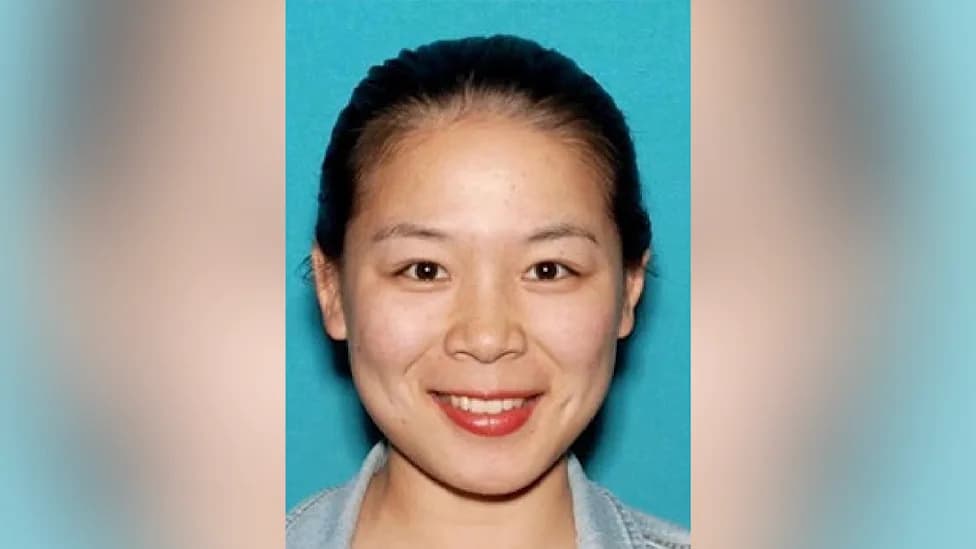
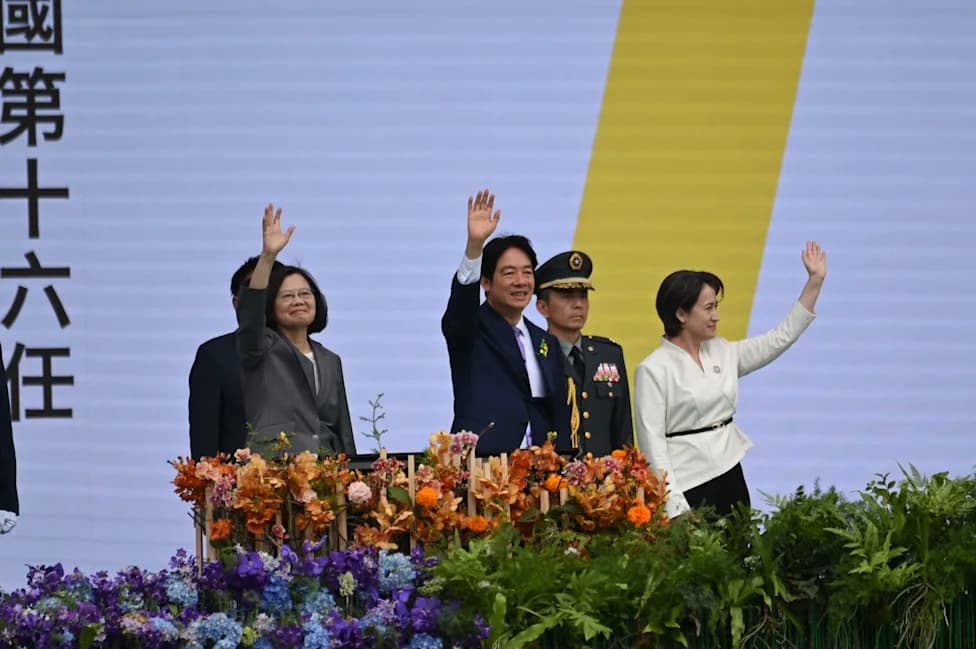
The day after Li Chen-hsiu took her oath as a member of Taiwan's legislature, she faced intense questions about her nationality, identity and loyalty — a fraught welcome that illustrates a wider debate about "mainland spouses": people born in China who naturalized in Taiwan through marriage.
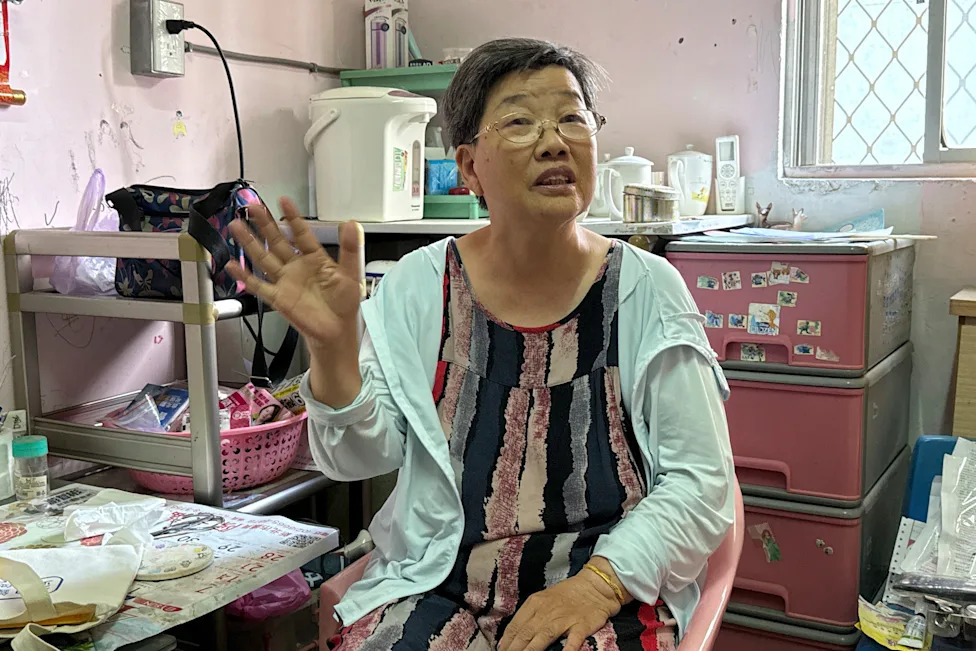
Mi Zhengrong speaks during an interview in Taipei, Taiwan, on July 20, 2026. (AP Photo/Johnson Lai)(AP Photo/Johnson Lai)
Background
There are roughly 369,000 people in Taiwan who fit this description. Once the focus of gradual integration measures — shorter naturalization timelines and expanded work rights — mainland spouses now find themselves under tighter scrutiny amid rising tensions between Taiwan and Beijing. Beijing has stepped up military patrols near the island, intensified diplomatic isolation efforts and waged active disinformation campaigns, prompting Taiwanese officials to cite national security as justification for stricter rules.
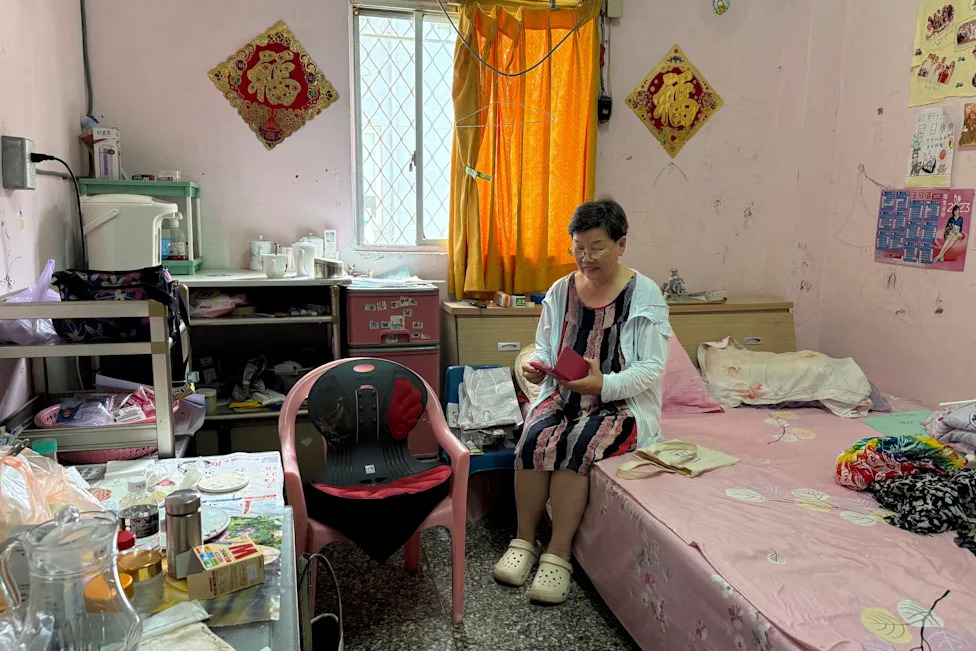
Mi Zhengrong sits in her room in Taipei, Taiwan, on July 20, 2026. (AP Photo/Johnson Lai)(AP Photo/Johnson Lai)
High-Profile Cases and Human Impact
Li Chen-hsiu, a Taiwan People's Party lawmaker, was removed from office after authorities said she failed to provide paperwork proving she renounced Chinese household registration and held only one nationality for the previous 10 years. Li says she has been a Taiwanese citizen since 1999 and cancelled her Chinese household registration then.
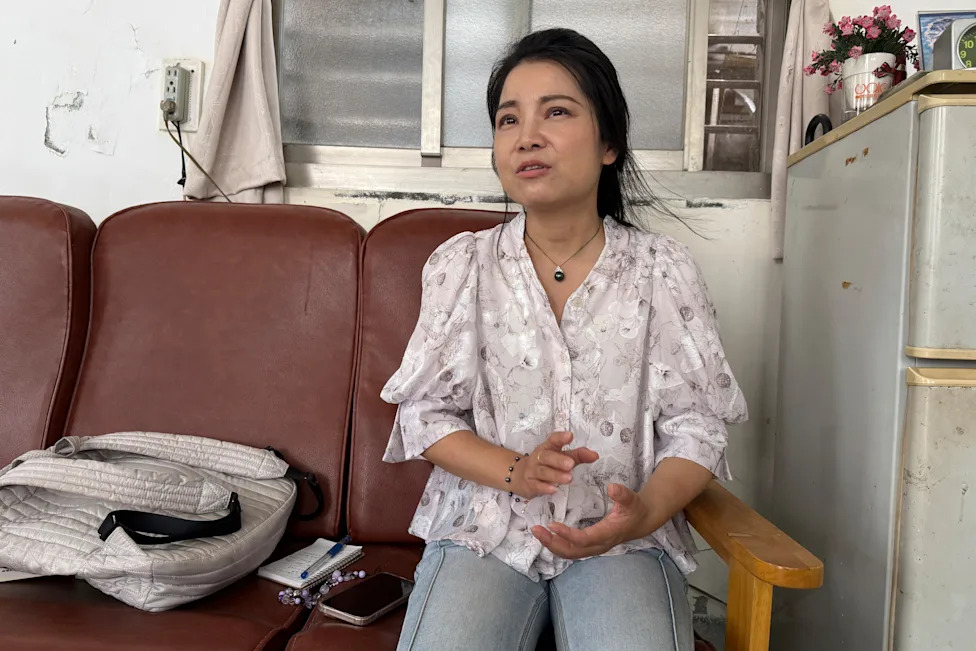
Shang Guan, a writer and activist from China who moved to Taiwan in 2021, speaks during an interview in Taipei, Taiwan, on July 20, 2026. (AP Photo/Johnson Lai)(AP Photo/Johnson Lai)
In another case, a New Taipei court sentenced Hsu Chun-ying, who ran an organization that assisted spouses, to seven years in prison for acting on Beijing's behalf to spy on Taiwan and interfere in its politics.
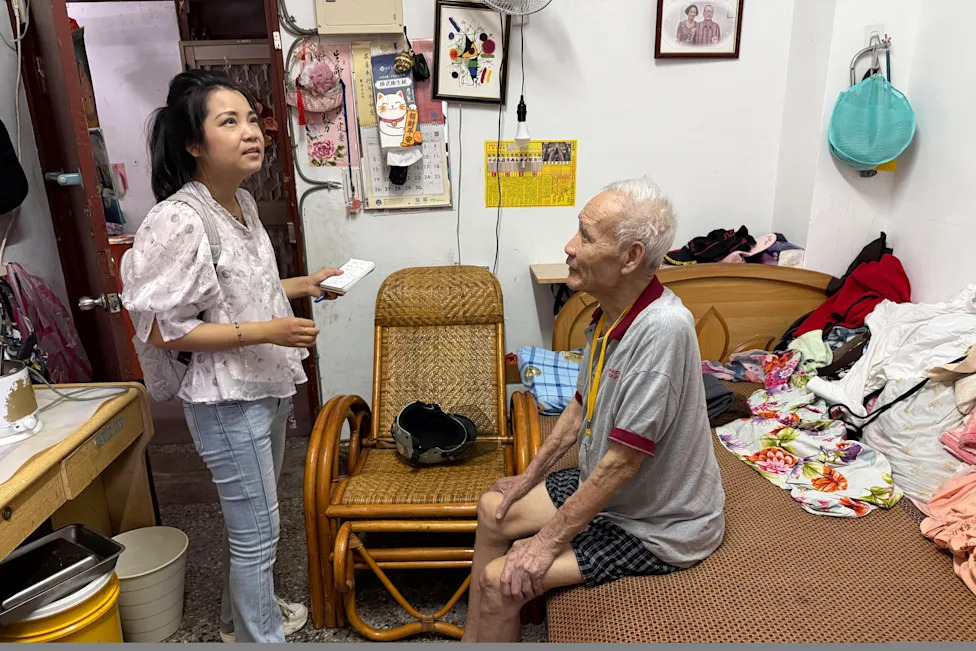
Shang Guan, a writer and activist from China who moved to Taiwan in 2021, visits 97 years old military veteran Li Guo-dong, right, in Taipei, Taiwan, on July 20, 2026. (AP Photo/Johnson Lai)(AP Photo/Johnson Lai)
Individual stories show the personal toll of policy shifts. Mi Zhengrong, 72, moved to Taiwan after marrying a veteran who had fled China after the 1949 civil war. She later lost a military pension by 13 days because her second marriage fell short of a 10-year threshold. Living on roughly NT$10,000 a month (about US$330), Mi says she prefers life in Taiwan but now faces financial insecurity tied to complex pension and citizenship rules.
Policy Changes and Legal Questions
Taiwan has recently reversed some of its earlier integration measures. Authorities deported three women last spring for online advocacy of forced reunification with China and issued notices to about 12,000 naturalized spouses asking them to prove they cancelled household registration in China or risk losing citizenship.
Legal distinctions remain notable: mainland spouses generally must wait six years to apply for citizenship (compared with four years for other foreign spouses), and they must be Taiwanese citizens for 10 years before qualifying for many government positions, while many other naturalized spouses can apply for lower-level roles much sooner.
Debate: Security Versus Discrimination
"The government has a compelling interest in protecting the safety of the country," said Yen-Tu Su, a researcher at Academia Sinica. "Authorities have some leeway in assessing whether a foreign resident represents a threat to social order or public safety."
"In recent years the government has been interpreting many laws incorrectly, or in a distorted way," said Bruce Liao, an immigration law professor at National Chengchi University. "You can't move against the Mainland, but you can bully the 'mainland spouses' here, and use them to create hostility."
Critics argue the government is selectively enforcing rules in ways that stigmatize a vulnerable population. Defenders say the measures are precautionary responses to credible security threats, pointing to espionage convictions and increased coercive activity from Beijing.
Where Things Stand
The controversy touches legal technicalities, national security concerns and the everyday lives of families — from veterans and their spouses to younger, better-educated migrants who met partners after travel eased. As cross-strait pressures persist, mainland spouses will likely remain a focal point in Taiwan's debates over who belongs and how security and civil rights should be balanced.