The late‑June twin quakes in Venezuela's La Guaira region were far more destructive because loose, "unconsolidated" soils amplified ground motion and construction failures allowed buildings to collapse. The 7.2 and 7.5 tremors killed over 6,300 people, toppled about 190 buildings and damaged hundreds more. Engineers cite poor rebar connections, weak procurement practices and ageing stock as key causes; rescuers continue to search rubble while displaced families wait for housing and rebuilding plans.
Perfect Storm: How Geology and Poor Construction Amplified Venezuela's Twin Quakes
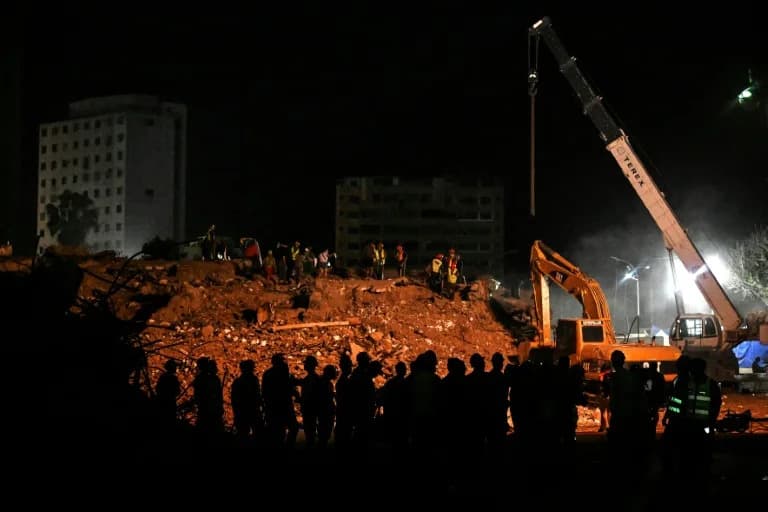
Rescuers are still looking for victims under the rubble after the double quakes that struck Venezuela in June (Juan BARRETO)
The late‑June twin earthquakes that struck Venezuela's La Guaira region inflicted catastrophic damage that experts say was magnified by a combination of local geology, loose soils and substandard construction practices.
Overview
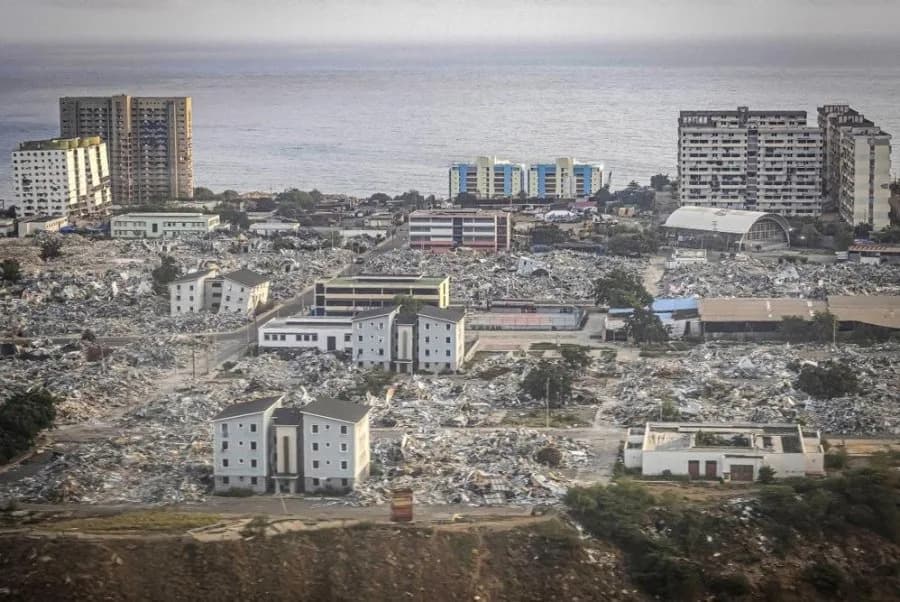
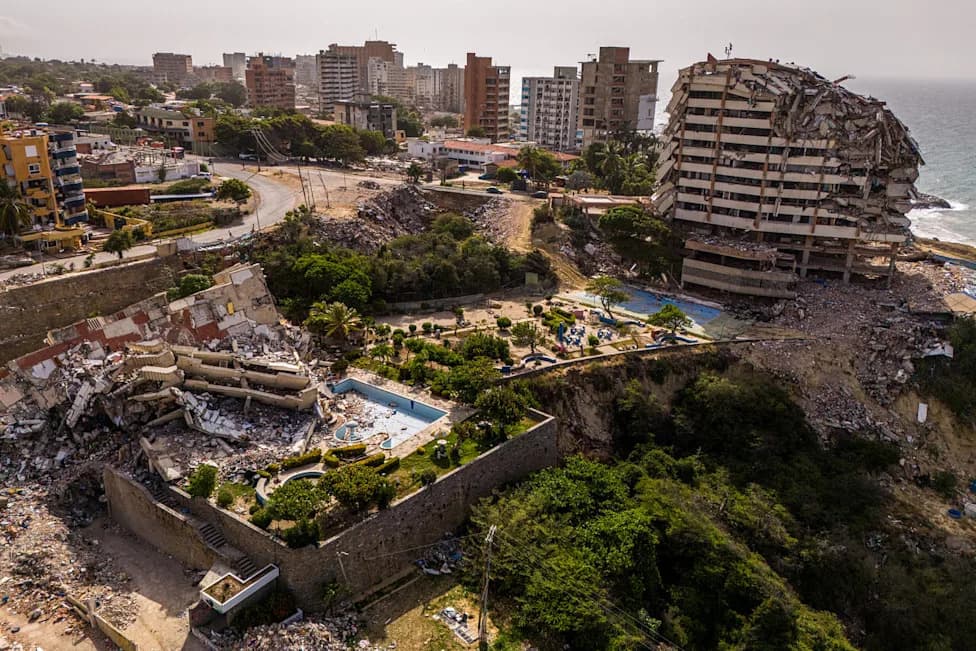
Two powerful tremors — measured at magnitude 7.2 and 7.5 — hit the state of La Guaira, killing more than 6,300 people, collapsing roughly 190 buildings and damaging at least 856 more. Entire apartment blocks were declared uninhabitable and many survivors now live in temporary shelters next to ruined structures.
Why The Damage Was So Severe
Geologists point to the region's "unconsolidated" or loose soils, which require careful geotechnical assessment before building. According to Feliciano De Santis, president of the Venezuelan Geologists Society, these soils tend to amplify ground motion, increasing the forces that act on structures during strong earthquakes. The area also has a history of deadly landslides, including catastrophic mudslides in 1999.
Construction And Design Failures
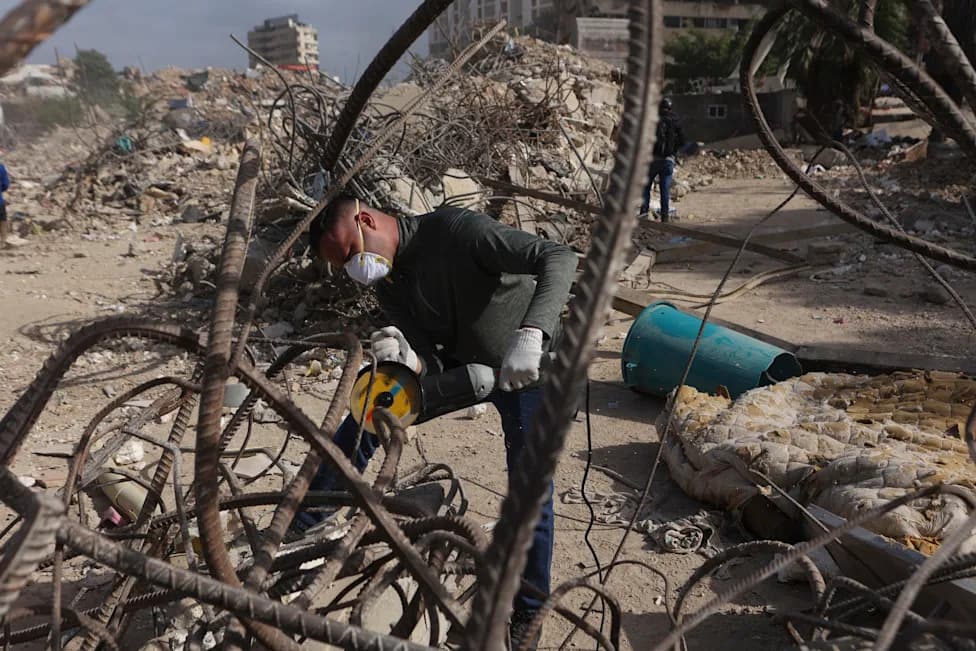
Independent engineers surveying the damage identified widespread construction shortcomings. Japanese engineer Kit Miyamoto — working with international partners — noted that while many buildings contain substantial amounts of steel reinforcement, the connections between rebar and foundations are often inadequate. Such weak links can allow buildings to fail under strong shaking.
An investigation by Armando.info found that discretionary contracting and the use of inexperienced companies in some state housing projects likely contributed to poor construction quality. Of 43 social housing high‑rises built in the early 2010s, 16 were flattened in the quakes, trapping residents under rubble.
Human Impact
Survivors describe profound loss and anxiety. Jennire Garcia, 42, whose apartment block in coastal Catia La Mar was rendered unlivable, said she and her family are sheltering in tents beside the ruins and are "sick with stress all day long." Rescue teams continue searching debris from buildings up to 12 storeys high.
Response And Next Steps
Authorities face public anger over the perceived slowness of the response. The central government has pledged to deliver approximately 4,000 housing units this year to help displaced families. Engineers stress that damaged, unsafe buildings must be assessed and, where necessary, demolished. At the same time, officials and specialists emphasize prioritizing seismic retrofitting and enforcing modern construction standards to reduce future risk.
Key technical priorities: detailed geotechnical studies in vulnerable zones; rigorous enforcement of rebar and foundation connection standards; transparent procurement and quality control for public housing projects; and targeted retrofitting of older, at‑risk buildings.
As search and recovery continue, experts say the disaster highlights the need for sustained investment in earthquake‑resilient design, stronger regulatory oversight and support for affected communities during long reconstruction efforts.
Help us improve.