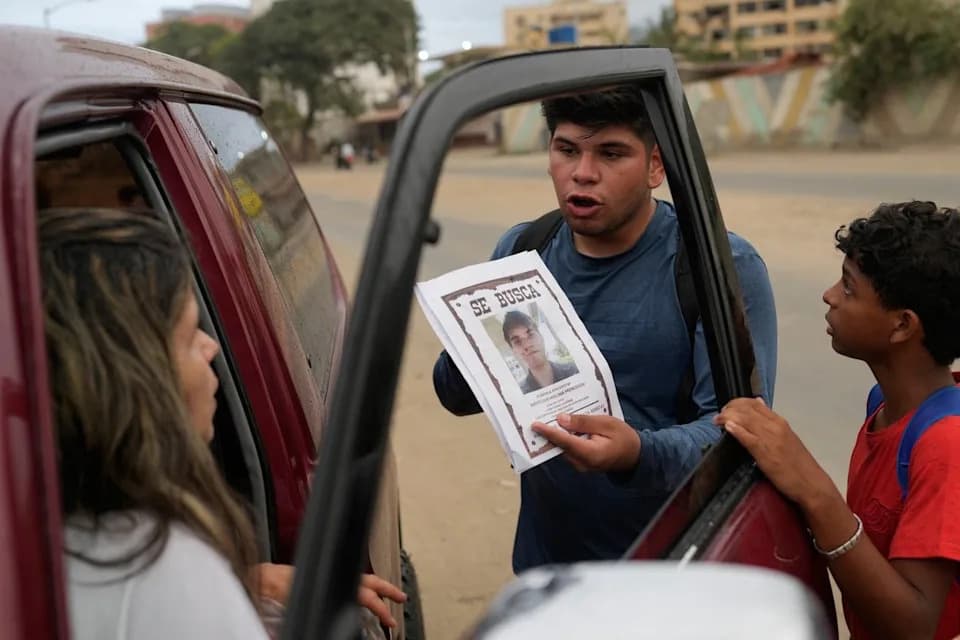
Three months after the June 24 earthquakes, families in La Guaira, Venezuela, remain entrenched in the ruins of collapsed apartment towers, continuing desperate searches for relatives believed to be trapped beneath rubble and water. Volunteer rescuers, short on heavy machinery, have spent weeks excavating by hand amid flooding and unstable structures. Survivors living in tent encampments describe exhaustion and grief but vow to persist until they find their loved ones and achieve closure.
Three Months After Venezuela Quakes, Families Still Dig for Loved Ones Amid Collapsed Towers
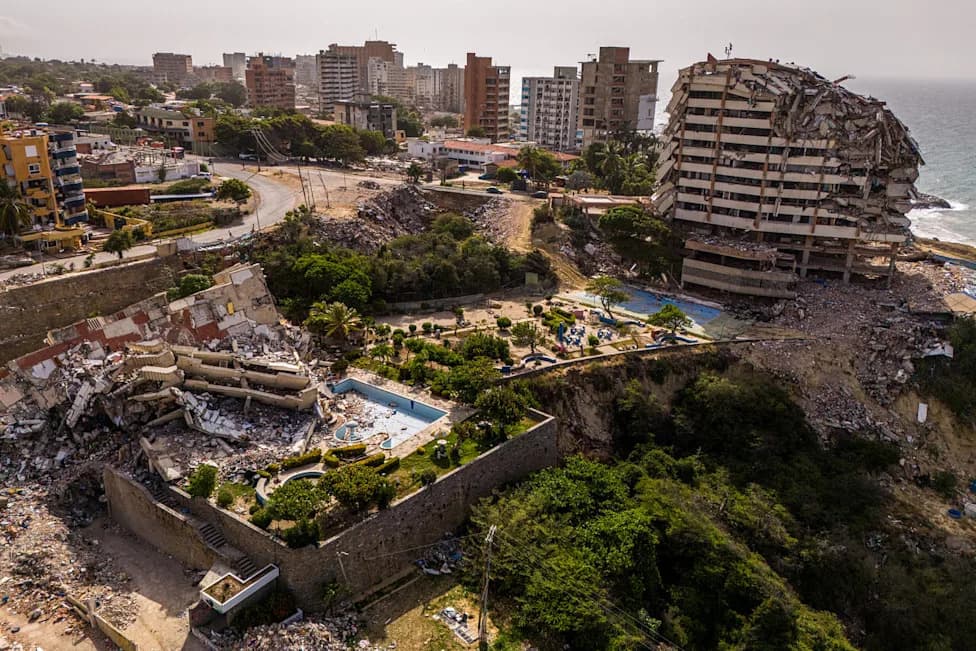
Three months have passed since two earthquakes in quick succession shook Venezuela. But the devastation continues to resonate for those who haven't been able to properly say goodbye to loved ones. (Maxwell Briceno / AFP via Getty Images file)
Three months after two powerful earthquakes struck the Venezuelan coast on June 24, families in La Guaira remain living at the edges of collapsed buildings, digging by hand and waiting in tents for the return of relatives still believed to be trapped under concrete and water.
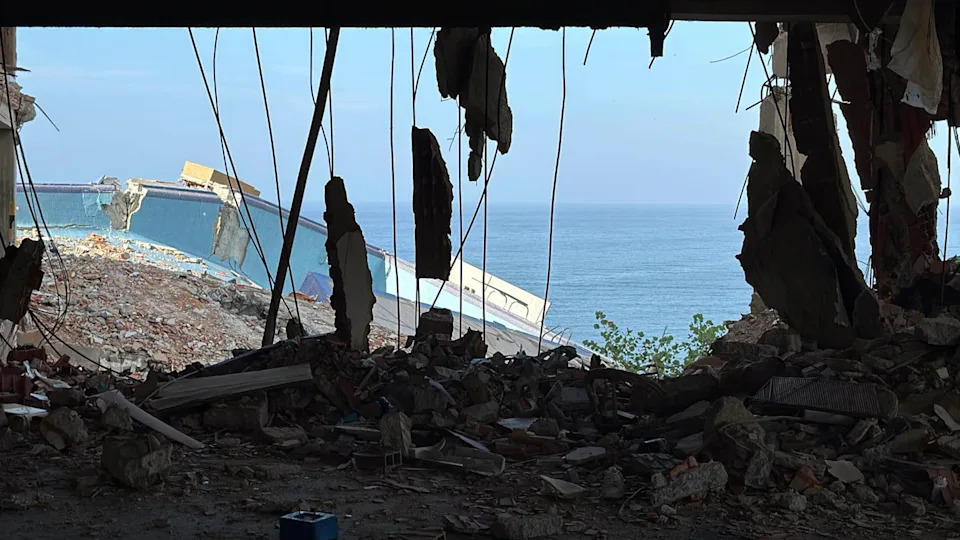
Looking out from the remains of the Jurel building in La Guaira, Venezuela. (Julimar Valentina Rivas Pérez)
Ruins of the Jurel Building: A Search That Won't Let Go
At the Jurel building site in Playa Grande, the scene is quiet except for the low murmur of onlookers and the creaking of settling rubble. The 12-story tower pancaked in places, exposing rooms, bathrooms and tilted floors — a structural failure that has made recoveries exceptionally dangerous and difficult.
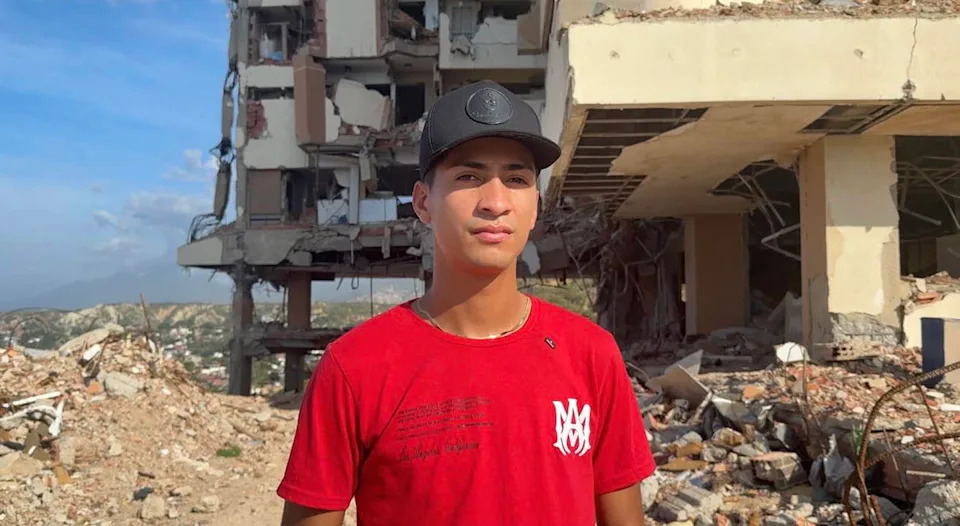
Cristian Verdú is still looking for his mother. (Julimar Valentina Rivas Pérez)
Twenty-three-year-old Cristian Verdú lost three close relatives that day: his brother, his cousin and his mother. Drone footage has confirmed that his mother and cousin remain inside the Jurel’s debris, but rescue teams have repeatedly deemed the structure too unstable to enter safely. Verdú has kept vigil near the wreckage, sleeping in a tent and pleading on social media for help to recover their remains.
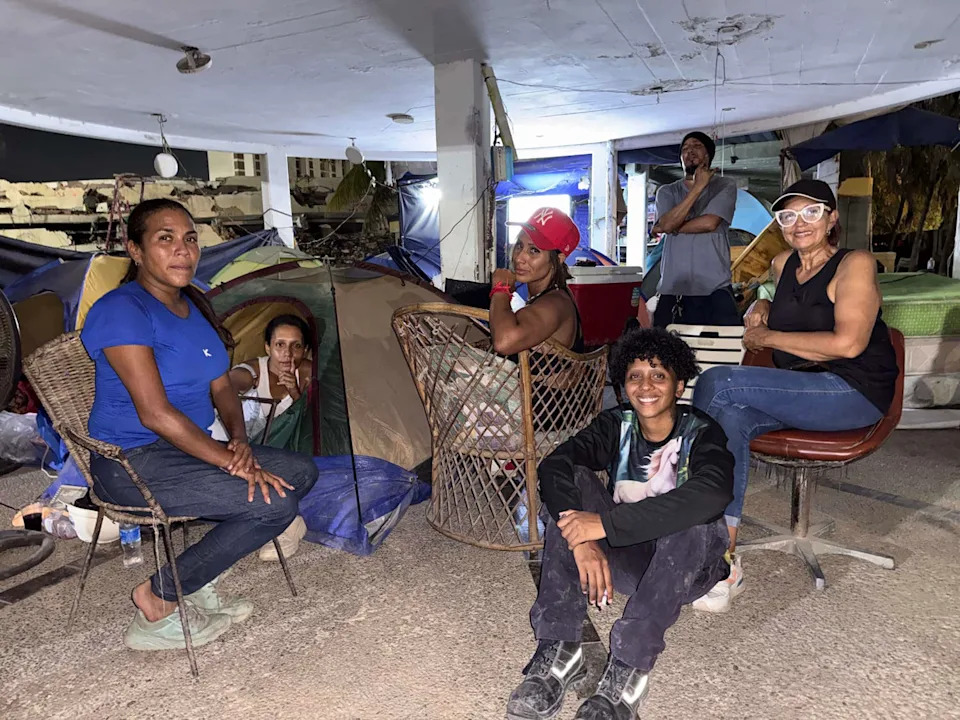
Living in a camp at the Residencias Caribe in La Guaira, where one of three towers collapsed completely. (Julimar Valentina Rivas Pérez)
"I never left her alone while she was alive... no matter what happened, I was always there for my mother," Verdú told reporters. "If they demolish the building with my mother's remains inside, I will go back — even among the rubble."
Volunteers Keep Digging
Across La Guaira, at Residencias Caribe — a complex of three towers where one collapsed entirely and two were heavily damaged — volunteer rescuers and residents have become the frontline search teams. They estimate more than 70 sets of remains may still be inside the complex, although official missing-person counts are lower. Neighbors suggest the discrepancy may reflect families who never reported relatives missing or entire households lost with no one left to register them.
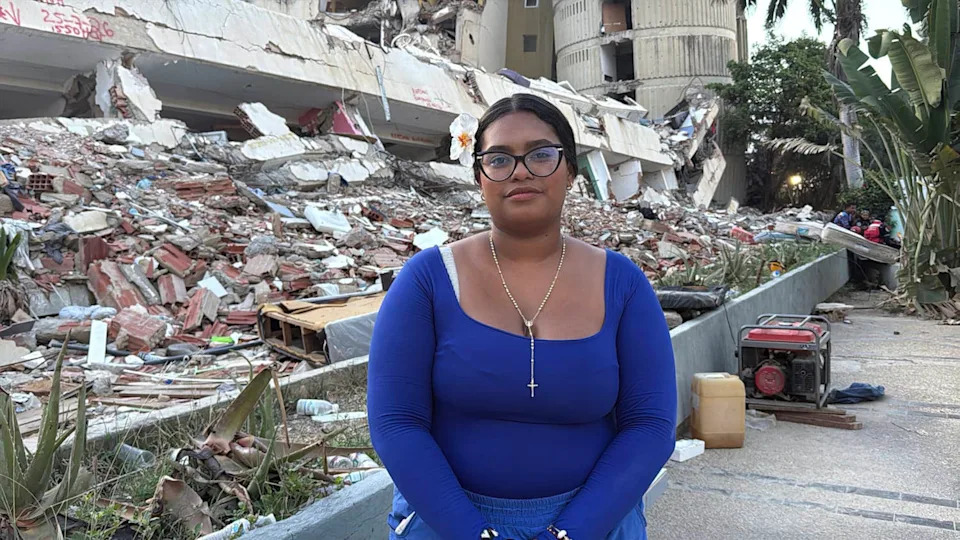
Valeria Alcalá is looking for her mother at Residencias Caribe. (Julimar Valentina Rivas Pérez)
Volunteer rescuers such as Marcel Hernández, a former construction worker, and 20-year-old Yessamin "La Topito" Medina have spent weeks breaking slab after slab and removing debris by hand. Hernández says he recovered members of his own family before staying to help others: "We started with a pickax — breaking slab after slab. To this day, I haven't stopped searching." Medina founded a local volunteer effort, Puente de Esperanza (Bridge of Hope), to coordinate volunteers working in tight, waterlogged spaces.
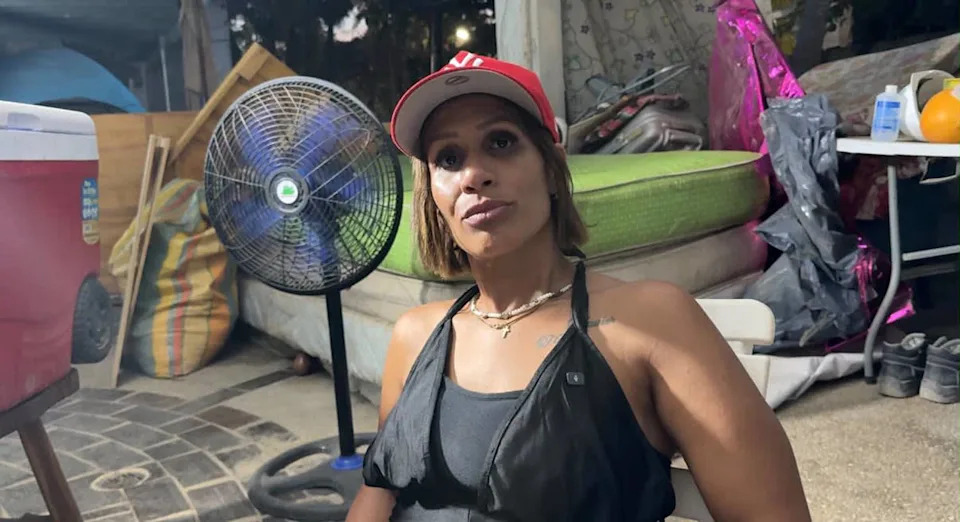
Nayibe Geromes hopes to find the remains of her mother to give her "eternal rest." (Julimar Valentina Rivas Pérez)
Flooding in lower floors has compounded the difficulty. Pumps are required to lower water levels so teams can safely access submerged areas; a lack of heavy machinery and specialized equipment means most work is manual and slow.
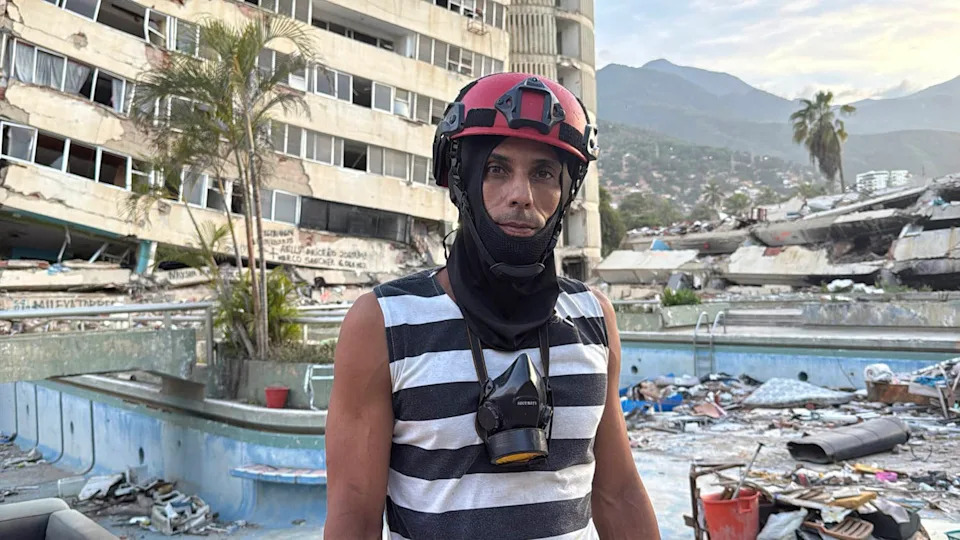
Marcel Hernández stayed behind to help neighbors pull their loved ones from the rubble after he recovered the remains of his cousin and his family. (Julimar Valentina Rivas Pérez)
Lives on Hold, Grief and Determination
Many survivors now live in encampments near the ruins. Angie Sojo, who has been searching for her husband, sleeps in a tent with her 20-year-old daughter and other neighbors. Eighteen-year-old Valeria Alcalá has remained at Residencias Caribe daily, still looking for her mother after her stepfather’s body was recovered a month after the quake. Nayibe Geromes searches for her 64-year-old mother and points to recovered personal items — a wallet, ID and phone — as proof her mother was inside the tower.
The emotional toll is immense: identification of recovered remains is agonizing, yet families describe a bittersweet relief when bodies are found because it allows for proper burials and some measure of closure. For many, the search has become a lifelong promise.
"My mom deserves rest... we will be here until the very end," said Geromes.
An earlier version of this story first appeared on Noticias Telemundo; this article was originally published on NBCNews.com.
Help us improve.