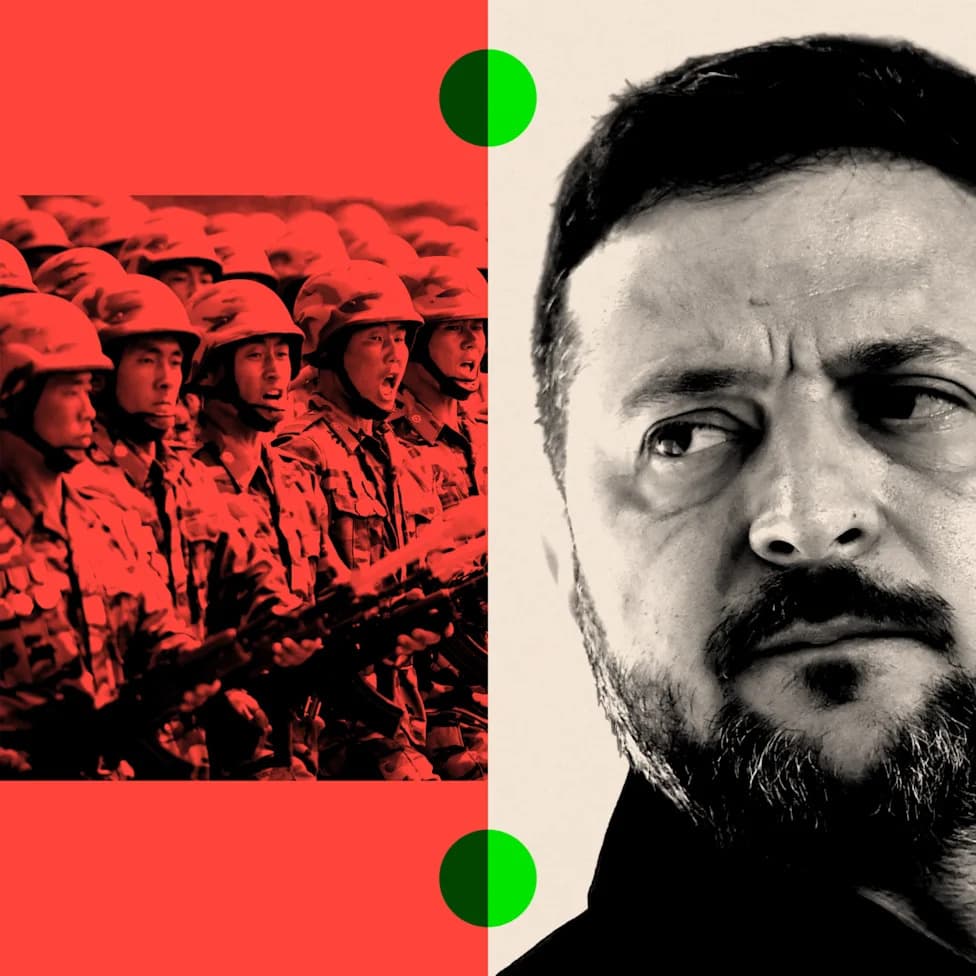
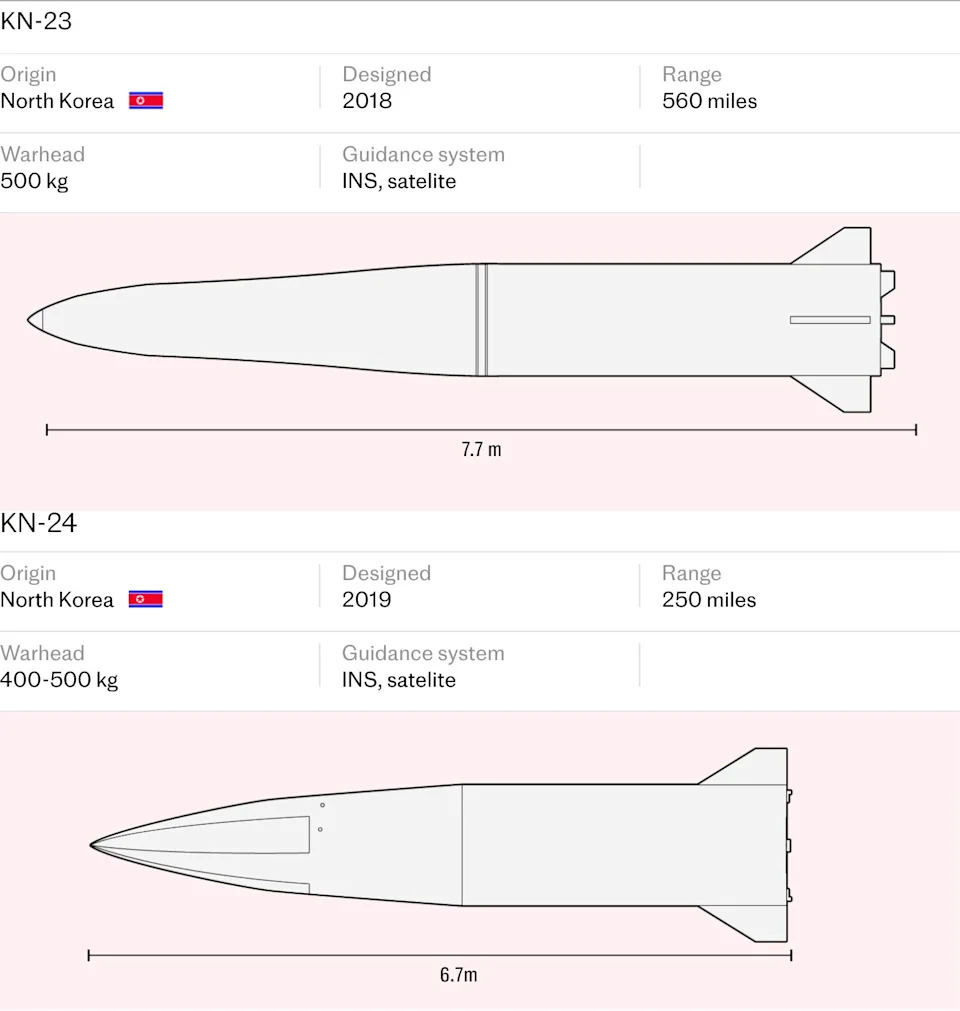
North Korea has expanded its military cooperation with Russia, supplying KN-23 and KN-24 ballistic missiles that were used in strikes on Zaporizhzhia and reportedly providing large quantities of ammunition and personnel. Kyiv warns Pyongyang may deploy up to 50,000 troops and a missile unit that could include 120 missiles and six launchers. The deepening ties bring immediate benefits — munitions, manpower and revenue — while raising serious regional security concerns as North Korea gains battlefield experience and access to new technologies.
Putin on the Ropes — Kim Jong-un’s Military Lifeline Deepens Russian Campaign
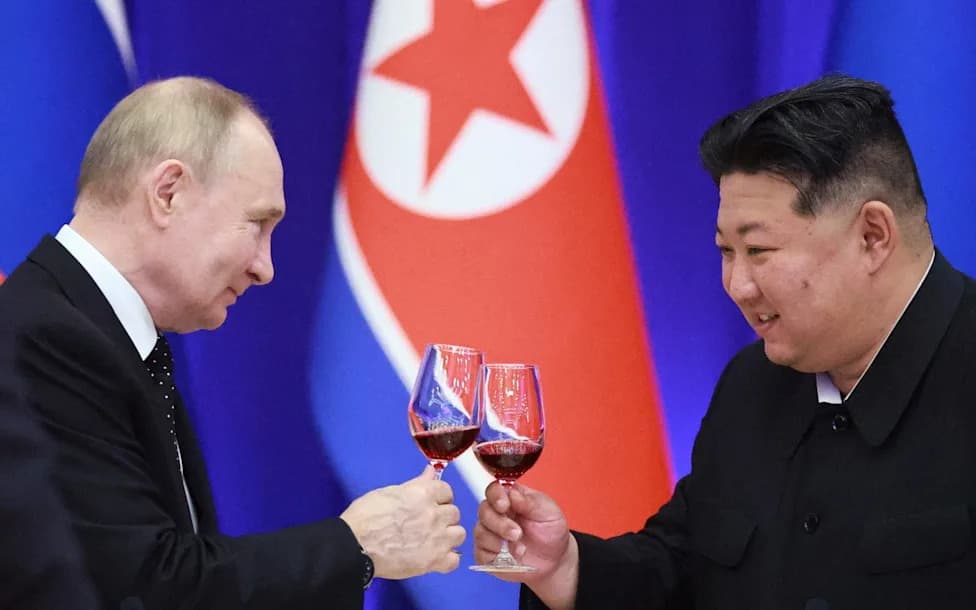
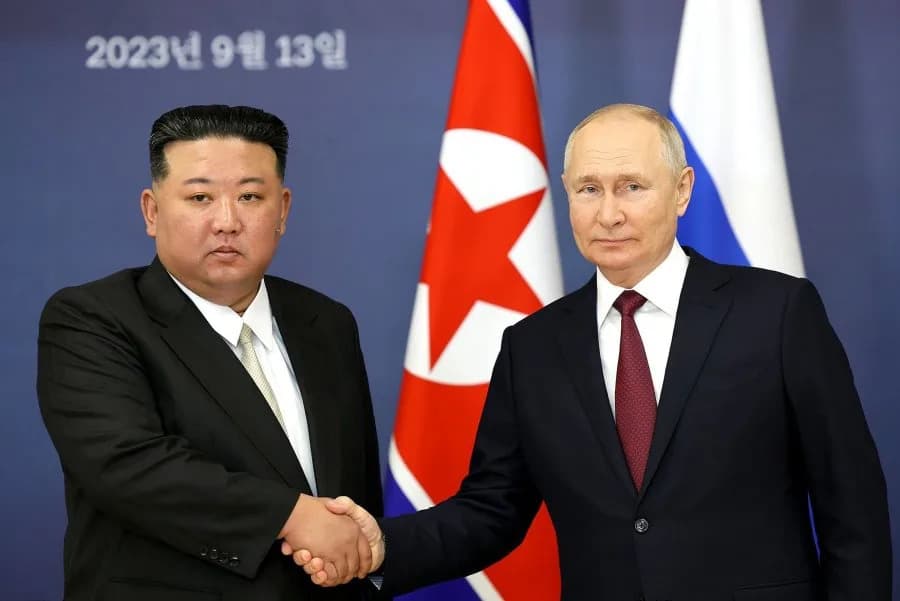
Once tight-lipped about their burgeoning military alliance, Moscow and Pyongyang now openly flaunt it - Vladimir Smirnov/AFP
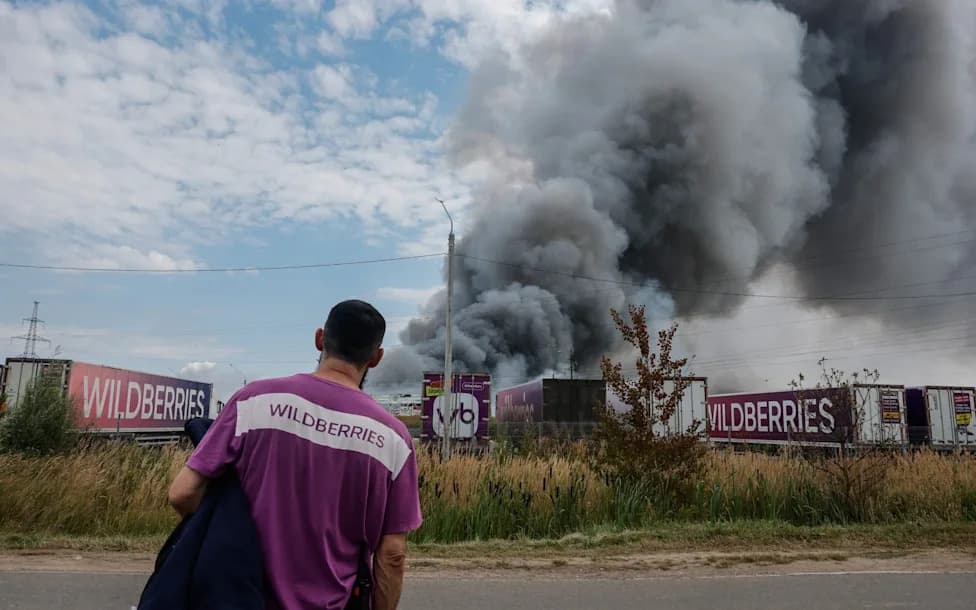
The sharp cracks and tremors of ballistic weapons tearing through Zaporizhzhia's streets before dawn were grimly familiar — but this time the strikes included an unusual new element: missiles supplied by North Korea. The south-eastern frontline city, already battered by near-daily aerial attacks, suffered additional devastation when KN-23 and KN-24 missiles were fired into its densely populated neighbourhoods.
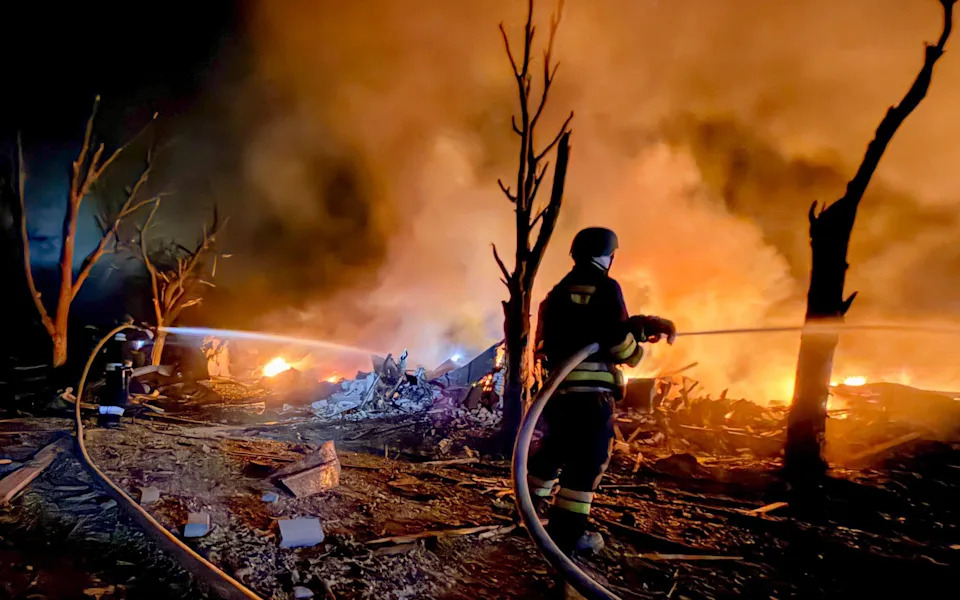
A firefighter battles a blaze after a Russian missile attack in Zaporizhzhia, Ukraine, on Tuesday - Daryna NaumovaEPA/Shutterstock
Strikes, Casualties and Immediate Impact
Local authorities reported six people killed and 19 injured in the attacks. President Volodymyr Zelensky described the strikes as a 'vicious attack calculated to inflict maximum damage specifically on civilian infrastructure.' Emergency crews battled fires and frontline medical services treated the wounded amid renewed fears about escalating firepower being used against Ukrainian cities.
North Korea's Expanding Role
After a year-long pause, Pyongyang has resumed shipments of ballistic missiles to Moscow and has reportedly allowed their use in recent strikes. Kyiv and Western intelligence sources say North Korea has supplied vast quantities of ammunition, several dozen missiles, labourers, and thousands of soldiers to support the Kremlin's campaign.
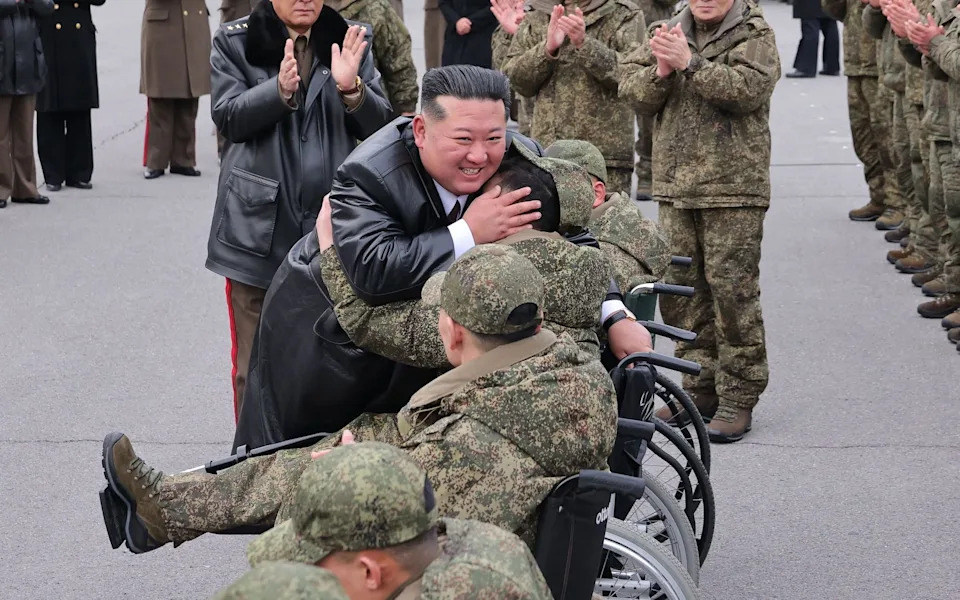
Kim Jong-un welcomes injured soldiers back to North Korea after sending them to fight for Russia in Ukraine - KCNA via KNS/AFP/Getty
'The more North Korean strikes there are here in Ukraine, in Europe, the more their missiles and soldiers are used, the more they correct their shortcomings and blind spots,' Mr Zelensky warned, noting the broader regional consequences for Japan, South Korea, the Philippines and others.
What Moscow Gains — And What Pyongyang Gains
For President Vladimir Putin, North Korea's shipments provide immediate relief: munitions to sustain bombardments, manpower that could ease domestic pressure for mass mobilisation, and potential logistical help via a new road link between the two countries. Ukrainian officials warn a North Korean missile unit has begun deploying in Russia's Voronezh region and could be equipped with as many as 120 ballistic missiles and six launchers.

An image published by Ukraine, said to be of a North Korean soldier sent to fight for Russia
For Kim Jong-un, the partnership yields battlefield data, hard currency and access to modern military technologies and tactics. Analysts note North Korea may be using the conflict as a field to test weapons and train troops under real combat conditions. Ankit Panda of the Carnegie Endowment observed that Pyongyang is 'exposing the Korean People's Army to modern warfare' by participating alongside Russian forces.
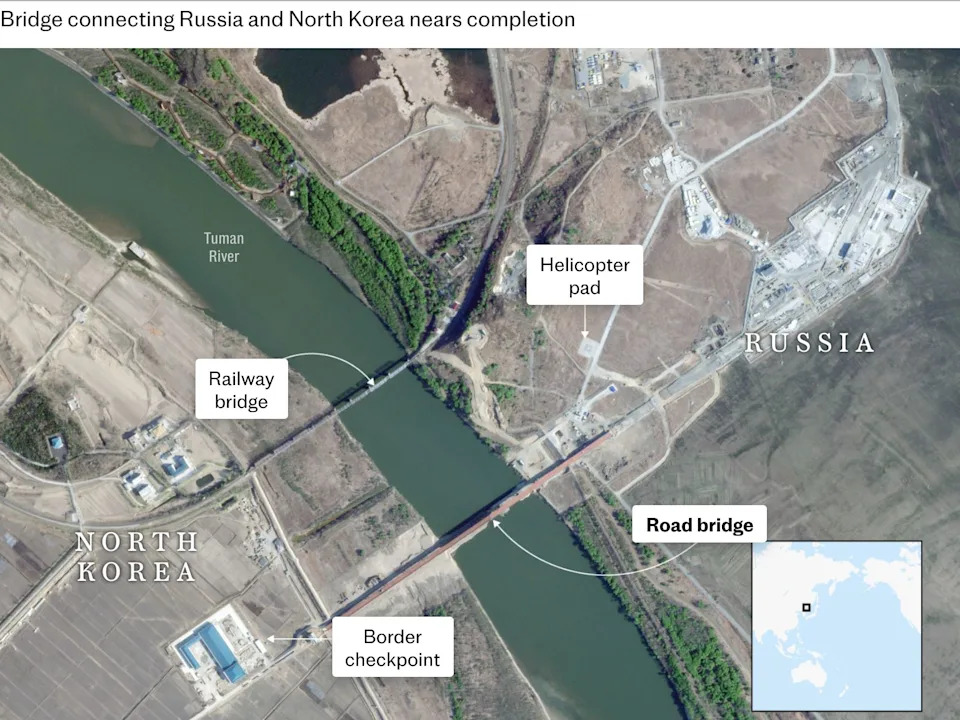
1208 Tumangang to Khasan Rd Bridge – sat map
Logistics, Finance and Growing Visibility
By the end of 2025, Ukrainian officials estimate Pyongyang met roughly half of Moscow's demand for 122mm and 152mm artillery ammunition. Bloomberg has reported that North Korea earned an estimated $22 billion between 2022 and 2025, largely from arms exports tied to the conflict. A new bridge — the first road link between Russia and North Korea, a little over half a mile long according to Russian state media — could increase trade and serve as a supply route for further military shipments.

Sign up to the Cables newsletter
Regional Risks and Geopolitical Consequences
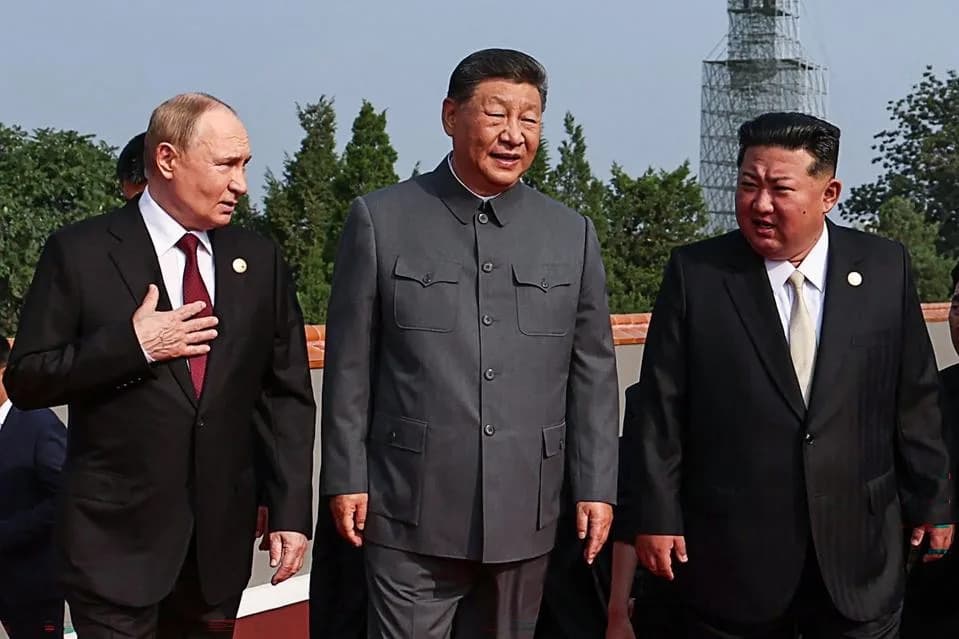
Western and regional leaders have warned that battlefield experience, technical data and equipment transfers could make North Korean forces and weapons more capable and dangerous in East Asia. Dr Edward Howell of Oxford noted Pyongyang's intention to diversify patrons and play Moscow and Beijing against one another — an approach he described as 'strategic delinquency.'
Moscow and Pyongyang have also moved from secrecy to public displays of their cooperation, erecting memorials to North Korean fighters killed while supporting Russian forces. Kyiv and its allies are monitoring the situation closely, warning of long-term implications for regional security if the partnership continues to deepen.
Key facts: KN-23 and KN-24 missiles have been used in strikes on Zaporizhzhia; Kyiv reports possible deployment of up to 50,000 North Korean troops; a North Korean missile unit may be operating in Voronezh with up to 120 missiles and six launchers; Pyongyang supplied a substantial share of Russian artillery ammunition by late 2025; and a new Russia–North Korea road bridge could expand logistics and trade.
Help us improve.