Postcard Scam Alert: The Better Business Bureau warns that postcards promising $309.64 in gas and grocery vouchers — often using the name AAPP and personalized claim codes — may be scams. Recipients report being asked to pay small fees and then discovering unauthorized charges, subscription enrollments or never receiving the vouchers. The BBB and FTC advise verifying companies independently, never paying upfront fees for unexpected prizes, and reporting fraud to banks, local police, BBB Scam Tracker, the FTC and the U.S. Postal Inspection Service.
Warning: Postcards Promising $309.64 in Gas & Grocery Vouchers May Be a Scam
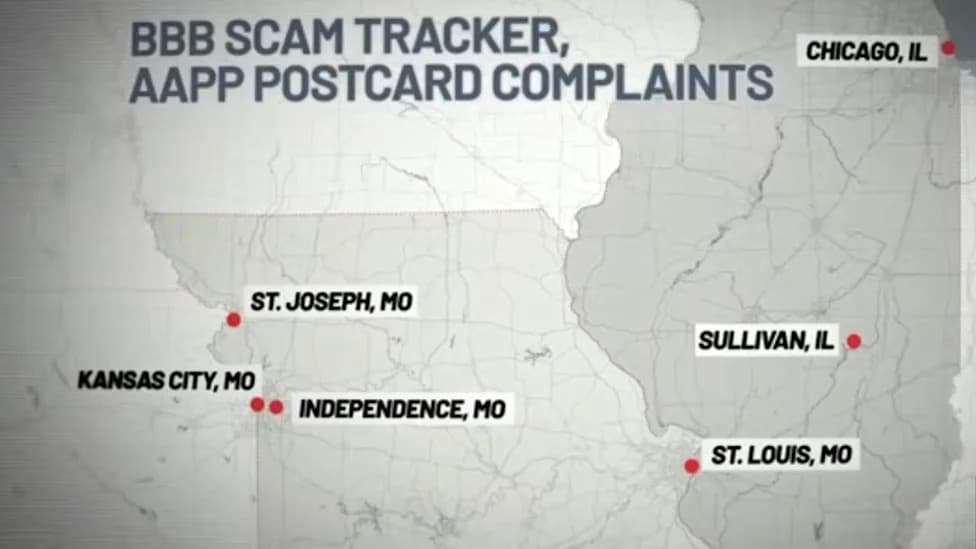
Image Credit: KMOV St. Louis/YouTube.
Postcards arriving in mailboxes that promise $309.64 in grocery and gas vouchers — often signed with the name "AAPP" and including a personal claim number, phone number and QR code — have prompted multiple complaints to the Better Business Bureau. The BBB warns that responding can lead to small upfront fees, unexpected charges, enrollment in recurring subscriptions or no reward at all.
What To Know
The mailers use urgent language (for example, saying the vouchers will be "automatically forfeited" unless claimed immediately) and include details that make them look legitimate: barcodes, tracking-style numbers, permit markings and personalized claim codes. Because they arrive as physical mail rather than a text or pop-up, recipients may be less suspicious and more likely to follow the call-to-action.
How The Scheme Typically Works
1) A postcard arrives with the AAPP name, a claim number and instructions to call or scan a QR code.
2) When the recipient responds, they are asked to pay a small processing, activation, shipping or handling fee (often $5.00–$6.00).
3) After providing card information, victims report additional unauthorized charges, enrollment in recurring monthly subscriptions, or never receiving the promised vouchers.
Reported Examples
The complaints have come from multiple U.S. cities including St. Louis, St. Joseph, Kansas City and Independence (Missouri), as well as communities in Illinois, Michigan and Ohio. Specific reports include an O'Fallon, Missouri resident who received a postcard warning of "automatic forfeiture" and a Litchfield, Michigan recipient who said the mailing listed a Tampa permit and looked like ordinary business correspondence despite no prior relationship with AAPP.
In a Toledo, Ohio complaint, a caller says they were told a $5.95 payment was required before the $309.64 voucher would be released. Other consumers reported seeing additional charges such as $44.79 and $38.40 after the initial fee, or having calls disconnected and being given numbers for unrelated businesses when they sought help.
Why Authorities Are Concerned
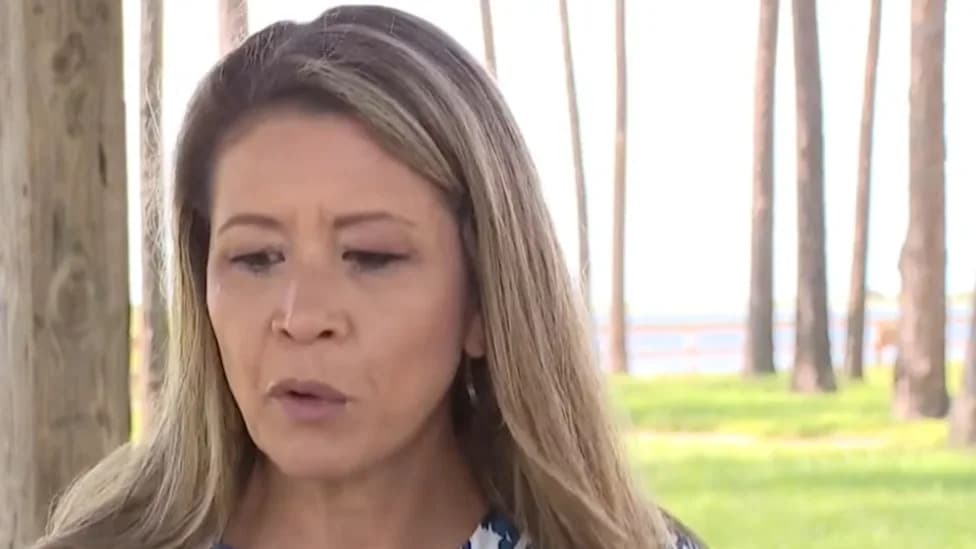
The Better Business Bureau issued a scam alert on July 30 after collecting multiple reports about these postcards. BBB spokesperson Sarah Wetzel told First Alert 4 that the initial fee request is usually small — which lowers resistance — but the worse outcomes appear after consumers hand over payment or card details.
The Federal Trade Commission reminds consumers that legitimate prizes do not require upfront fees to collect them and cautions against giving credit-card, bank-account or other sensitive personal information to claim an unexpected prize. The FTC also advises against scanning unfamiliar QR codes simply because they appear on mail that looks professional.
What To Do If You Receive One
Do not pay any fee or provide payment/card details to claim a prize or reward you did not expect. Independently verify the company by searching its name and checking business profiles, complaints and BBB Scam Tracker reports. If you have already lost money, contact your bank immediately to dispute charges, report the incident to local police, and file reports with:
- BBB Scam Tracker (bbb.org/scamtracker)
- Federal Trade Commission — ReportFraud.ftc.gov
- U.S. Postal Inspection Service (for mail-based fraud)
Takeaway
Physical mail can lend an air of legitimacy to scams. Treat unsolicited offers that demand immediate action or require an upfront fee with skepticism. If an offer sounds too good to be true — such as a guaranteed $309.64 voucher for a small handling payment — verify independently before responding.
Help us improve.