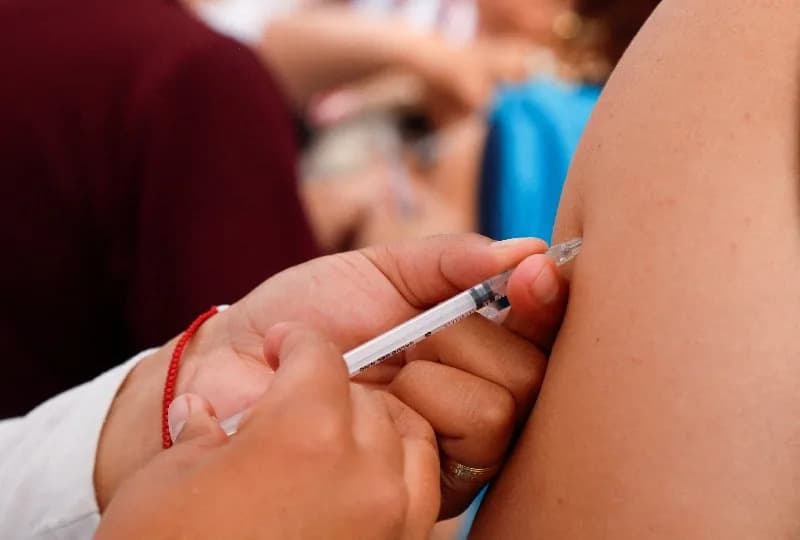
New analysis in The Lancet estimates vaccines prevented about 154 million deaths globally over the past 50 years, saving roughly six lives per minute. The WHO‑led study finds around 146 million deaths were averted among children under five — including about 101 million infants — and attributes roughly 40% of the decline in infant mortality since 1974 to vaccination. Immunization produced an estimated 10.2 billion years of full health, with measles and polio vaccines accounting for a large share of the gains. Researchers urge sustaining routine programs and reaching children who missed doses during the COVID‑19 pandemic.
How Vaccines Saved 154 Million Lives Over 50 Years, Finds The Lancet

(Dreamstime)
Vaccination programs have averted an estimated 154 million deaths worldwide over the past five decades, according to a landmark analysis published in The Lancet. The World Health Organization (WHO)–coordinated study, produced to mark the 50th anniversary of the Expanded Programme on Immunization (EPI), finds most of those saved were children — including about 101 million infants.
Key Findings
The researchers estimate immunization prevented roughly 146 million deaths among children younger than five, and that vaccination explains about 40% of the global decline in infant mortality since 1974. In WHO's African region, immunization accounted for more than half of the drop in infant deaths.
Beyond lives saved, the study estimates vaccination delivered an average of 66 additional years of full health for every death averted, producing roughly 10.2 billion years of healthy life across the 50-year period.
Impact By Disease
Among the vaccines evaluated, measles immunization had the largest effect on reducing infant mortality, responsible for about 60% of the lives saved through routine vaccination. Polio vaccination has also had dramatic effects: WHO estimates more than 20 million people who would otherwise have been paralyzed by polio are able to walk today because of immunization programs.
Ongoing Challenges
Despite these gains, millions of children remain inadequately protected. The analysis emphasizes the need to maintain and strengthen routine immunization systems and to prioritize outreach to children who missed vaccines during the COVID-19 pandemic.
"Thanks to vaccinations, more children now survive and thrive past their fifth birthday than at any other point in history," said UNICEF Executive Director Catherine Russell. "We must build on this momentum and ensure every child, everywhere, has access to life‑saving immunizations."
The study underlines immunization as one of the most impactful health interventions in modern history, with clear implications for sustaining funding, improving vaccine delivery, and closing coverage gaps worldwide.
Help us improve.