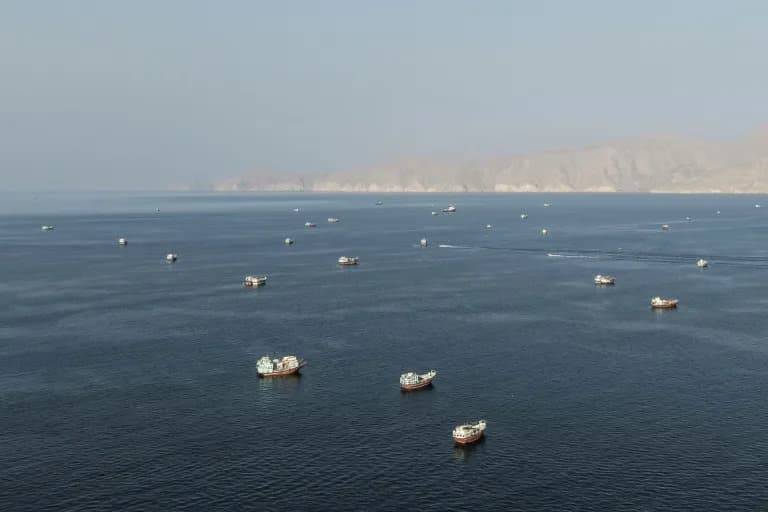
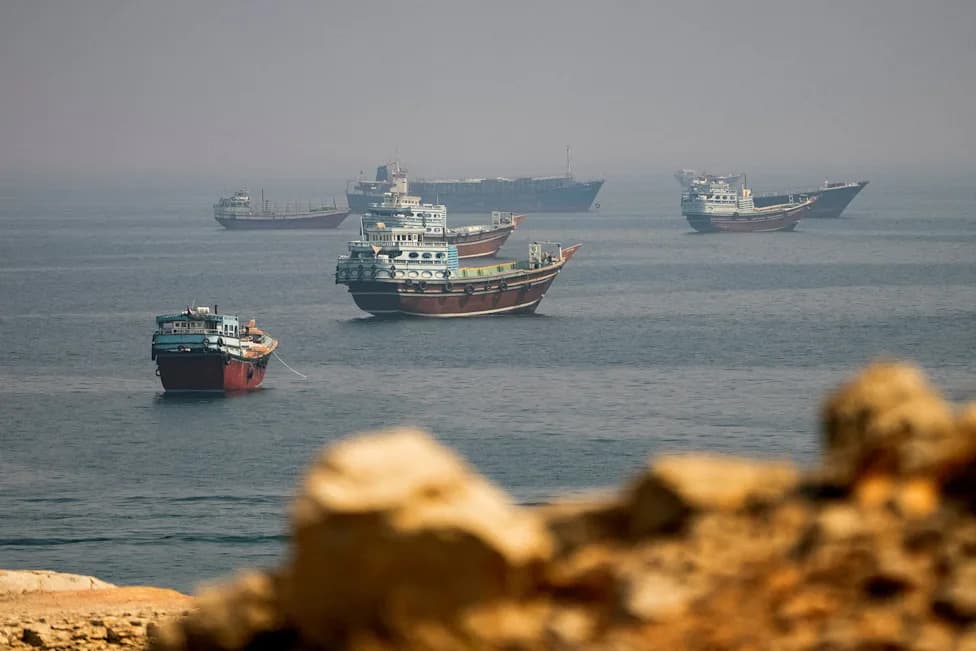
Regional neighbours and mediators report hopeful signals toward a deal over the Strait of Hormuz, even as Iran and the United States keep adding demands and exchanging hostile acts at sea. Iran has set six conditions to reopen the strait; the U.S. has replied with its own compensation demands. The Strategic Petroleum Reserve has fallen below 300 million barrels for the first time since 1983, leaving roughly a three-month cushion at current drawdown rates. The most meaningful sign of progress would be either side removing, rather than piling on, demands.
Neighbors Say a Hormuz Deal May Be Near — U.S. Strategic Oil Reserve Ticks Toward a Critical Low
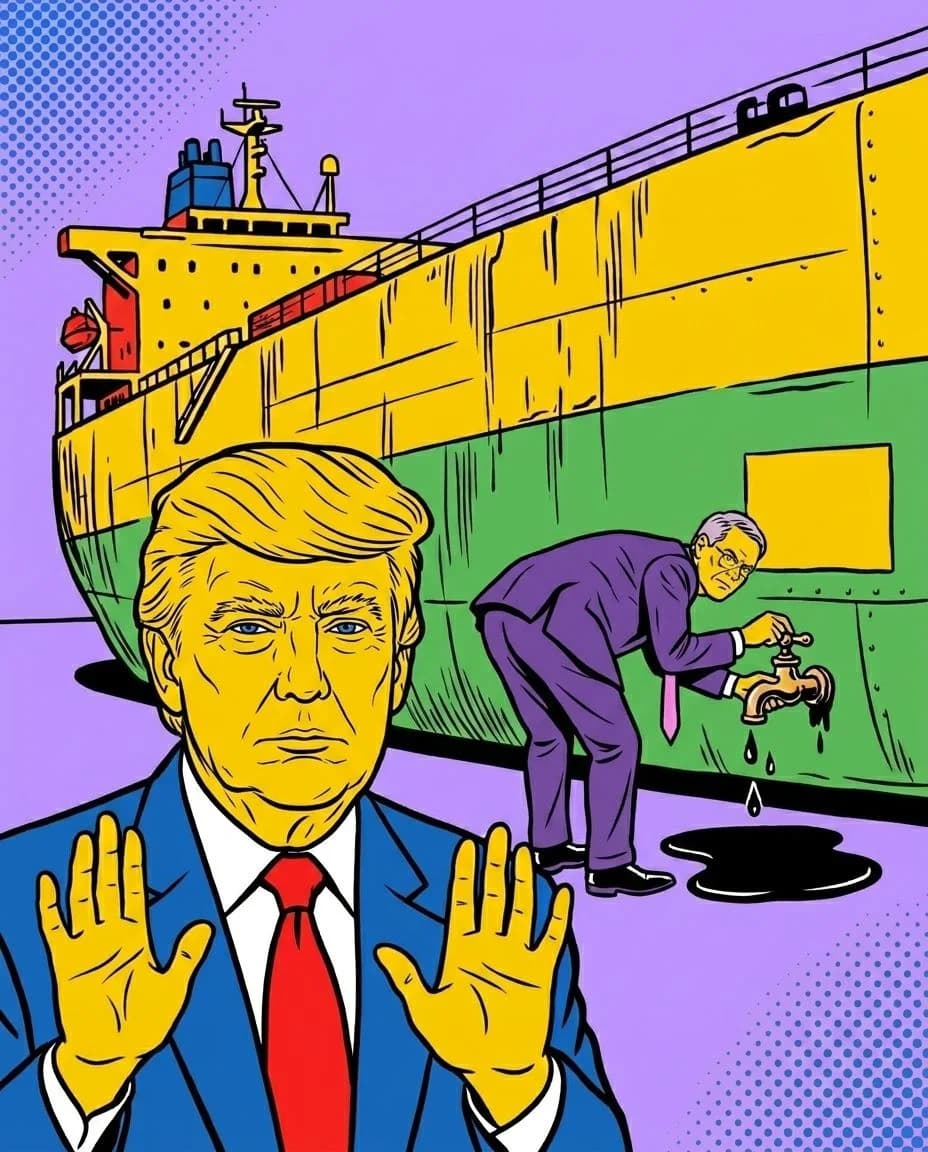
Neighbors Say a Hormuz Deal Is Close, U.S. Oil Reserves Need That to be True - Moby
Residents and regional mediators woke on Tuesday hopeful that talks over the Strait of Hormuz could be advancing, even as Tehran and Washington continued to add conditions and trade hostile actions at sea. Pakistan signaled optimism, Qatar described the discussions as reaching a "critical juncture," and Oman is drafting alternative shipping lanes — while both governments at the center of the crisis expanded their lists of demands.
Diplomatic Signals and Escalating Demands
Khawaja Asif, Pakistan's defence minister, told reporters in Islamabad that recent signals suggest the parties may be close to an arrangement, though he did not elaborate. Pakistan's interior minister, Mohsin Naqvi, has traveled to Tehran to meet his counterpart, according to Fars, and Qatar says talks between Iran and Oman have reached a critical stage.
At the same time, Tehran and Washington have been publicly hardening positions. Mohammad Bagher Zolghadr, secretary of Iran's Supreme National Security Council, laid out six conditions for reopening the strait: lifting the naval blockade, ending sanctions, withdrawing U.S. forces from the region, paying reparations, releasing frozen Iranian assets and stopping strikes on Iran's regional allies. The U.S. response included a demand for compensation from Iran — including payments to families of protesters killed over decades — a condition Tehran is unlikely to accept.
Incidents at Sea
Hostilities at sea continued. Early Tuesday, U.S. forces fired on a Panama-flagged vessel attempting to run the blockade, according to the Wall Street Journal; U.S. Central Command had no immediate comment. Separately, the United Kingdom Maritime Trade Operations center logged an incident involving a tanker and military forces in the Gulf of Oman and warned mariners to remain alert.
Iran's foreign ministry spokesman, Esmail Baghaei, pushed back against assertions that sanctions were crippling Iran, describing Washington's repeated escalation of sanctions as a "compulsive addiction."
Why the Standoff Is So Hard to Break
The impasse is structural: Washington says its naval presence is the guarantee of access, while Tehran argues that the presence itself prevents a safe reopening. Either side conceding would be tantamount to a sweeping retreat, so demands have accumulated rather than been pared back.
U.S. Strategic Petroleum Reserve: A Weekly Countdown
Beyond diplomacy and maritime skirmishes, a pressing factor is the U.S. Strategic Petroleum Reserve (SPR). The Department of Energy reported the SPR fell by 6.1 million barrels to 298.7 million barrels — the first reading below 300 million barrels since January 1983. The reserve held roughly 415 million barrels the day before the war started, and an administration decision in March released about 172 million barrels.
Context and constraints matter: the SPR's authorized capacity is 714 million barrels, and its operational minimum is roughly 70 million barrels. A Government Accountability Office report in May found more than a quarter of the inventory could not be drawn as of December because of construction outages and failed caverns, effectively rendering at least 103 million barrels unavailable.
If planned releases proceed to the end of the current drawdown, projections suggest the SPR could drop to roughly 243 million barrels, leaving maybe 140 million barrels that are readily usable and only about 70 million barrels above the operating floor. At recent withdrawal rates of roughly 21 million barrels per month, that equates to a cushion of about three months — a narrow buffer should hostilities impede global oil flows.
What To Watch
The decisive signal will be whether either Tehran or Washington subtracts a demand instead of adding one. A meaningful concession — such as Iran abandoning calls for reparations or the U.S. quietly narrowing the blockade — would be a far stronger indication of progress than optimistic statements from neighbours. Keep an eye on weekly SPR updates: the reserve now functions as a public countdown clock that updates every Monday.
Bottom line: Neighbours and mediators are reporting hopeful signs, but the central actors continue to escalate demands and exchanges at sea. With SPR levels slipping below historical thresholds, the stakes extend from regional diplomacy to global energy security.
Help us improve.