Tens of thousands of drifting tuna-aggregation devices are entering protected waters worldwide, posing physical damage and entanglement risks to marine life. A recent study found at least 6,324 dFAD strandings in 174 protected areas (161 MPAs and 13 shark sanctuaries) across 53 jurisdictions. Hotspots include French Polynesia, Seychelles and the Maldives, and affected sites overlap habitat for at least 490 at-risk species. Researchers recommend open tracking data, deployment limits, mandatory registration, lifetime tracking and retrieval deposits to reduce future impacts.
Drifting Tuna Gear Has Stranded in 174 Marine Sanctuaries — A Global Threat to Reefs and Wildlife
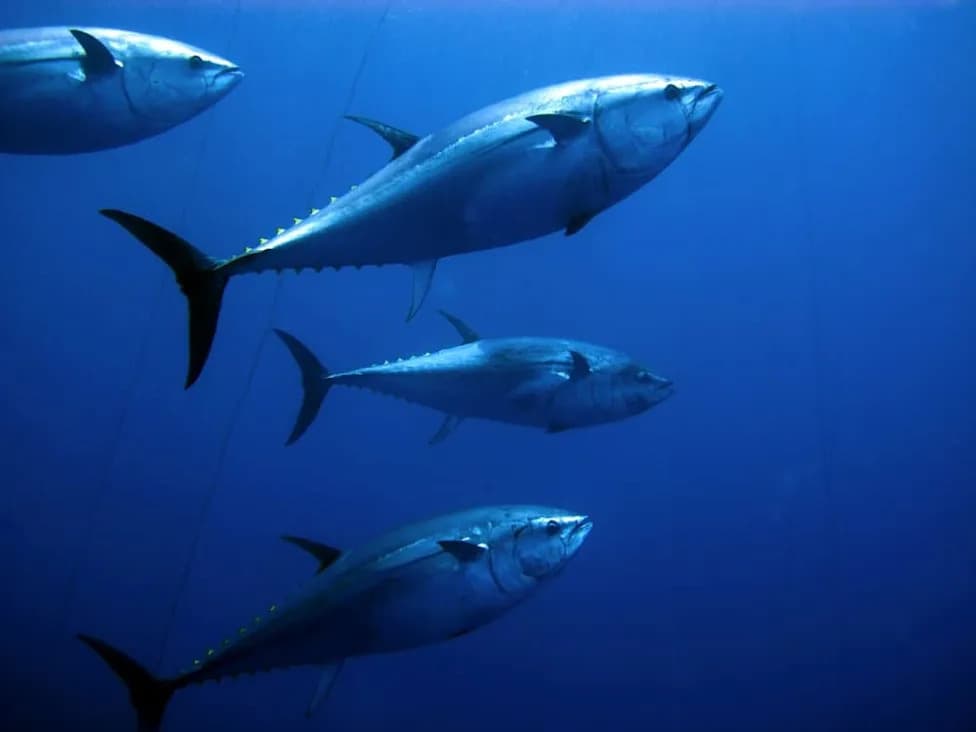
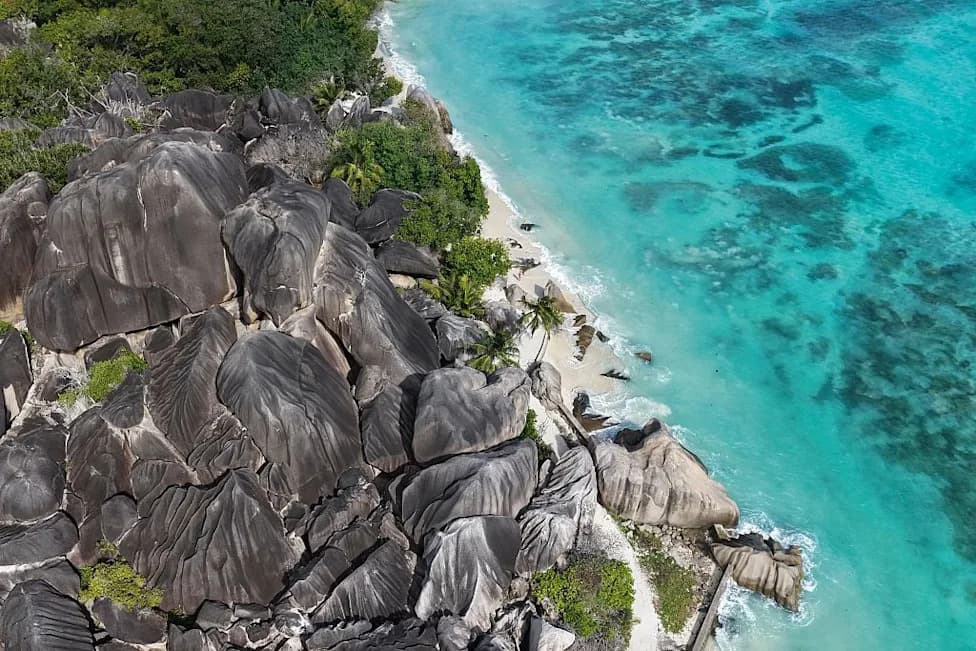
© Guido Montaldo/Shutterstock.com
Commercial tuna fleets commonly deploy drifting fish-aggregation devices (dFADs) — floating rafts made from bamboo, netting or synthetic materials — to attract tuna and make schools easier to locate and catch. While effective for fishing, these devices do not obey maritime boundaries: currents and wind can carry them far from deployment sites and into protected marine zones.
New Study: Widespread Strandings in Protected Areas
Researchers recently documented at least 6,324 dFAD strandings inside 174 protected marine areas, including 161 Marine Protected Areas (MPAs) and 13 shark sanctuaries across 53 maritime jurisdictions. The analysis adds to earlier work estimating roughly 1.41 million dFADs were deployed globally between 2007 and 2021 and that dFADs have drifted across more than one-third of the world's oceans.
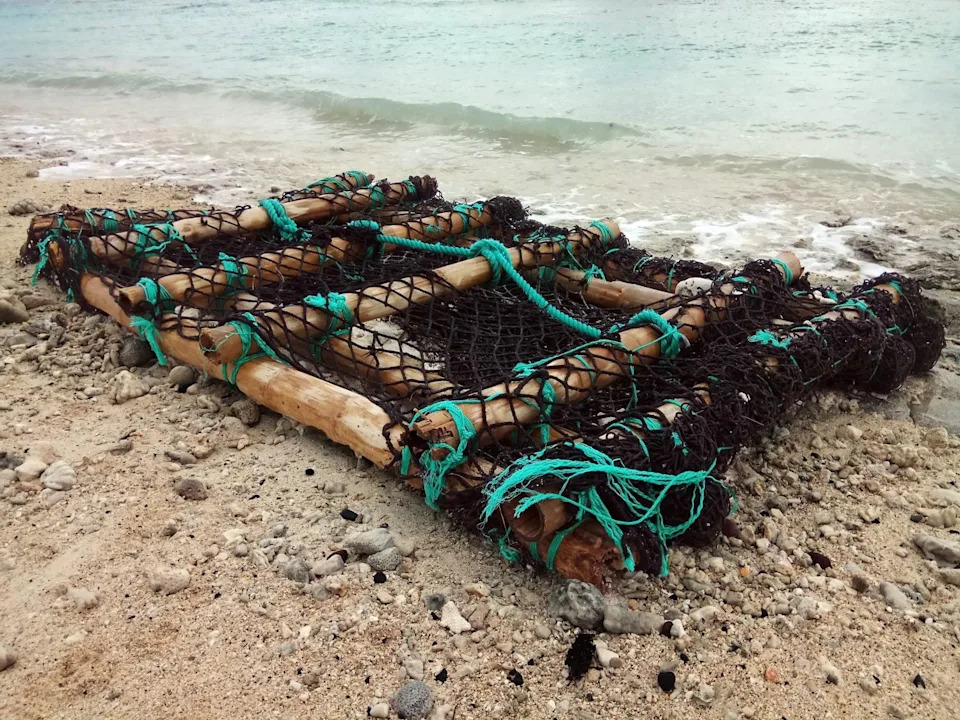
A handmade fishing aggregation device washed ashore in the Cook Islands.©RaroLens2/Shutterstock.com
Hotspots and Local Burdens
Regions with especially high dFAD activity near protected areas include the western and central Pacific, the western Indian Ocean and the Caribbean Sea. Country-level strandings reported in the study include French Polynesia (1,539), Seychelles (1,404) and the Maldives (746). About 30% of affected protected areas lie within small island developing states, which often bear the cleanup and disposal costs despite limited budgets and capacity.
“We were surprised to find that FADs appear to affect more than half of the world's protected marine areas, and that impacts often occurred thousands of kilometers from the original fishing grounds,” said study co-author Boris Worm, a marine ecologist at Dalhousie University.
How dFADs Harm Ecosystems
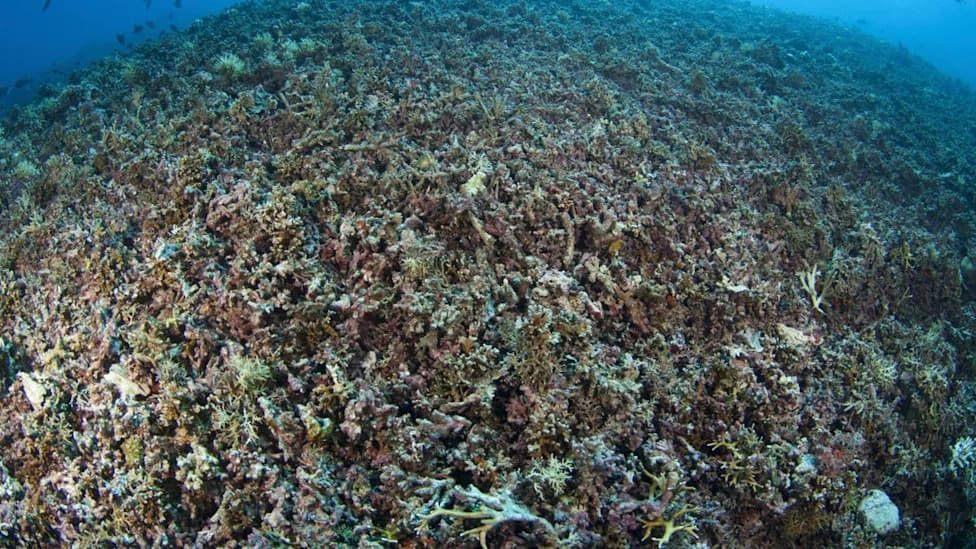
Unlike vessels that can avoid MPAs, dFADs drift indiscriminately. When they become lodged on shallow coral reefs, wave and current action can abrade and break fragile coral structures. The floating netting and appendages present entanglement risks for turtles, sharks, rays and other animals; the 174 affected protected areas overlap habitats for at least 490 at‑risk species.
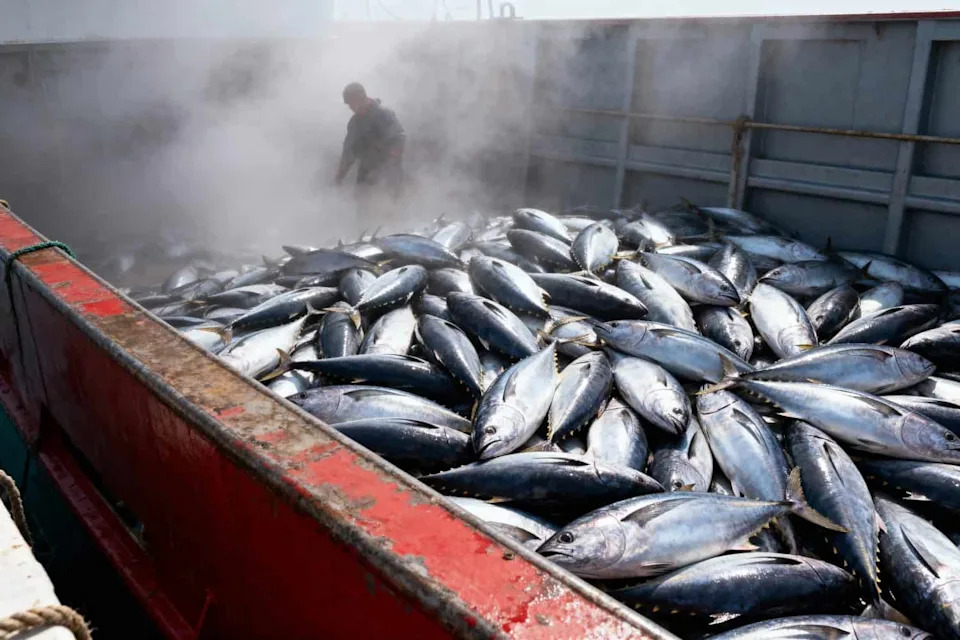
Commercial tuna fishing is a large contributor to dFADs in the world's oceans.©ZeiMomArt/Shutterstock.com
Even dFADs built with biodegradable components can leave persistent pollution: tracking buoys and onboard electronics are typically plastic and non-biodegradable, adding debris and electronic waste to reefs and shorelines.
Challenges: Attribution and Abandonment
Tracing a stranded dFAD to a specific owner is often impossible. Homemade rafts look similar to commercial designs, and few jurisdictions require registration or visible marking for dFADs. Commercial operators sometimes switch off buoys when a device stops yielding fish, and multiple operators may use the same FAD at sea — all of which complicate accountability.
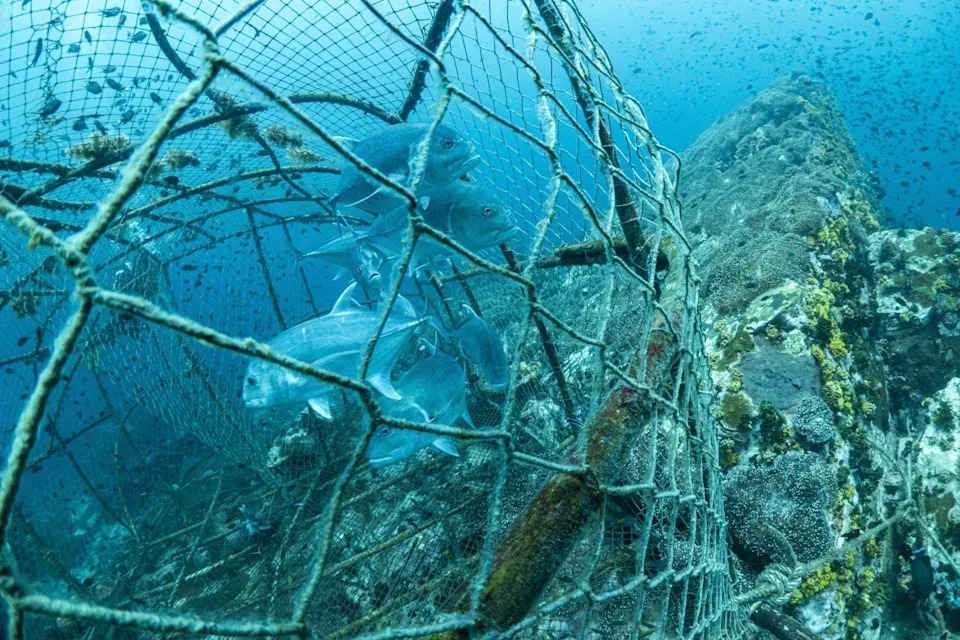
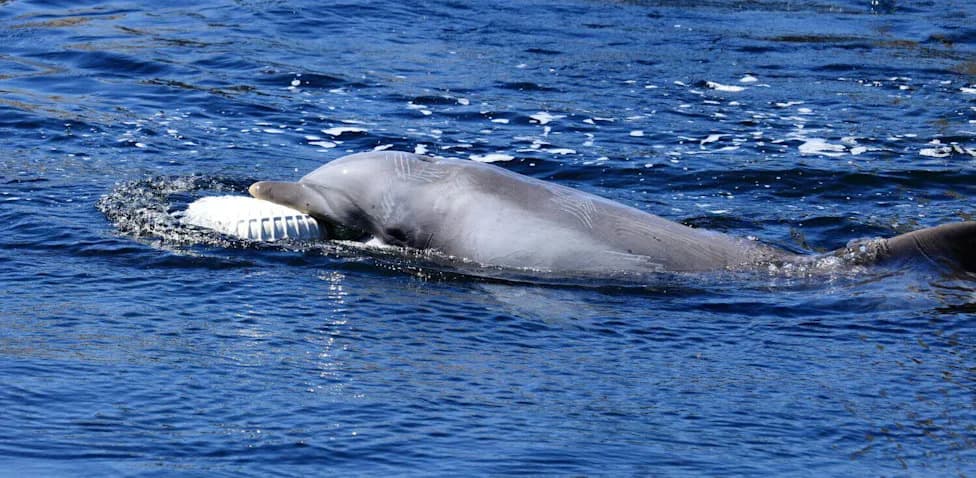
Discarded dFADs trap sea life and damage coral reefs.©OctShutter/Shutterstock.com
Proposed Solutions and Real-World Efforts
Researchers and managers recommend a suite of measures to reduce future strandings and increase responsibility:
- Open Tracking Data: Share real-time buoy locations with MPA managers to detect devices drifting toward sensitive areas.
- Deployment Limits and No-Zones: Cap the number of active dFADs and prohibit deployment upstream of protected areas.
- Marking and Registration: Require identifiers so responsibility for retrieval is clear.
- Lifetime Tracking: Mandate that tracking cannot be deactivated until the device is recovered.
- Retrieval Deposits: Charge refundable deposits to incentivize recovery of devices.
One practical example is the Seychelles-based FAD Watch program, which uses buoy data to alert local MPA managers when a device is heading toward shore, enabling preemptive retrieval. While this approach cannot recover devices with deactivated trackers, it demonstrates how improved access to data reduces strandings and damage.
What This Means
dFAD strandings represent a global, transboundary pollution and habitat-damage problem that disproportionately affects small island nations and fragile marine ecosystems. Addressing the issue will require international coordination, updated regulations, better transparency from fishing operations and investment in retrieval programs to protect reefs and vulnerable species.
Help us improve.