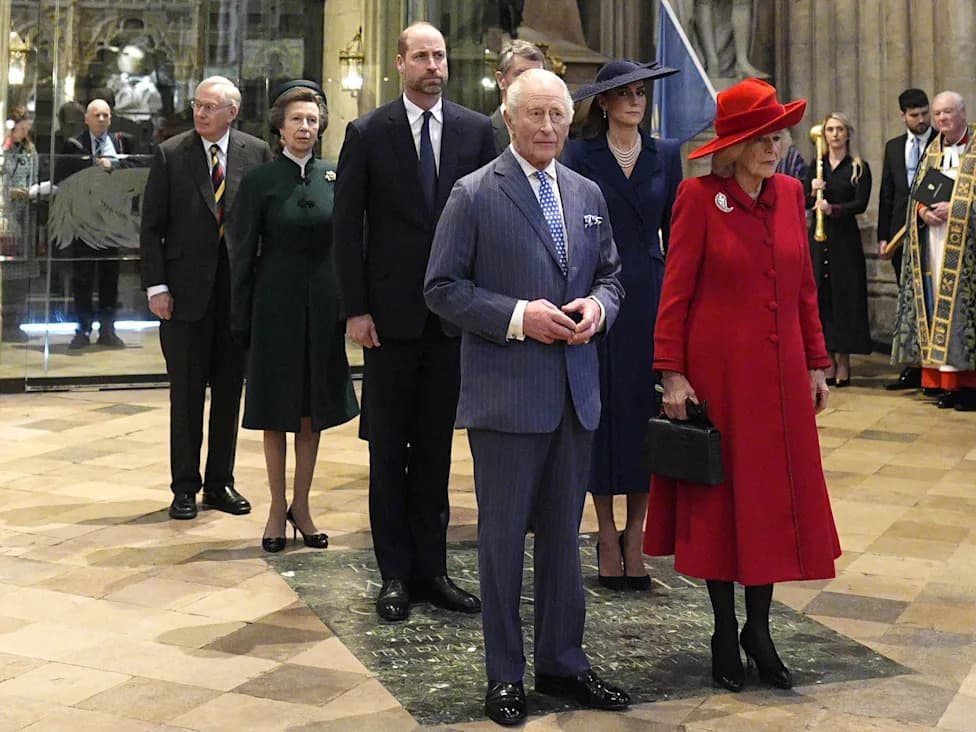
Reports say Andrew Mountbatten-Windsor remains on a confidential Cabinet Office register of "bridge plans" that outline ceremonial and logistical arrangements for senior royal deaths. Despite losing his titles and honorary military roles in 2025, sources suggest a ceremonial service could be held at St. George's Chapel with burial at Frogmore under existing protocols. The revelation has provoked criticism about the use of public resources; officials have not commented and the classified plans could be revised.
Why Prince Andrew Could Still Receive a Ceremonial Royal Funeral Despite Losing His Titles
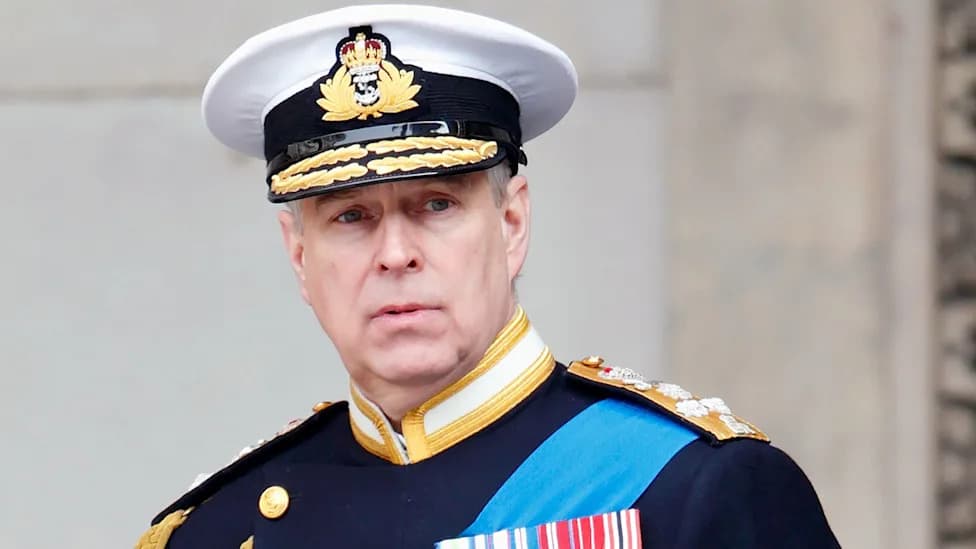
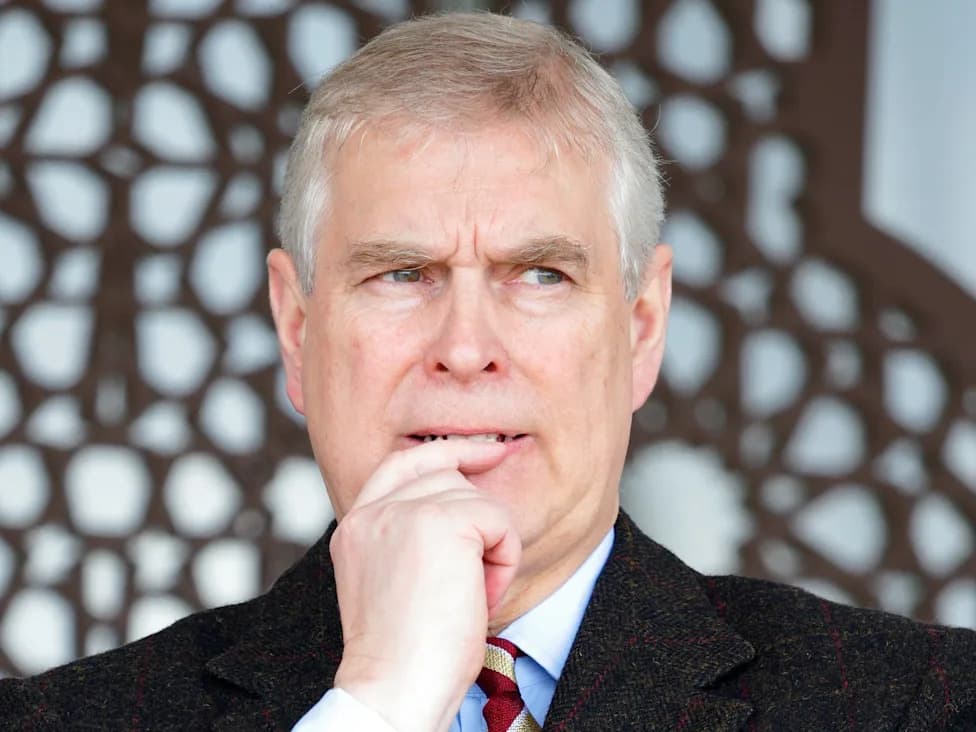
The surprising reason Prince Andrew could still receive a royal funeral despite losing his titles (Max Mumby/Indigo)
Reports say Andrew Mountbatten-Windsor — formerly Prince Andrew and the Duke of York — remains listed on a confidential government register that could see him given a ceremonial royal funeral even after King Charles removed his royal titles and honorary military appointments in 2025.
What Are the "Bridge Plans"?
Bridge plans are long-standing, classified contingency protocols maintained by the Cabinet Office to manage the logistics, security and media handling around the death of senior royals. The best-known example is Operation London Bridge, activated after Queen Elizabeth II's death in 2022; others include Operation Forth Bridge for the late Duke of Edinburgh.
Why Andrew Is Still On The Register
According to press reports, Andrew remains on a confidential list of senior royals covered by these plans because the registers are administrative documents drawn up years in advance and are not always updated automatically when a royal's public status changes. That administrative inertia, sources say, explains why his name reportedly persists on the register despite his 2025 loss of titles and duties.
Likely Arrangements Under The Reported Protocol
Reports indicate that, under existing contingency plans, a ceremonial service would likely take place at St. George's Chapel, Windsor Castle, followed by burial at the Royal Burial Ground at Frogmore, where many extended members of the Royal Family have been interred.
While Andrew was stripped of honorary military posts, he retains the service medals earned during his Royal Navy career (1979–2001), including a medal from the Falklands conflict. Retired officers have suggested that former colleagues might volunteer as pallbearers if a ceremonial military-style element were included.
Controversy And Scrutiny
The reports have reignited debate over whether and how ceremonial resources should be used for a royal who has been publicly disgraced. Critics argue that any use of public money, policing and ceremonial planning for a high-profile funeral would attract intense scrutiny, especially given Andrew's widely reported links to Jeffrey Epstein and his removal from public duties.
Official Position
Neither Buckingham Palace nor the Cabinet Office has publicly confirmed the reports. The bridge plans themselves remain classified, and sources emphasize that protocols and registers can be revised in future at the discretion of the government or the monarch.
Bottom line: Existing administrative contingency plans may still list Prince Andrew, but any final decision on ceremonial arrangements would rest with official authorities and could be changed.
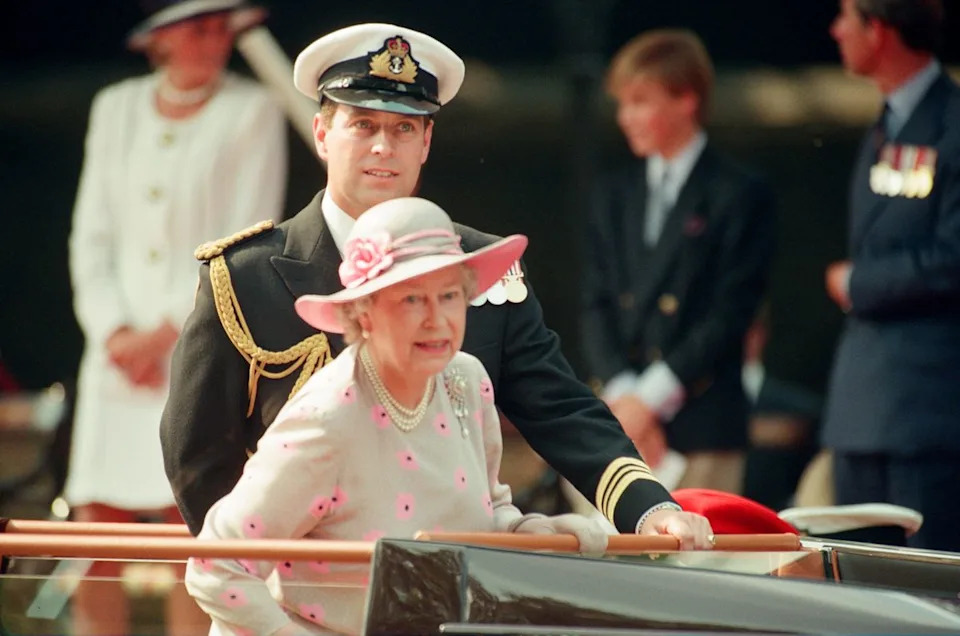
Queen Elizabeth II's death activated Operation London Bridge, one of the UK's secret royal funeral plans. Reports say Andrew remains covered by a similar protocol. (Mirrorpix)
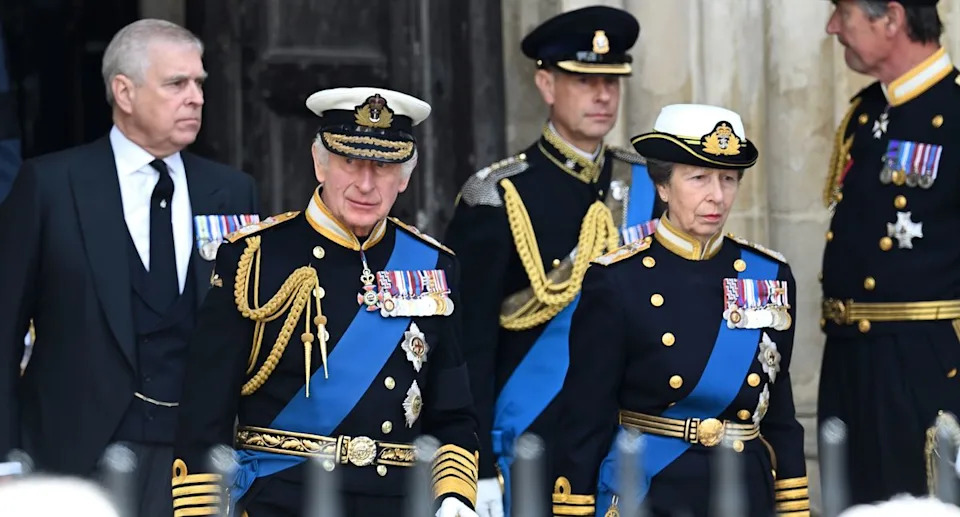
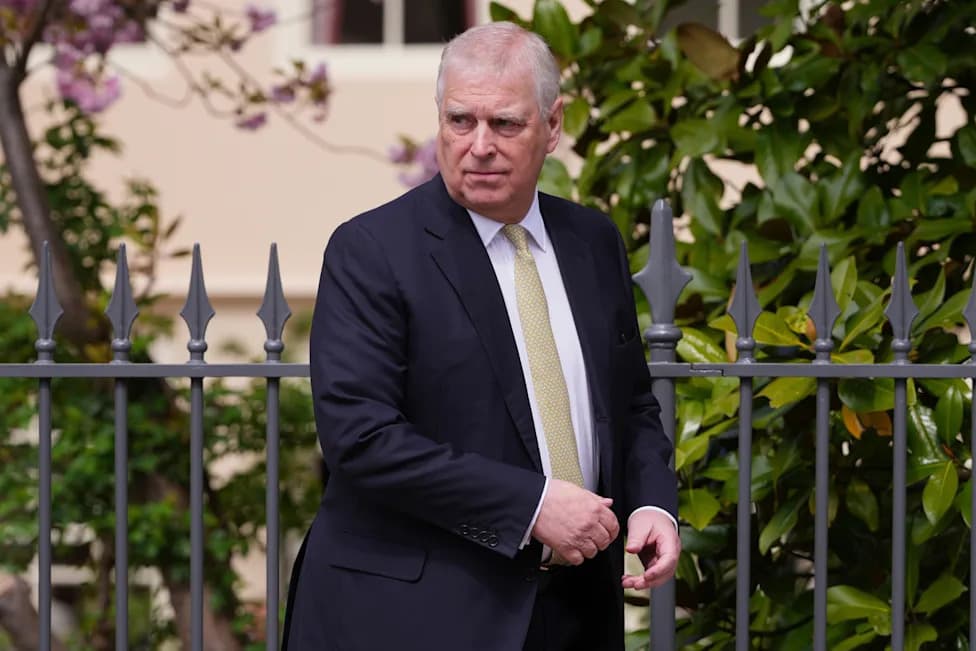
King Charles stripped Andrew of his royal titles and honorary military appointments in 2025. (Justin Goff Photos)
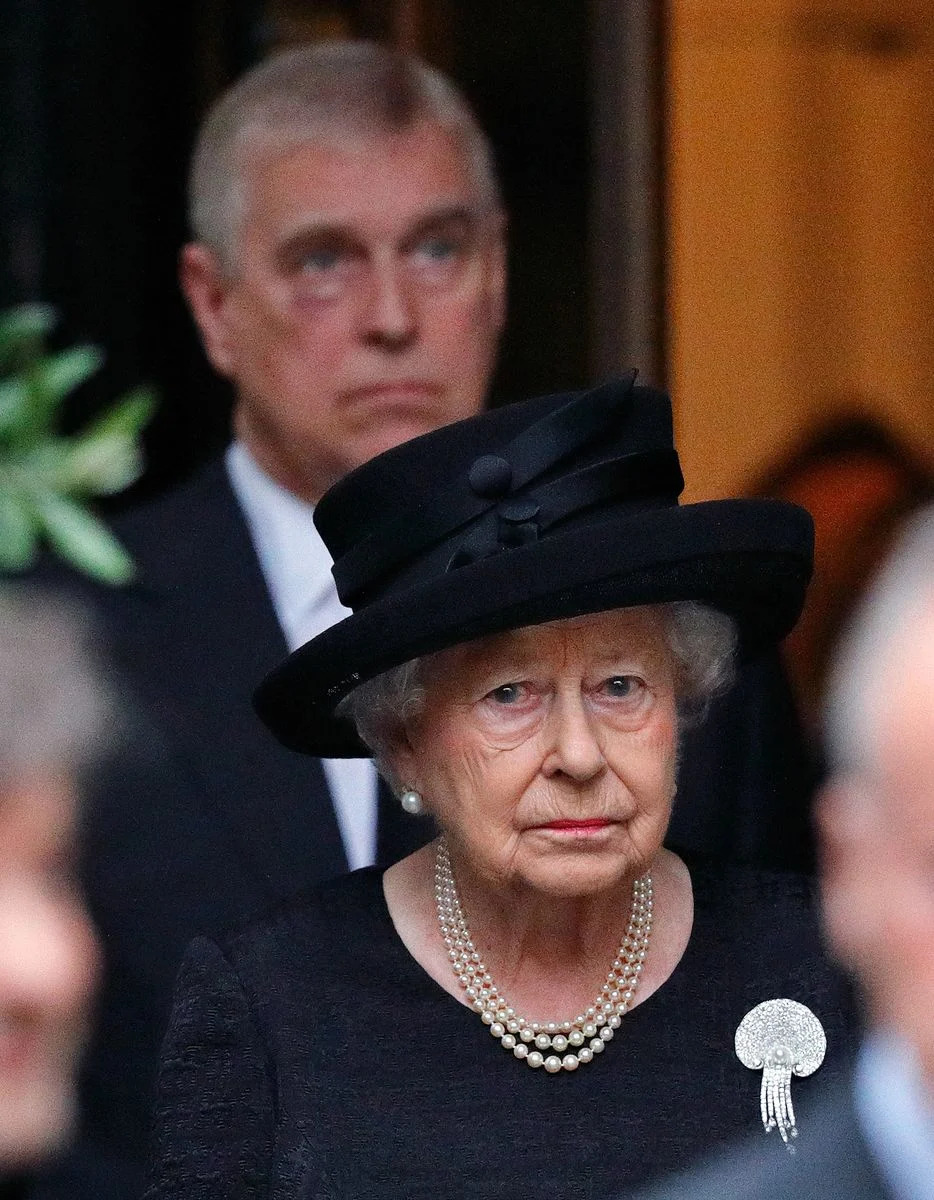
Queen Elizabeth II's death in 2022 activated the government's carefully prepared Operation London Bridge funeral protocol. (Max Mumby/Indigo)
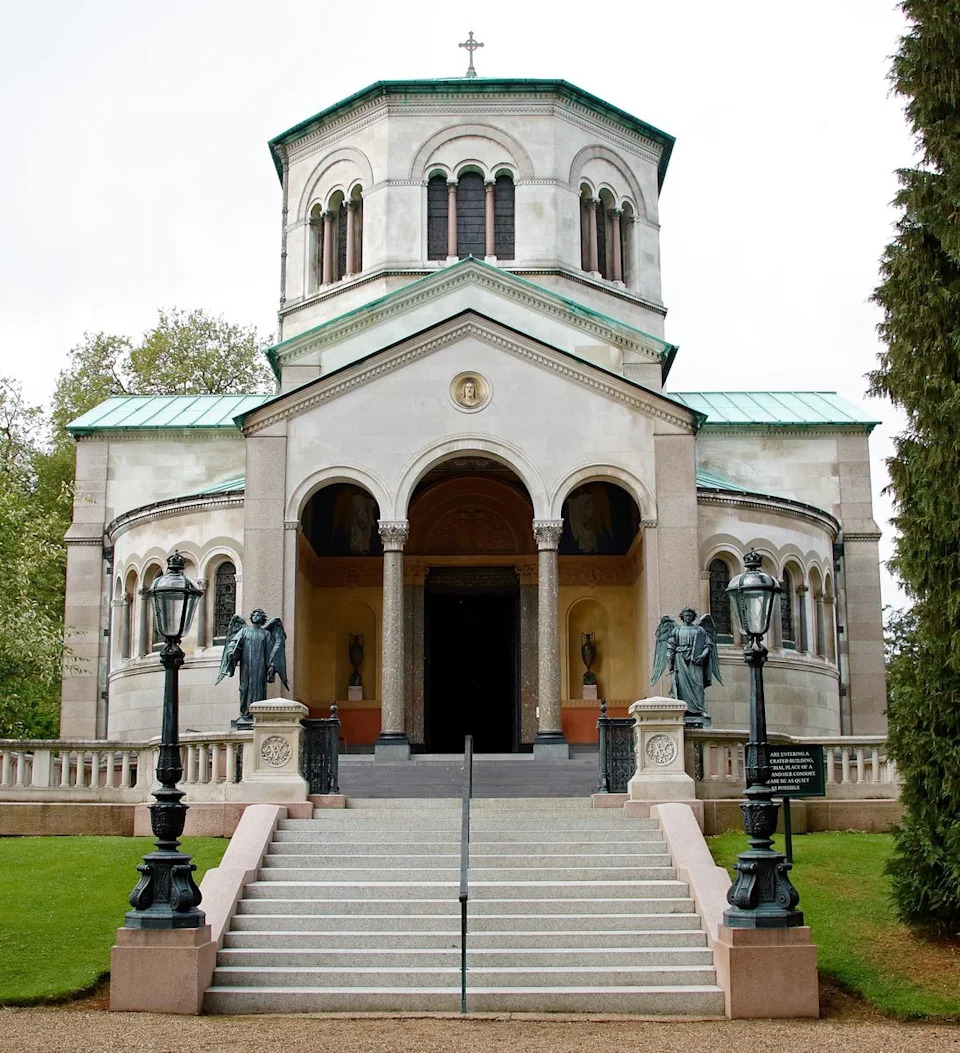
The Royal Mausoleum at Frogmore is located near the Royal Burial Ground, where Prince Andrew is reportedly expected to be laid to rest under existing government plans. (Max Mumby/Indigo)
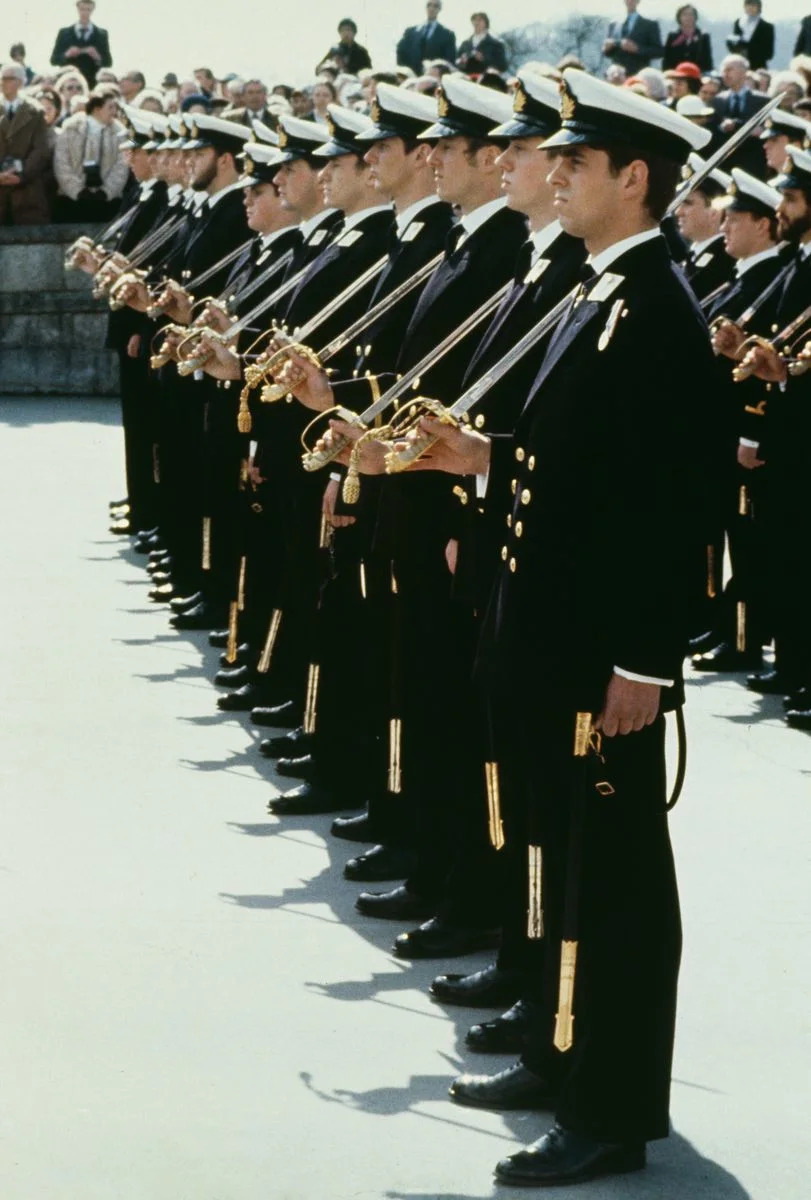
Prince Andrew served in the Royal Navy from 1979 to 2001, including during the Falklands War. (Hulton Archive)
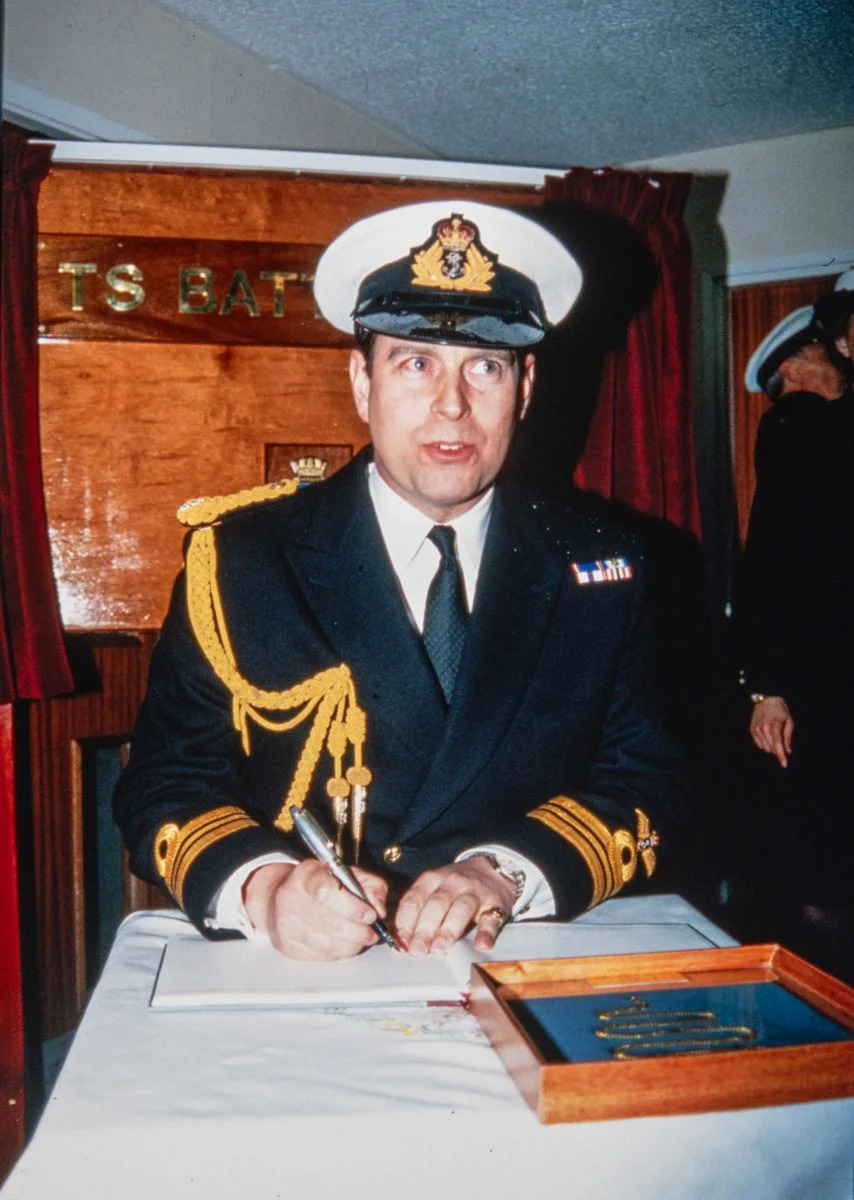
Andrew is said to have retained the military medals he earned during his active service. (Ken R. Goff)
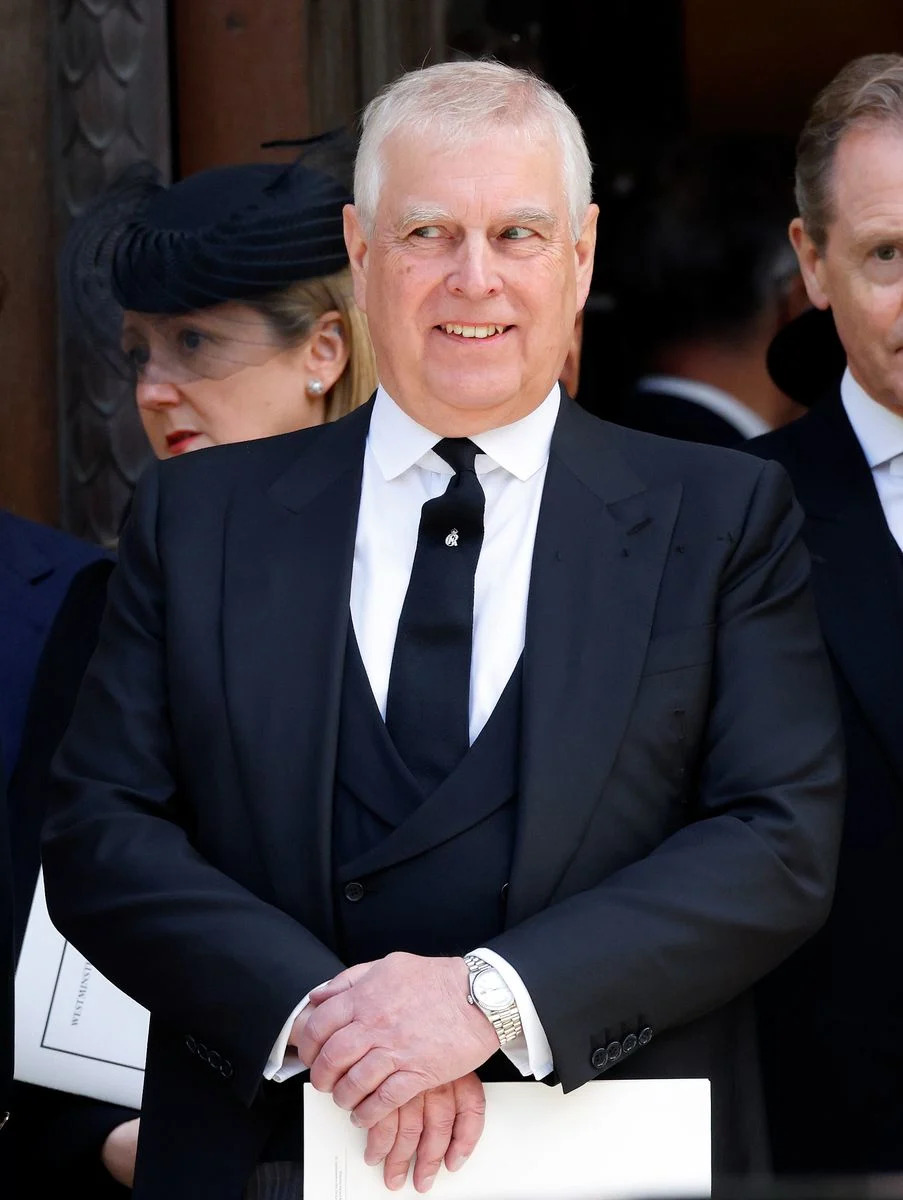
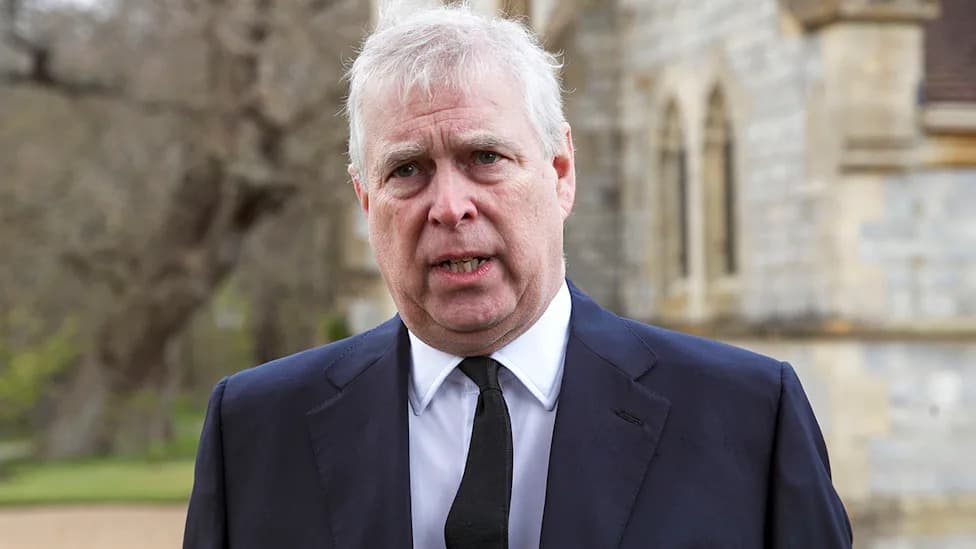
Prince Andrew has reportedly remained on the government's confidential royal funeral planning register. (Max Mumby/Indigo)
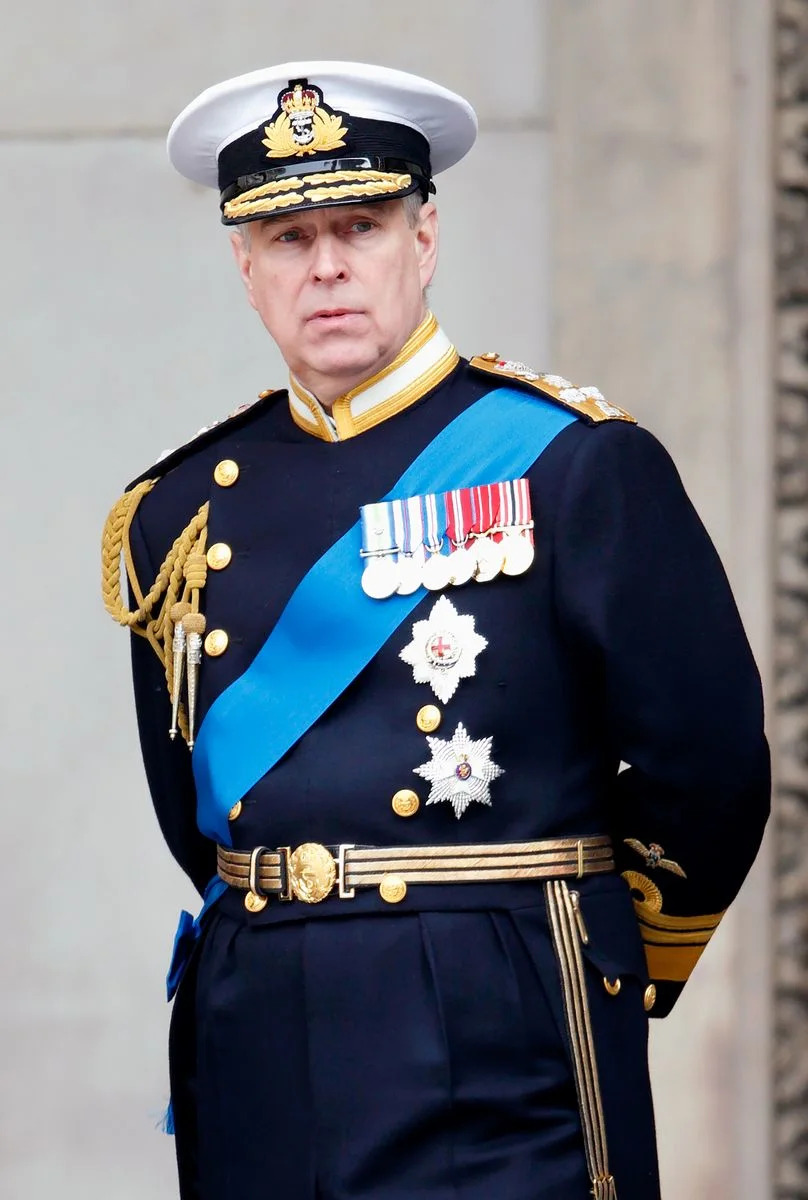
Reports indicate Andrew's funeral service would be held at St. George's Chapel at Windsor Castle (Max Mumby/Indigo)
Help us improve.