Hundreds evicted from Spin Time Labs in Rome are sleeping in tents and on camp beds outside the chained gates as a heatwave pushes temperatures close to 40°C. Volunteers and the city council have provided emergency supplies while medical teams warn of rising physical and psychological health problems. Mayor Roberto Gualtieri has proposed buying the building, but the private owner Investire SGR has refused; national politics have made the dispute a flashpoint in Rome's housing crisis. Advocates say long waiting lists for council housing underline the urgency of a lasting solution.
Heatwave Deepens Crisis for Families Evicted From Rome’s Spin Time Labs
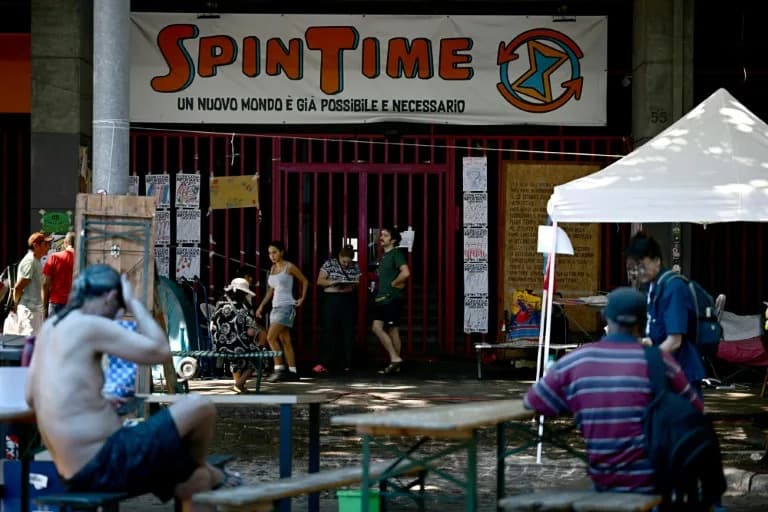
Spin Time became a high-profile symbol of solidarity towards the marginalised (Filippo MONTEFORTE)
Hundreds of people recently evicted from Spin Time Labs, a long-running social centre in Rome, are sleeping rough as a severe heatwave pushes daytime temperatures close to 40°C. The evacuation last month followed a small fire and a police seizure of the building, which had been occupied since 2013 despite an eviction order.
Immediate Hardship Outside the Gates
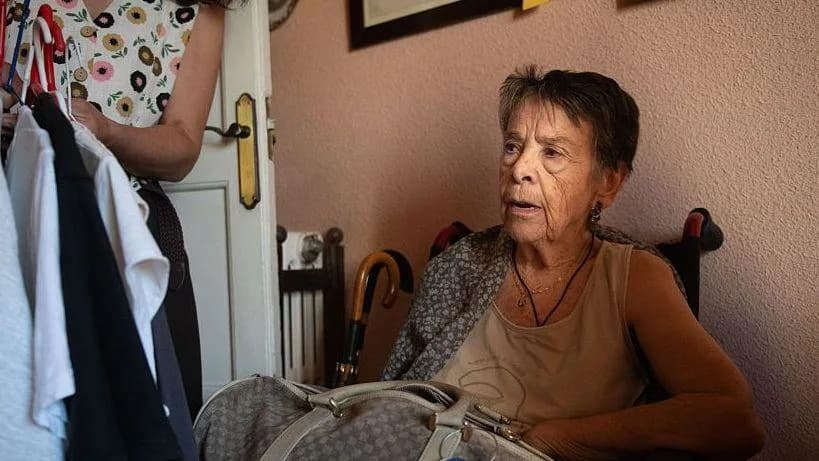
Families, elderly residents and pets are now sheltering in tents and on camp beds outside the chained gates of the former community hub. Volunteers and local groups have mobilised to provide food, clothing and toys, while the left-wing city council has supplied tents, portable toilets, air-conditioning units and a truck delivering drinking water.
"As the days go by, we are seeing increasing psychological distress; people are at their limit, they are exhausted," said Anastasia Destro, a 33-year-old doctor volunteering with the evictees. "We've seen all the health issues associated with living on the street and spending the entire day exposed to the sun."
A Community Hub With Broad Support
Over more than a decade, Spin Time grew into a community centre offering a food bank, canteen, carpentry workshop, newspaper and theatre — a visible symbol of solidarity for marginalised people. Its residents, roughly 400 by most estimates and including children and people with disabilities, attracted public sympathy and support from a wide range of figures.
Prominent film directors from Italy’s Paolo Sorrentino to Britain’s Ken Loach have asked authorities to allow residents back, and director Matteo Garrone organised a screening of Pinocchio for the children. The centre even drew the attention of the Vatican: in 2019 a cardinal associated with Pope Francis’s charity reportedly climbed down a manhole to restore electricity after it was cut off.
Politics, Ownership And A Housing Emergency
Mayor Roberto Gualtieri has proposed the city purchase the building and expressed hope residents could return while negotiations continued. The private owner, asset manager Investire SGR, has so far refused to sell. National politics have sharpened the debate: Prime Minister Giorgia Meloni and her Brothers of Italy party have criticised the mayor, arguing the offer would reward illegal occupation and waste public money.
Advocates say the evictions highlight a wider housing crisis in Rome. City data show more than 17,000 households remain on the waiting list for council accommodation, with nearly half having applied at least a decade ago.
Human Stories and Ongoing Needs
Many of those displaced describe Spin Time as their home. Marco Perilli, a construction worker who has lived there since 2013, said the building housed "27 different ethnic groups, cultures and religions" that formed "one big family." He told reporters he was pained to see neighbours now living in unsanitary conditions and facing serious health risks.
"Spin Time has taken me in — my kids in. My life changed. It was as if I found my home," said Patience Sare, a 40-year-old from Nigeria who fled the Libyan war and lived across Europe before arriving at Spin Time. She said through tears: "I wish we could stay."
While the most vulnerable residents have been moved to alternative accommodation, many others remain outside the gates, reliant on volunteers and the city for basic supplies. Medical teams warn that prolonged exposure to extreme heat and inadequate shelter can exacerbate both physical illnesses and psychological distress.
What Happens Next: Negotiations over the building's future are ongoing. With the summer heat expected to persist, campaigners and aid groups are pressing authorities for faster, durable solutions to place vulnerable households in safe, cool housing rather than temporary outdoor relief.
Help us improve.