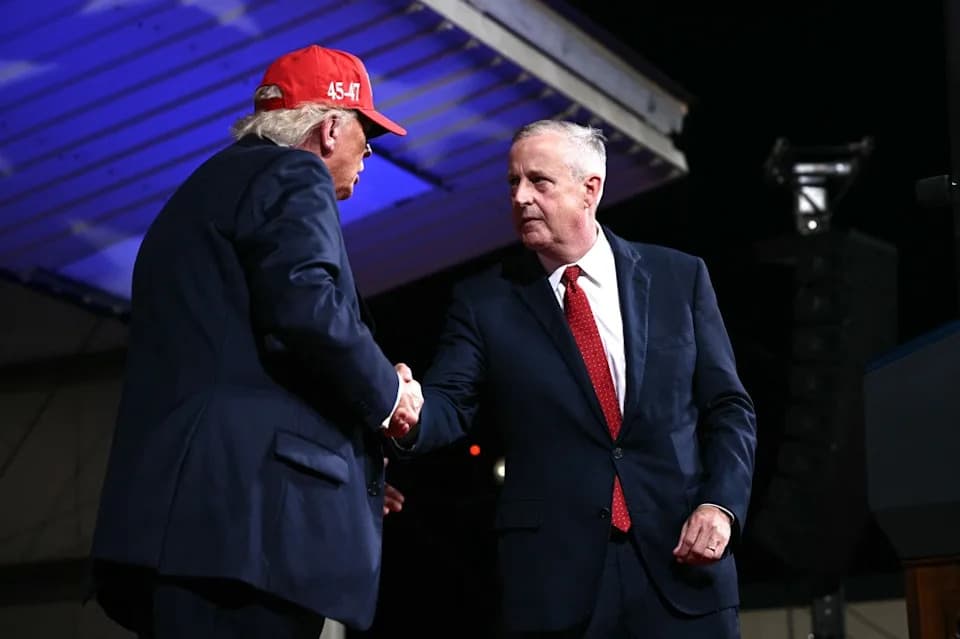
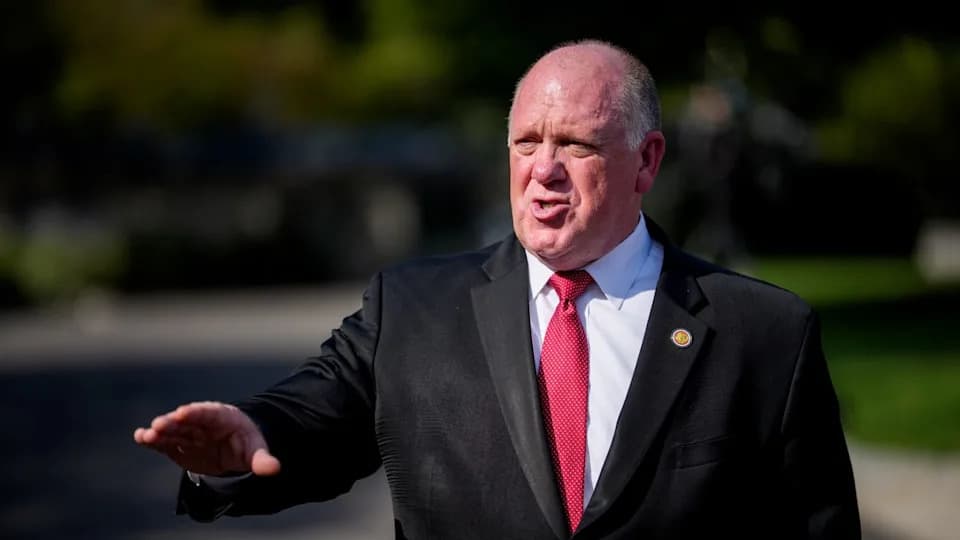
Paul Krugman argues President Trump avoids celebrating falling murder rates because, he says, Trump values cruelty over public safety. John R. Lott Jr. disputes that claim, noting the administration has publicly cited the decline and that national homicide rates may be at historic lows. The piece attributes the drop to increased federal enforcement, prosecutorial changes, stricter immigration measures, and rising concealed-carry rates, and contests that economic aid alone explains the trend.
Who Gets Credit For Falling Homicides? Krugman, Trump and the Politics of Crime
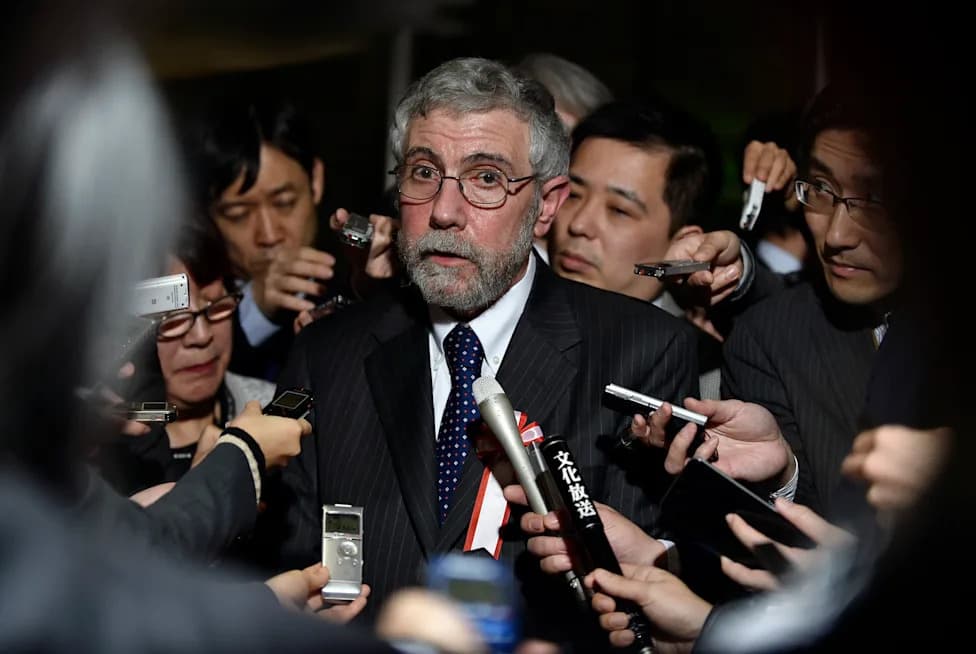
European Photo Agency POOL
Paul Krugman remains one of the most prominent voices on the political left. In his recent column, Krugman argues that President Trump avoids celebrating the recent decline in murders because, he says, the president values cruelty over public safety. The columnist contends that the administration's policies have ultimately made crime worse than it otherwise would have been.
This piece, by John R. Lott Jr., pushes back on Krugman's interpretation and highlights data and policy shifts the author says help explain historically low homicide figures under the Trump administration.
What Krugman Says
Krugman's central claim is blunt: "the cruelty is the point" — that punishment serves as an end in itself rather than as a tool to reduce crime. He suggests President Trump avoids taking credit for falling murder rates because acknowledgment would undercut a political program rooted in punitive aims.
What The Author Argues
Lott disputes Krugman's framing on three grounds: (1) the president and administration officials have, in fact, publicly highlighted the decline in homicides; (2) national homicide trends may be at historic lows; and (3) concrete policy changes — increased federal enforcement, prosecutorial shifts, tougher immigration enforcement, and broader concealed-carry by civilians — plausibly contributed to the decline.
Public Statements
The article notes President Trump's repeated public references to the drop in murders, including a statement during the State of the Union describing the decline as the "single largest" in recorded history. Administration officials and some law-enforcement leaders have also pointed to the decline after reports from organizations such as the Council on Criminal Justice.
Crime Data
According to the author, national homicide rates have fallen from about 5.0 per 100,000 in 2024 to just under 4.0 in 2025. If the Council on Criminal Justice's reported 18% decline across the nation’s 30 largest cities in the first half of 2026 reflects broader national trends, the U.S. homicide rate could drop to roughly 3.25 per 100,000 in 2026 — a historic low since national recordkeeping began around 1900.
Policy Changes Cited
The article highlights several policy developments that its author links to falling violent crime:
- Increased Federal Enforcement: The author reports that FBI arrests rose substantially in 2025 — figures cited include a 184% increase in FBI arrests compared with 2024, and a 197% increase in total FBI arrests when including joint operations with state and local agencies (these figures are reported by the author).
- Prosecutorial Shifts: Voters in major jurisdictions reportedly replaced progressive prosecutors with DAs who pursue tougher prosecutions and sentences. The piece also contrasts prosecution rates in Washington, D.C., attributing a fall from 67% declined-to-prosecute under a prior U.S. attorney to 4% under a new appointee (as reported by the author).
- Immigration Enforcement: The article contends that stricter immigration enforcement reduced offending, noting that during the Trump administration an estimated 70% of deported unauthorized immigrants had criminal convictions or pending charges (as stated by the author).
- Concealed Carry: Surveys cited in the article show an increase in concealed-carry rates among general-election voters from 24.3% in December 2024 to 30.9% in July 2026, with higher carrying rates reported among Hispanic and Black voters. The author argues this empowers likely victims to defend themselves and may deter violent crime.
Evidence And Interpretation
Lott points to decades of research he says show economic factors such as welfare payments and poverty explain only a small share of crime-rate variation, whereas criminal-justice variables (arrest and conviction rates, sentence lengths, and similar measures) explain a larger portion. He uses these findings to challenge Krugman's attribution of the decline to economic stimulus measures such as the American Rescue Plan.
“Whether or not one accepts the administration's motives, the central question is empirical: have its policies reduced violent crime?”
The article concludes that if the administration's policies have contributed to the historic decline in homicides, those policies have saved lives — including a disproportionate number of Black victims, who accounted for a large share of murder victims in recent years.
Author: John R. Lott Jr. is president of the Crime Prevention Research Center and served as Senior Advisor for Research and Statistics in the Office of Justice Programs and in the Office of Legal Policy at the U.S. Department of Justice during 2020–21.
Note: Many numerical claims in the piece are reported from specific sources or the author's analysis; readers should consult original datasets (FBI, Council on Criminal Justice) for primary verification.
Help us improve.