Wisconsin Democrats are within reach of a 15-year comeback, needing two state Senate seats and five Assembly seats to secure a trifecta. Francesca Hong, a 37-year-old DSA-affiliated state lawmaker, leads the Democratic primary but faces scrutiny over past social-media remarks that have drawn GOP attacks and raised concerns among centrists. Governor Tony Evers and rival David Crowley say a more moderate nominee could better challenge Trump-backed Rep. Tom Tiffany; suburban "WOW" counties and a handful of swing Senate districts will likely determine control of the legislature.
Wisconsin’s 15-Year Comeback at Stake: Francesca Hong’s Rise Fuels Party Debate
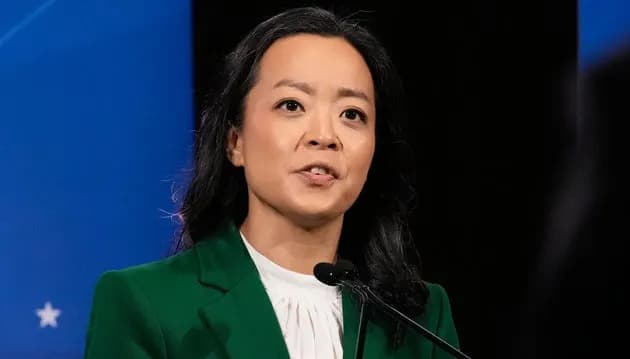
Francesca Hong, the 37-year-old restaurateur and chef-turned-member of the state Assembly, is leading in polls by relatively wide margins ahead of Tuesday's Democratic gubernatorial primary.AP Photo/Nam Y. Huh
Wisconsin Democrats are within striking distance of regaining full control of state government for the first time in 15 years. After Republican Scott Walker’s 2010 victory and his subsequent efforts to curb public-sector unions, Democrats have spent years rebuilding: they are now roughly two seats short in the state Senate and five seats short in the state Assembly of a Democratic trifecta.
Long Road Back
The comeback has been costly and contentious. Conservative estimates put the price tag at more than $250 million and the fight has included a failed recall, repeated battles over the state Supreme Court and a multi-year effort to challenge a Republican-drawn gerrymander. Much of the momentum is focused on the 2026 elections, which some local reporters have called the first realistic chance in a generation to win unified control of the governor’s office and both legislative chambers.
Why Francesca Hong Matters
At the center of Democratic anxiety is Francesca Hong, a 37-year-old former restaurateur and current state lawmaker from Madison who is affiliated with the Democratic Socialists of America. Hong has led in polls for the Democratic gubernatorial primary, but her past social-media posts — which touched on policing and the historical origins of holidays — have become a point of vulnerability and late-stage attacks.
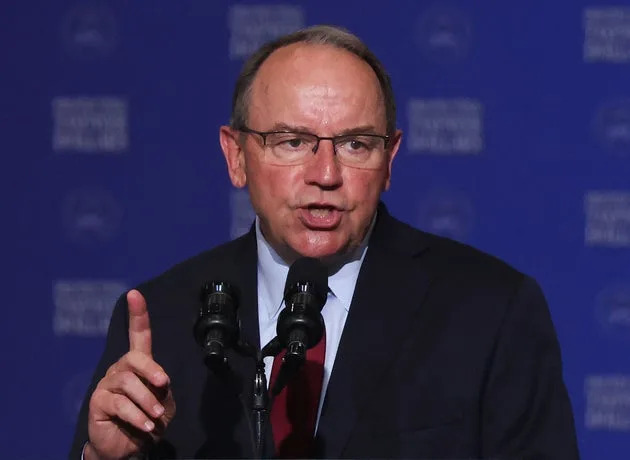
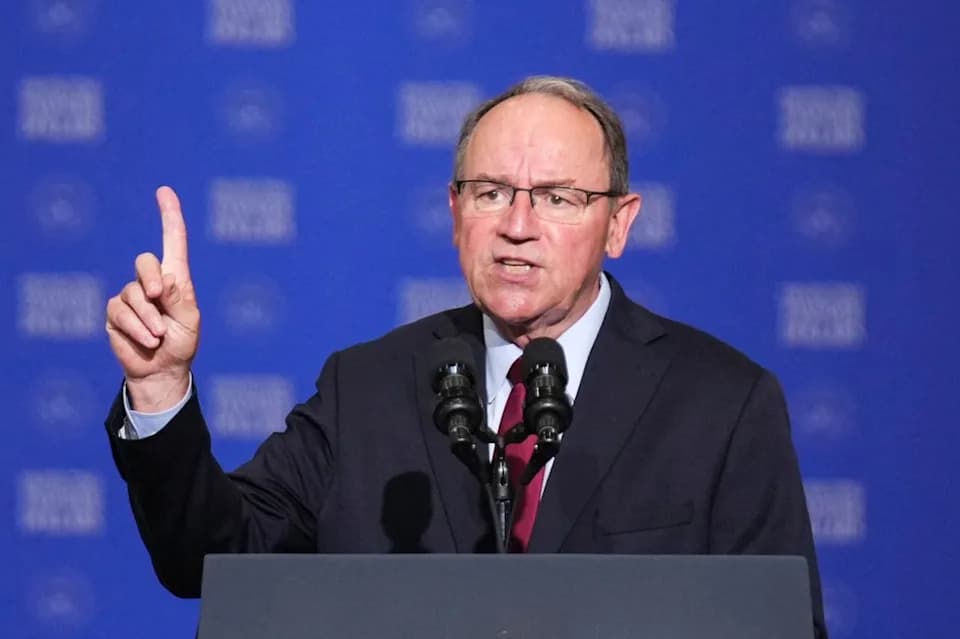
Rep. Tom Tiffany (R-Wis.) is a member of the House Freedom Caucus and has the backing of President Donald Trump. He also voted to overturn the 2020 presidential election results. Photo by Scott Olson/Getty Images
"It is about the solutions, not just the labels," Hong told Pod Save America, arguing she can translate a class-focused message to independents and working-class voters despite ideological labels.
General-Election Calculus
Many Democrats have been hesitant to say outright that Hong is unelectable, partly because the likely Republican nominee, U.S. Rep. Tom Tiffany, also has weaknesses: he’s allied with the House Freedom Caucus, has President Donald Trump’s endorsement and voted to overturn the 2020 election results. Still, concerns persist that Hong’s nomination could dampen suburban support and make narrow legislative pickups more difficult.
Milwaukee County Executive David Crowley — Hong’s principal rival in the Democratic primary — and Governor Tony Evers have both signaled that Crowley could be a stronger November nominee. Evers said at a recent rally, "I know in my heart of hearts that David Crowley is the best chance we have of beating Tom Tiffany." Crowley’s allies have noted more than $3 million in Republican spending targeting Hong’s record.
Down-Ballot Stakes
Democrats’ fears are not only about the governorship. The composition of several competitive legislative districts — including four key state Senate seats, three of which include suburban terrain — means the top of the ticket could materially affect whether Democrats flip the legislature. Winning the Assembly will likely require gains in districts that President Trump carried in 2016 and 2020, raising the bar for a progressive nominee who underperforms in suburban areas.
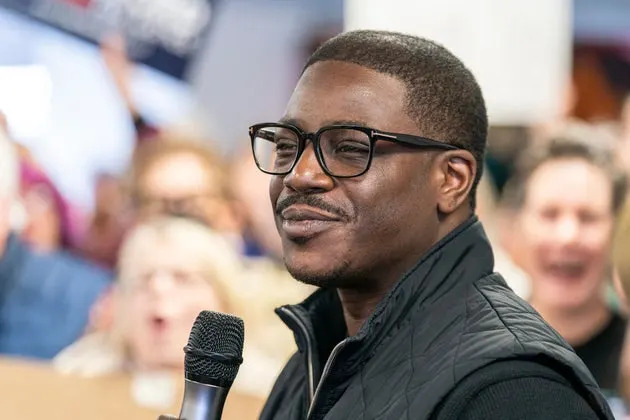
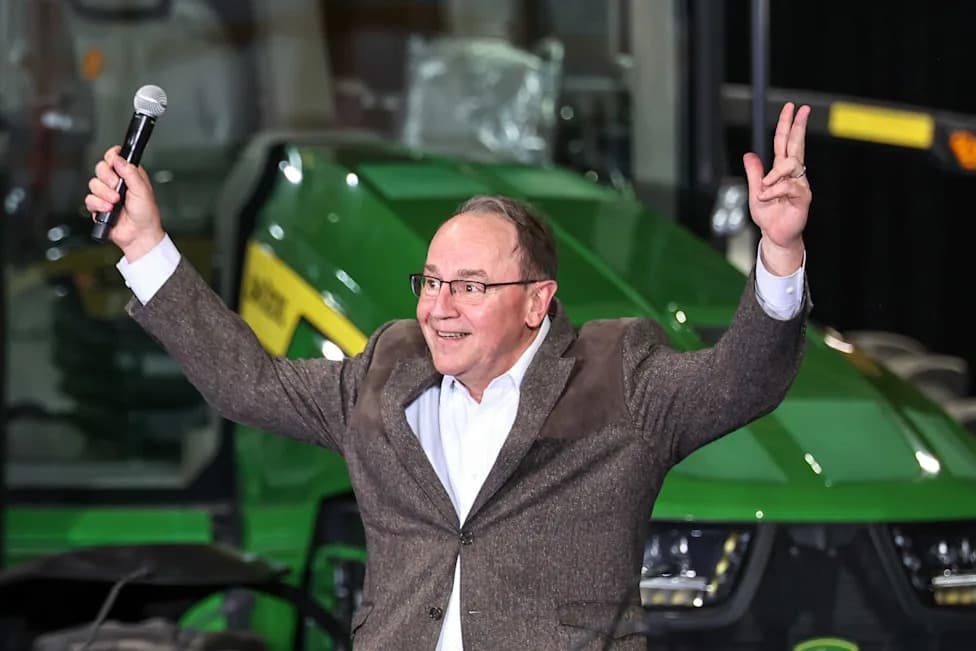
Milwaukee County Executive David Crowley has only recently begun indirectly arguing that Democratic gubernatorial candidate Francesca Hong will lose the race against Republican U.S. Rep. Tom Tiffany. AP Photo/Andy Manis, File
The Campaign to Date
Hong invested early to build name recognition, highlighting a policy push such as a one-year moratorium on data-center construction. Crowley briefly left the race but re-entered after scandals affected other potential establishment candidates and quickly secured Evers’s endorsement. Polling continues to show Hong with a lead, but Democratic strategists privately warn that late shifts — like the upset in a recent Michigan primary — remain possible.
What’s at stake: control of the governor’s office and both legislative chambers would give Democrats the ability to pursue expanded health-care access, increased education funding and stronger labor protections — reversing policies enacted after 2010 that reshaped Wisconsin politics.
Outlook
The primary forces a choice: nominate a left-leaning candidate who energizes the base but risks suburban losses, or select a more centrist nominee who might perform better against a Trump-backed Republican but could weaken progressive turnout. With control of the state’s agenda and the payoff of a decade-and-a-half-long rebuild on the line, the outcome will reverberate across Wisconsin politics for years.
Help us improve.