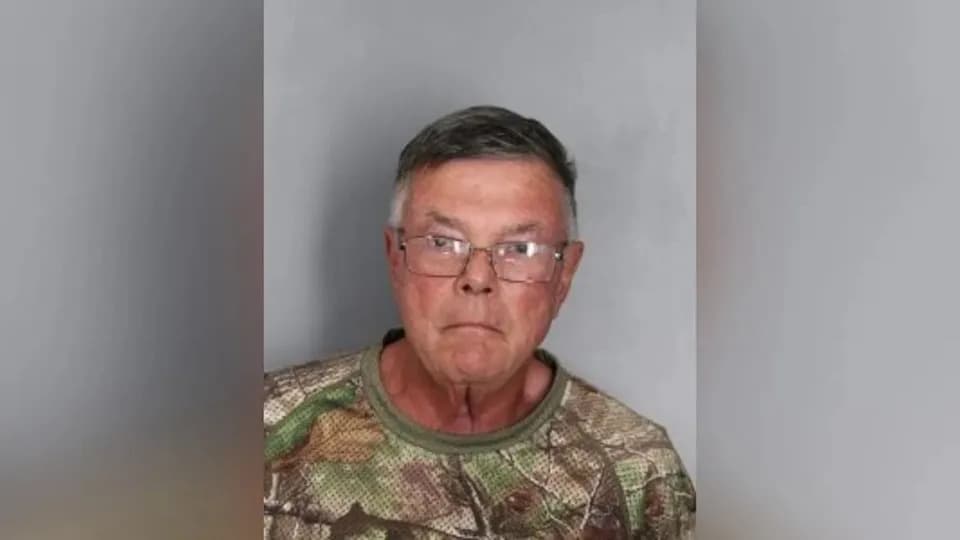
Federal authorities charged 66-year-old Benjamin G. Allen on Aug. 4 after X-rays showed two shotgun pellets in a bald eagle found Feb. 5, 2026, near his property in Brush Prairie, Clark County, Wash. The U.S. Fish and Wildlife Service and Washington Department of Fish and Wildlife investigated and referred the case to federal prosecutors. Allen faces counts under the Bald and Golden Eagle Protection Act and a migratory bird violation; he is due in U.S. District Court in Tacoma on Sept. 8, 2026. The incident has sparked widespread online debate about nonlethal poultry protections and legal penalties for harming protected wildlife.
Washington Man Charged After Bald Eagle Found Shot Near His Chickens
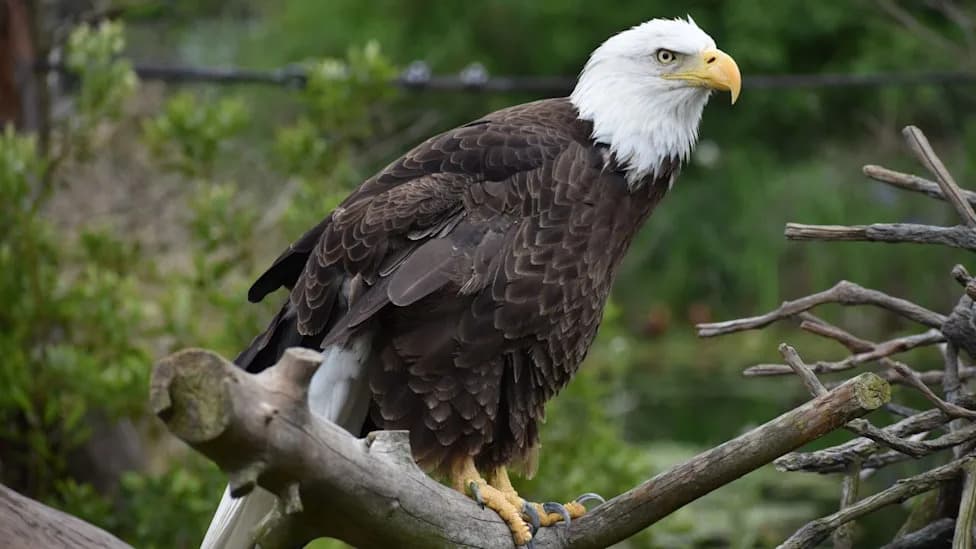
Image Credit: Shutterstock.
Federal prosecutors have charged a Brush Prairie man after a bald eagle discovered on Feb. 5, 2026, was found to have been shot near a residential poultry area in Clark County, Washington. The case — which began as a local wildlife call and expanded into a months-long federal investigation — has drawn strong public reaction and renewed discussion about how poultry owners should protect livestock without harming protected wildlife.
Investigation And Findings
The Washington Department of Fish and Wildlife police responded to a report of a dead adult bald eagle in the Hockinson area of Brush Prairie after a witness said they heard a loud noise that sounded like a gunshot that morning. Officers found the bird with a head wound and transported it to a local humane society for X-rays. Imaging revealed two pellets lodged in the eagle's head and brain.
Evidence and medical findings were referred to the U.S. Fish and Wildlife Service, which led a follow-up investigation with state partners and veterinary experts. According to the charging documents, these findings formed the basis for federal criminal charges.
Charges And Court Schedule
On Aug. 4, federal prosecutors for the Western District of Washington filed criminal information charging 66-year-old Benjamin G. Allen of Brush Prairie. He is accused of violating the Bald and Golden Eagle Protection Act and of unlawfully killing a migratory bird. The filing alleges Allen shot the eagle with a shotgun on Feb. 5; a witness reported hearing a gunshot that day and the bird was found with blood around its head.
Allen has been summoned to appear in U.S. District Court in Tacoma on Sept. 8, 2026. The Bald and Golden Eagle Protection Act count is charged as a Class A misdemeanor, which carries up to one year in prison and a fine of up to $500,000. The migratory bird charge is a Class B misdemeanor, punishable by up to six months in prison and a fine of up to $5,000. The charges remain allegations; Allen is presumed innocent until proven guilty.
Public Reaction And Poultry-Protection Debate
The case prompted thousands of online responses. Many commenters expressed outrage over the alleged killing of a federally protected species and emphasized the eagle's cultural symbolism. Others who raise poultry urged stronger, nonlethal protections for flocks — such as secure coops, covered runs, overhead netting and aviary enclosures — rather than taking lethal action.
"We now have aviary netting over the entire poultry area and have only lost chickens or ducks when they die of old age," one commenter wrote. Another added, "Your chickens can be replaced!!! Lock them up better! No excuse to kill an Eagle!!!!!!"
A smaller number of readers argued that bald eagles are predators capable of taking chickens and that property owners should be allowed to defend their animals; however, federal law protects eagles and other migratory birds, and lethal responses can bring serious criminal exposure.
Who Investigated
The probe was conducted by agents from the U.S. Fish and Wildlife Service in coordination with the Washington Department of Fish and Wildlife. Veterinary examiners documented the pellets and concluded the wounds were the cause of death.
Note: The information in this article reflects allegations from federal charging documents and investigative agencies. The accused has not been convicted and remains presumed innocent until proven guilty in court.
Help us improve.