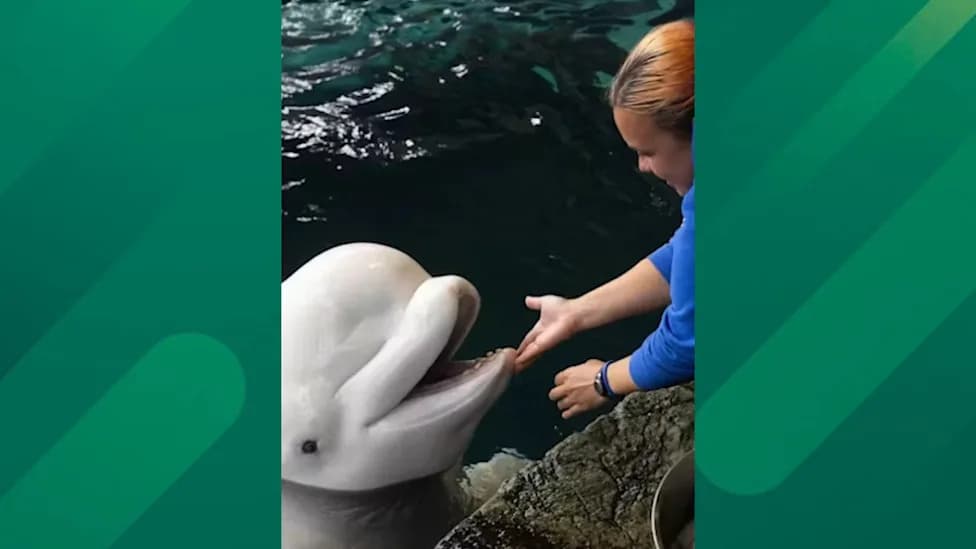
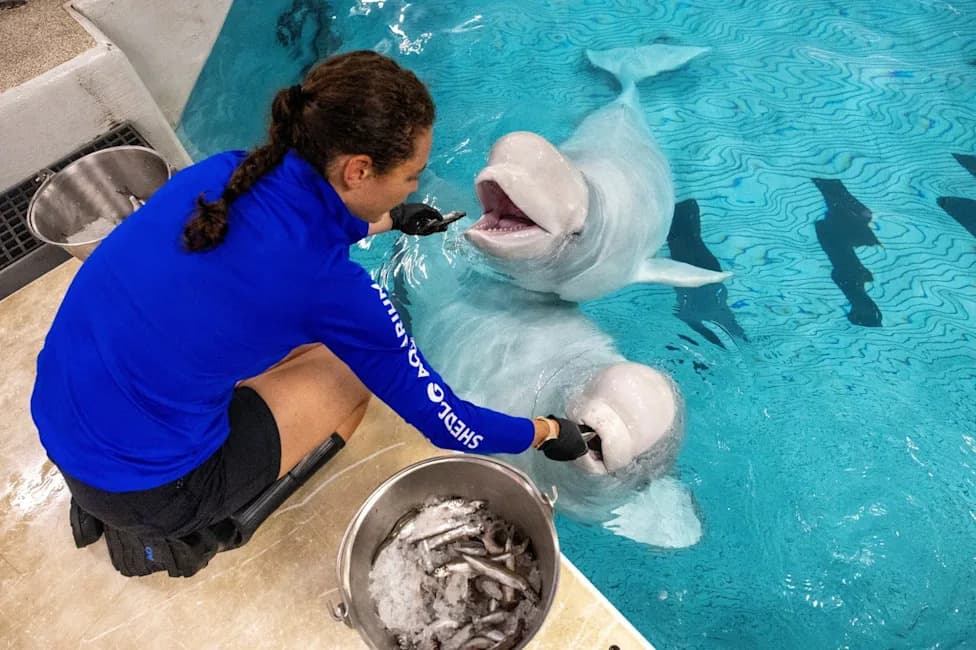
The closure of Marineland near Niagara Falls triggered an international rescue to relocate about 30 belugas and four dolphins. The operation uses cranes, custom water trucks and retrofitted cargo jets, with vets and technicians accompanying the animals—sometimes in the water—during transport. An initial July 2026 move relocated six belugas and a second in early August moved 13 more; regulators, including NOAA, fast-tracked permits to enable the emergency transfers. Care teams say the whales are being introduced slowly to new groups and all transfers are expected to finish by fall 2026.
Cranes, Cargo Jets and Care Teams: Inside the Marineland Beluga Rescue
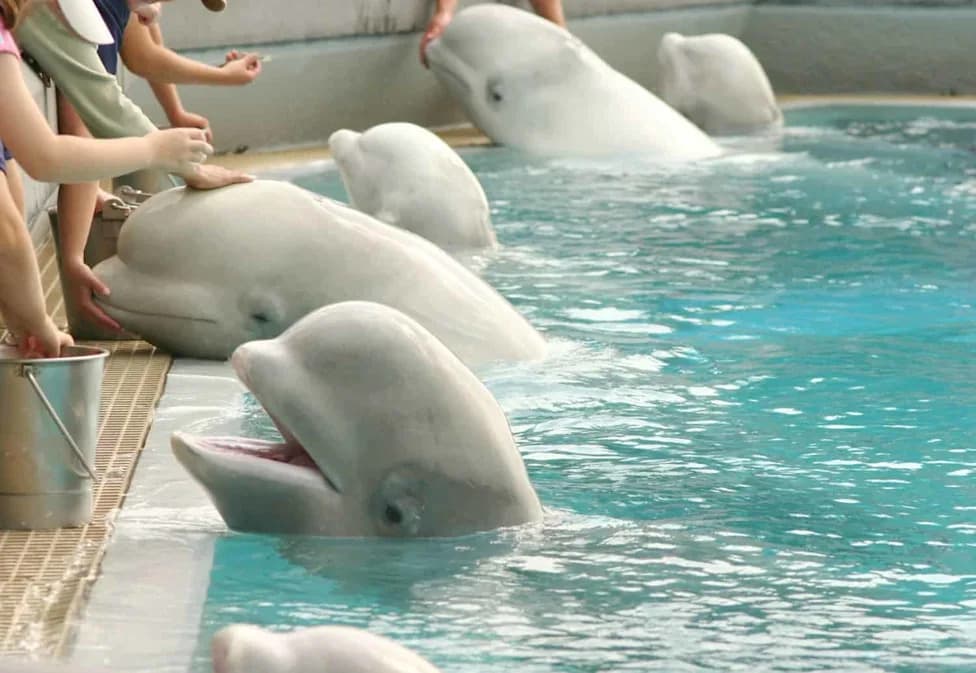
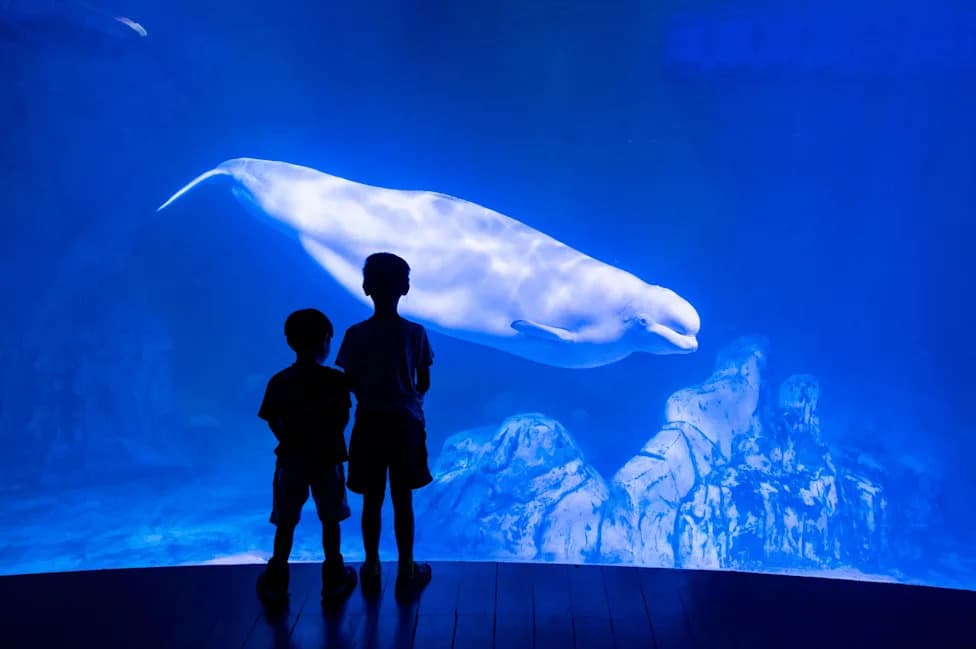
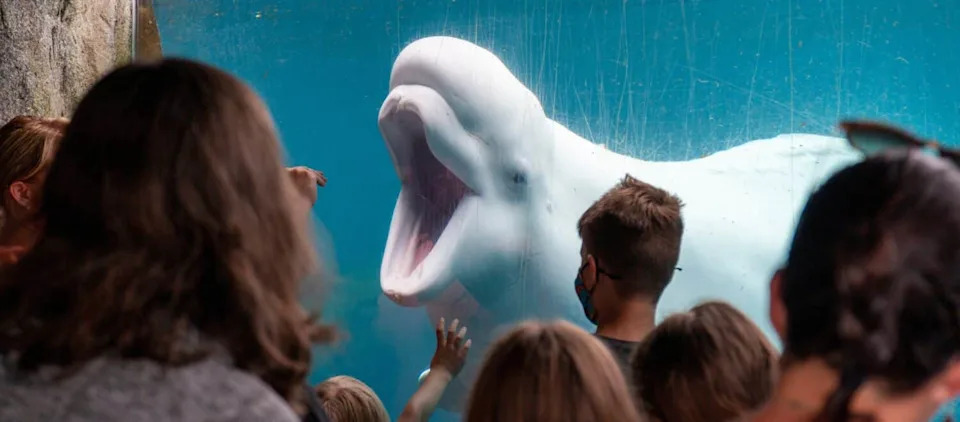
Feeding belugas at the zoo© Robert Spriggs/Shutterstock.com
The permanent closure of Marineland, the long-running Canadian marine theme park near Niagara Falls, set off a complex international rescue and relocation operation for its remaining cetaceans. Roughly 30 beluga whales and four dolphins must be moved to new homes, a process requiring cranes, custom water trucks, cargo aircraft and teams of veterinarians and animal-care technicians.
Background
Marineland was founded in 1961 by John Holer and grew from a small sea lion attraction into a major marine park, once known for killer whale shows and the country’s largest collection of captive belugas. Beginning in the 2010s, former employees and animal-welfare groups alleged mistreatment; Marineland denied the claims. Since 2019, 20 cetaceans at the facility—one orca and 19 belugas—have died, with no public cause determined. Canada also passed legislation in 2019 that bans new whale and dolphin captivity and restricts breeding, import, export and display of cetaceans while grandfathering animals already in captivity.
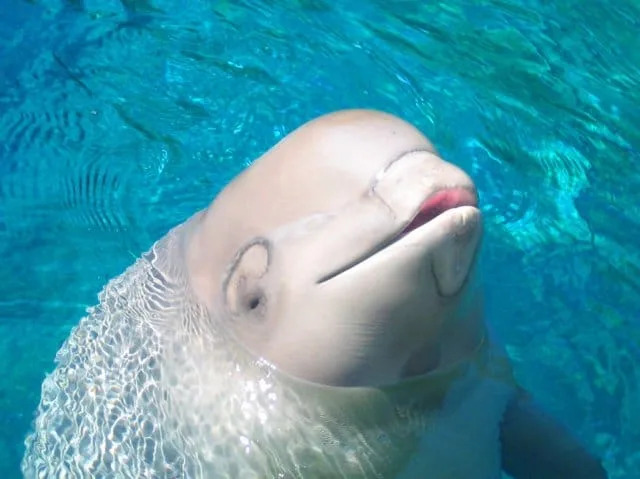
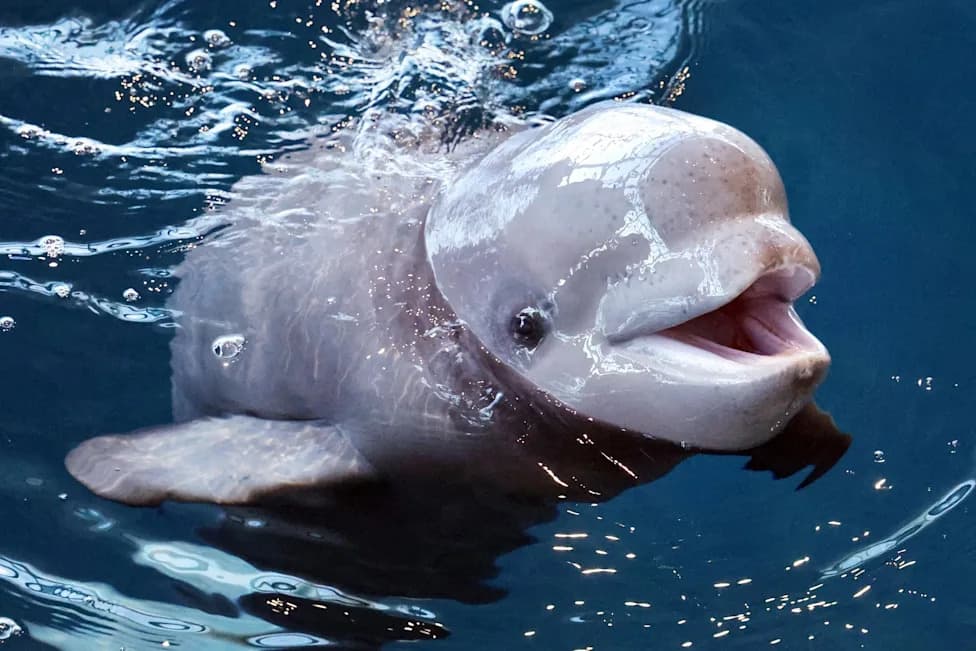
Beluga whales are being rescued from a closed Canadian marine theme park called Marineland.©Metaphoricalplatypus / CC BY 3.0 –Original/License
The Rescue Operation
After the park closed and its ownership sought a buyer in 2024, caretakers continued to look after the animals until park officials said funds had run out. Multiple accredited aquariums in North America and Spain coordinated an emergency relocation plan to take the animals in. Participating institutions include Shedd Aquarium (Chicago), SeaWorld San Antonio and SeaWorld San Diego, Georgia Aquarium (Atlanta), Oceanogràfic Valencia (Spain) and Mystic Aquarium (Connecticut).
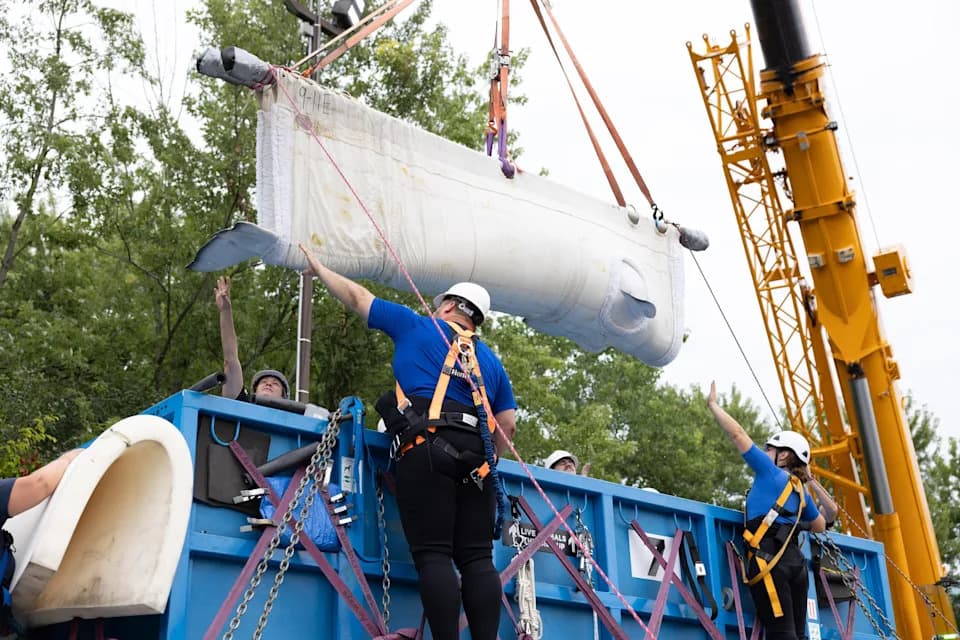
Transporting belugas is logistically and medically demanding. Crews first drain the whales’ pool and then lift each animal by crane in a specialized sling. Each whale is lowered into a large, water-filled transport tank mounted on a custom truck, which travels—often under police escort—to Toronto’s Pearson Airport. From there, the animals fly on cargo aircraft (commonly a 777 retrofitted to carry live marine mammals). Veterinarians and animal-care technicians accompany the whales; in some cases, caretakers remain in the water with the animals for the duration of the flight to monitor breathing, hydration and stress levels.
The beluga whales are being relocated to five different facilities.©WoodysPhotos/Shutterstock.com
Recent Moves
The first transfer in July 2026 relocated six belugas: Sierra, Acadia, Osiris and Lillooet to Shedd Aquarium, and Frankie and Bertie Botts to SeaWorld San Antonio. A second transfer in early August 2026 moved 13 more belugas—six males to Shedd and seven to SeaWorld San Antonio, including Xena, Gemini, Skyla, Eve, Neva and Calypso. Trainers report the newcomers are being introduced slowly to resident groups and that many began eating within hours of arrival.
"Given this is the largest number of belugas being moved at one time, we are so happy that all went well and the second transport of this huge rescue effort is complete," said Steve Aibel, Vice President of Animals and Conservation for SeaWorld San Antonio.
How The Plan Came Together
Marineland had initially planned to send all 30 belugas to a facility in China, but Canadian authorities blocked that transfer in 2025 over concerns about future breeding and performing. After Marineland warned it might have to euthanize the animals unless an alternative plan or funding was found, a coalition of U.S. and Spanish aquariums and regulators moved quickly. U.S. authorities, including the National Oceanic and Atmospheric Administration (NOAA), expedited import permits to enable emergency transfers and reduce risk to the animals’ lives.
What’s Next
Officials expect the remaining belugas to be relocated in the coming weeks and months, with all transfers scheduled to be complete by fall 2026. Once the animals are rehoused, Marineland’s property is slated for sale. Care teams will continue to monitor the whales closely as they acclimate to new facilities, focusing on feeding, rest, social integration and long-term health assessments.
Note: All institutions involved are accredited members of the Association of Zoos and Aquariums or follow comparable care standards for marine mammals.
Help us improve.