Atef Najib, 66, a cousin of Bashar al‑Assad and former head of political security in Deraa, was sentenced to death by the Fourth Criminal Court in Damascus after being convicted of murder, torture and crimes against humanity tied to the 2011 Deraa crackdown. Najib was tried in person; Bashar and Maher al‑Assad received death sentences in absentia. Seventy‑five plaintiffs gave testimony during the trial, which is being judged a landmark test of Syria's transitional justice system under interim President Ahmed al‑Sharaa.
Atef Najib Sentenced to Death in Landmark Damascus Trial Alongside Bashar and Maher al‑Assad
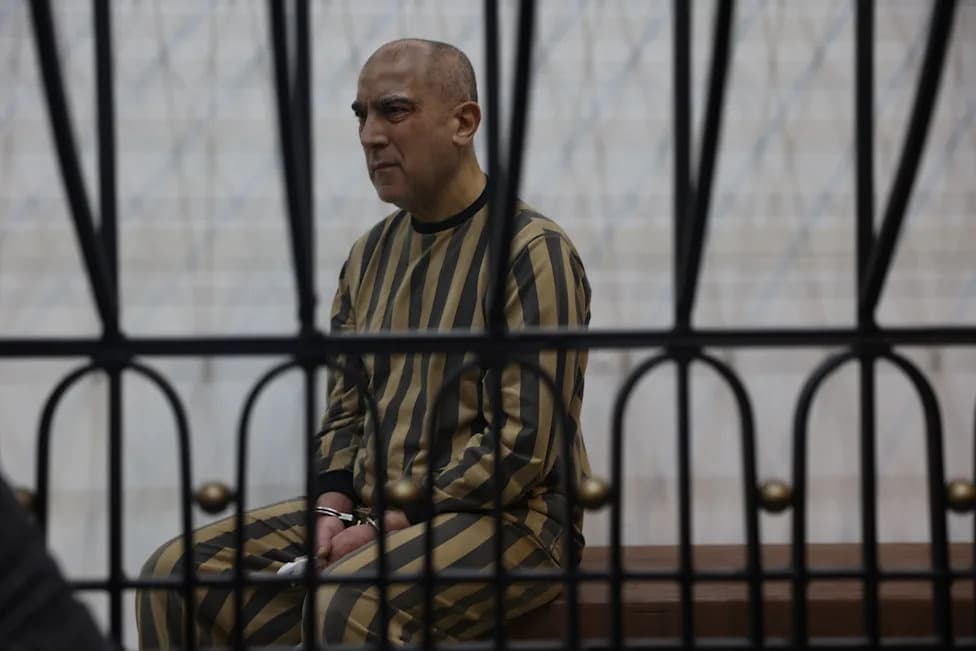
Atef Najib, former head of the political security branch in Deraa, in the defendants' cage during a trial in Damascus, Syria, April 26, 2026 [Ghaith Alsayed/AP Photo]
Atef Najib, a former Syrian political security chief widely accused of orchestrating abuses at the start of Syria's 2011 uprising, has been sentenced to death by the Fourth Criminal Court in Damascus. Najib, 66 and a first cousin of former president Bashar al‑Assad, was tried in person; Bashar al‑Assad and his brother Maher were sentenced in absentia.
Who Is Atef Najib?
Najib rose through Syria's security ranks after attending the Military Academy in Homs in the early 1980s and served as head of political security in Deraa province. He remained in that post through the outbreak of antigovernment protests in March 2011 and was officially removed from his role in April 2011 amid accusations that he oversaw violent repression.
Charges, Trial And Verdict
Arrested in January 2025 during an operation targeting remnants of the former regime, Najib faced at least 10 charges during proceedings that began on April 26. Prosecutors accused him of murder, torture (including of children), responsibility for massacres and crimes against humanity related to the 2011 Deraa crackdown. The court found that abuses committed in Deraa in 2011 amounted to crimes against humanity and sentenced Najib to death.
Al Jazeera correspondent Obaida Hitto described Najib as the only co‑defendant physically on trial in Syria, while Bashar and Maher al‑Assad were tried in absentia after fleeing to Russia following the regime's fall in December 2024.
Evidence And Plaintiffs
According to reporting, 75 plaintiffs filed cases and provided testimony during Najib's trial. The court record cites testimony and evidence that detainees died in custody and that Najib had oversight responsibility for widespread mistreatment during detention operations in Deraa.
Significance For Transitional Justice
The trial is widely viewed as a test case for Syria's transitional justice system under interim President Ahmed al‑Sharaa. Rights groups and legal observers say the legal issues adjudicated in Najib's case will set precedents for future prosecutions of former regime officials. Fadel Abdulghany of the Syrian Network for Human Rights emphasized the importance of building a robust judicial record to support accountability.
Context And Public Reaction
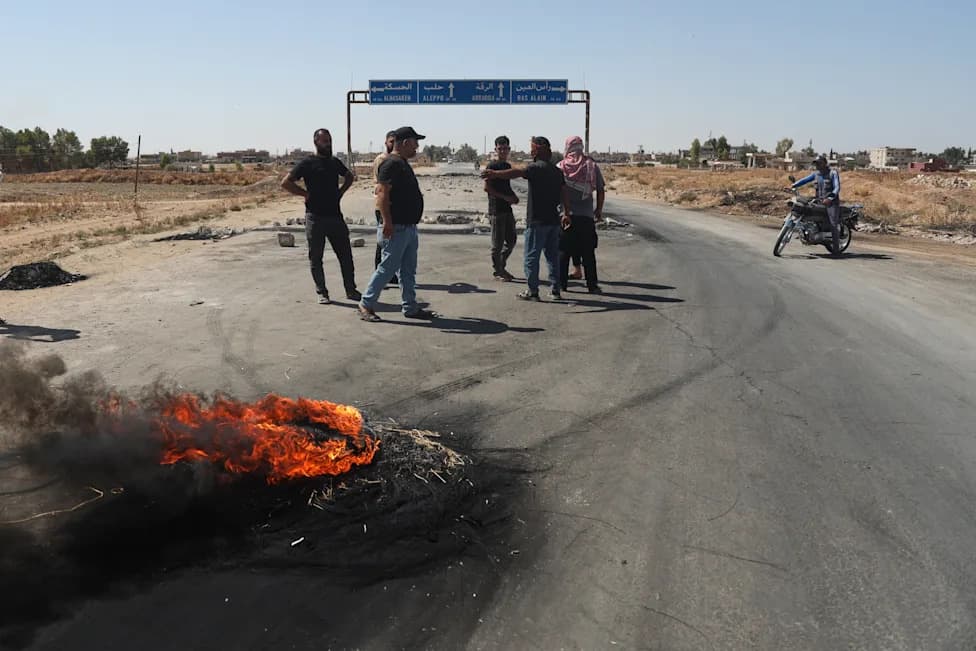
The interim government has faced criticism for delays in launching a promised transitional justice process after a conflict that cost an estimated half a million lives. A 2025 report from the Syrian Network for Human Rights estimated more than 181,000 people were forcibly disappeared or arbitrarily detained during the war, about 90 percent by the al‑Assad regime. When the verdict was announced, crowds gathered outside the court in Damascus and some Syrians celebrated, expressing relief that a domestic court had acted.
What Happens Next: The judgment marks the first major sentence by a court under the transitional authorities against a senior figure from the al‑Assad era. Appeals or additional judicial steps may follow under Syrian law; the wider process of investigating and prosecuting other officials is expected to continue as part of the country's transitional justice efforts.
Help us improve.