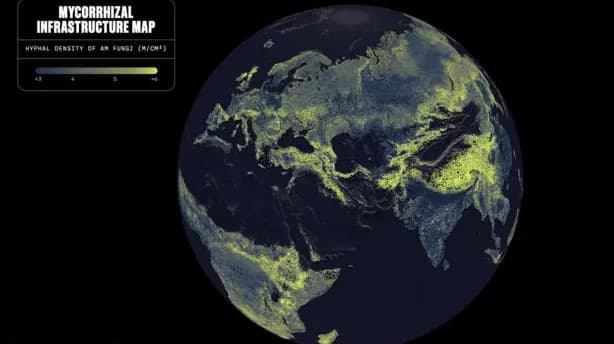
Researchers at the University of Michigan discovered diverse fungal communities and other multicellular life more than 1,600 feet beneath the Great Lakes in the Antrim Shale. The team identified 689 fungal species (including 13 new to science) and cultured over 200 fungal types, plus found worms and tardigrades that may form an underground food web. Measured fungal cell densities were comparable to seawater, suggesting substantial, previously overlooked belowground biomass with implications for carbon storage and global biodiversity estimates.
Hidden Fungal World Discovered 1,640 Feet Beneath the Great Lakes
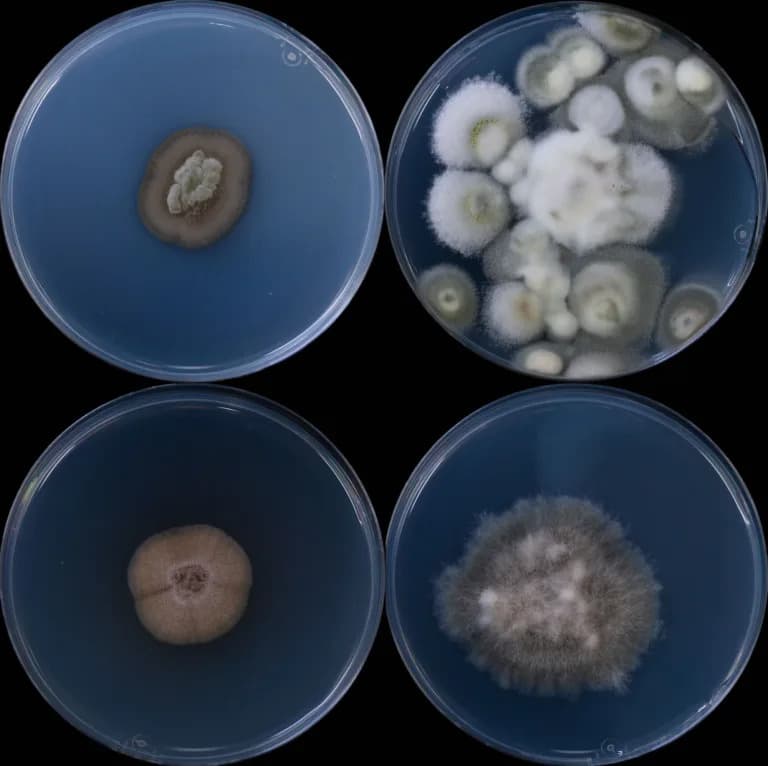
A research team led by the University of Michigan isolated and grew more than 200 kinds of fungi from the deep subsurface to help researchers better understand how fungi survive in extreme environments.
Scientists have found a surprisingly rich ecosystem more than 1,600 feet below the Great Lakes, revealing that complex life can thrive in environments long thought nearly uninhabitable.
In a study published in The ISME Journal, researchers at the University of Michigan report that organic‑rich rock deep beneath the surface hosts unexpectedly diverse fungal communities. The team sampled groundwater trapped for thousands of years in the Antrim Shale formation and used genetic sequencing, microscopy and laboratory cultivation to characterize the organisms living in this dark, isolated habitat.
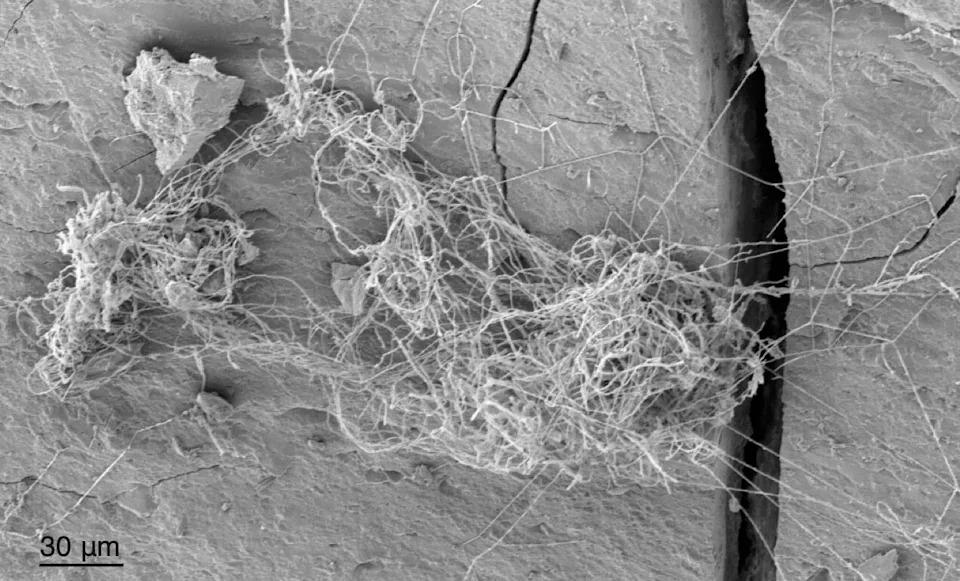
Researchers from the University of Michigan found that organic-rich rock deep underground supports diverse fungal communities.
"The discovery opens a window into a world that is dark, ancient and almost entirely hidden — but is far from lifeless,"
said lead author Quinn Moon, a doctoral candidate at the University of Michigan.
Working from gas-well sites that access the Antrim Shale beneath the Great Lakes region, the researchers isolated and cultured more than 200 distinct fungal types from the deep subsurface. Genetic analyses identified a total of 689 fungal species in water samples recovered from approximately 1,640 feet below Earth’s surface, including 13 species new to science. According to the authors, this is the first study to quantify fungal abundance at this scale in a continental deep subsurface environment.
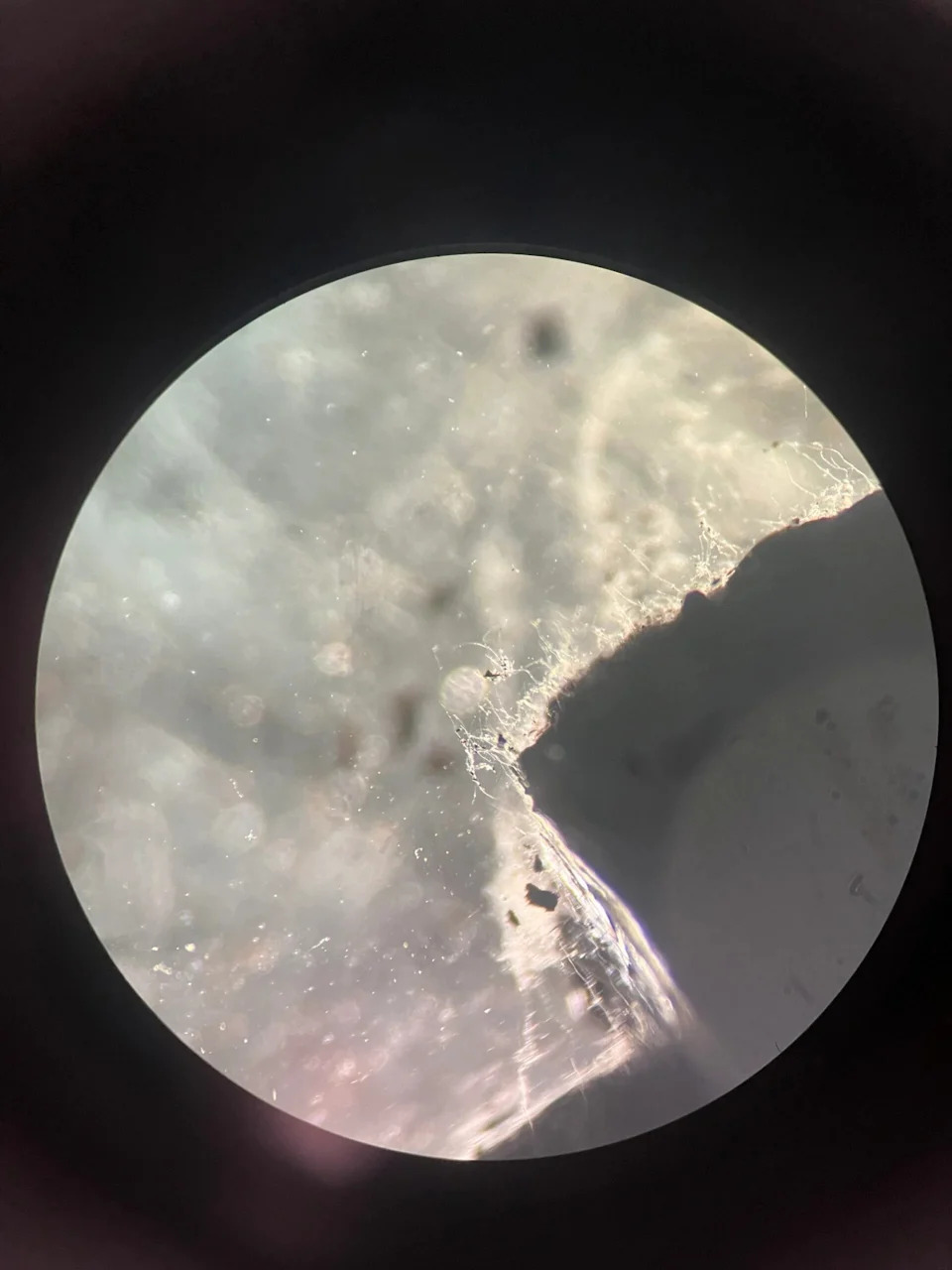
The fungal communities were discovered hundreds of feet below the Great Lakes region, where water samples had been isolated from the surface world for thousands of years.
What They Found
Beyond fungi, the team also observed multicellular organisms such as tiny segmented worms and tardigrades (water bears). The researchers propose these organisms may form an underground food web in which some species graze on fungi or bacteria while others act as predators or parasites.
Fungal cell densities measured in the subsurface water were comparable to those in seawater: a single drop contained roughly 250 fungal cells. The authors extrapolated this density to more than 12 trillion fungal cells in the volume of an Olympic-sized swimming pool, underscoring the potential scale of hidden belowground biomass.
Why It Matters
These findings suggest that organic‑rich rock layers beneath continents could harbor substantial fungal biomass and biodiversity that have been omitted from global estimates. Fungi in the deep subsurface may play key roles in breaking down buried organic material and influencing how carbon is stored and transported within Earth’s crust. The study also raises broader implications for our understanding of life’s limits and of ecosystems isolated from sunlight for millennia.
The researchers emphasize that incorporating subsurface habitats into global surveys could meaningfully change estimates of Earth’s fungal diversity and biomass. Future work will aim to characterize the metabolic activity, ecological interactions and biogeochemical impacts of these hidden communities.
Help us improve.