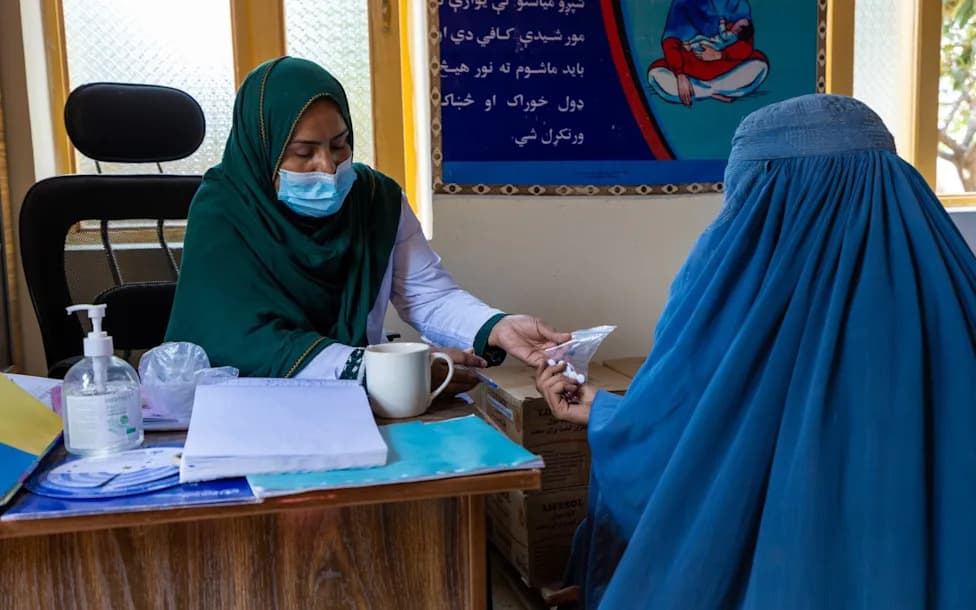
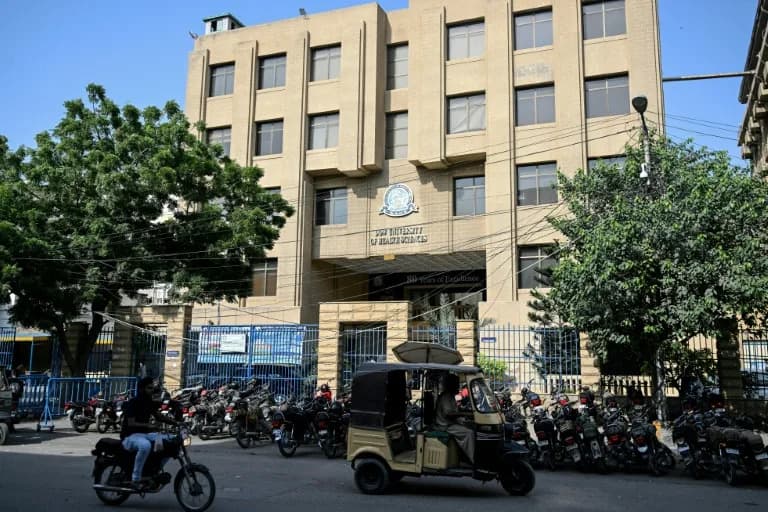
The AFP interviews reveal deep emotional distress among Afghan fathers after the Taliban banned girls from secondary school in March 2022. Many men — including religious and pro-government fathers — say they cannot justify the measure and are seeking alternatives such as clandestine lessons, home tutoring, online courses, or emigration. The UN estimates at least one million girls have been affected, while families face financial, legal and psychological hardship as they try to keep their daughters learning.
Afghan Fathers in Agony as Taliban Ban Denies Daughters Secondary Education
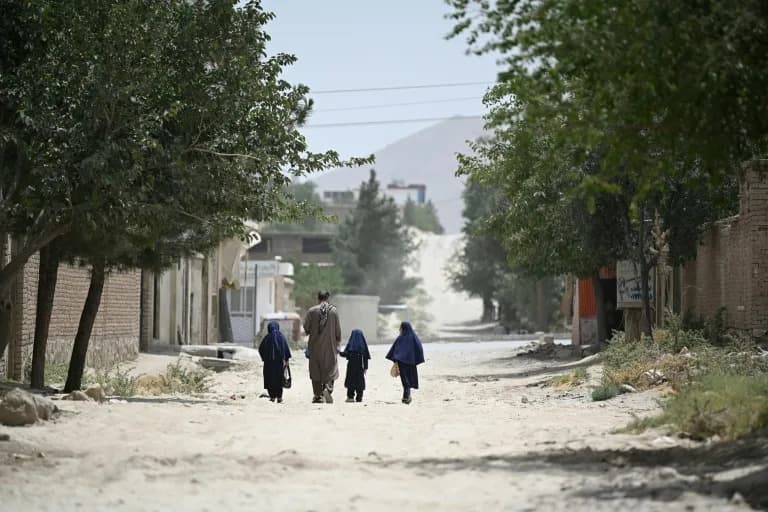
A father brings his daughters to primary school in Kabul
Father after father interviewed by AFP across Afghanistan described choking back emotion as the Taliban ban preventing girls from progressing beyond primary school approaches another academic year. The private anguish behind closed doors is evident: even deeply religious men and some who praise the Taliban for restoring security say they cannot justify the restriction.
A Ban With Global Consequences
Taliban authorities defend the measure — unique in the world — on the basis of their interpretation of Islamic law. Many fathers dispute that interpretation: as one devout man told AFP,
"You will never find in the Quran that education is only for men."Officials say the ban is temporary, but after more than four years the United Nations estimates that at least one million girls have been directly affected by restrictions on secondary education.
Personal Stories: Hope, Risk and Despair
Engineer Ahmad, whose wife was a secondary school maths professor and is no longer allowed to teach, said he never imagined "one day my daughters would be illiterate." With his eldest finishing primary school and clandestine lessons costing more than half his salary, Ahmad feels forced to consider leaving the country — yet legal escape routes are limited and risky.
Mohammad, a doctor in Kabul province, hoped to send his daughters to top universities. He now pays a private school that secretly combines general subjects with religious instruction about 10,000 Afghanis ($153) per month — and that school issues no official certificates. He fears inspections and the possibility officials could detain students.
From Kandahar, a father identified only as N describes his 12-year-old daughter's passion for astronomy and her stunned question:
"How can I learn... if I cannot go beyond grade six?"He moved the family to Kabul and looks for underground classes or online courses, but rising costs and shrinking aid make such options precarious.
M, a devout logistics manager, hides in another room to cry when his 13-year-old becomes overwhelmingly disappointed. He once saved to move the family to Iran for university opportunities; the war and subsequent restrictions ended that plan. To provide social contact he enrolled his daughter in a Quranic school, but she has lately refused to attend, saying, "Even if I continue, there will be no future for me."
Nasir and his wife, both educators by inclination, tutor their daughters at home using secondhand high-school textbooks and a strict daily routine. Still, their younger girl shows signs of depression. The family also risks attending secret classes outside the home, and their nights are increasingly sleepless.
Wider Context and Risks
A United Nations survey last year found nine out of 10 Afghan men considered it important for girls to attend secondary school, and nearly two-thirds said it was "pious" for a father to support his daughter's education. Some men have been jailed for protesting the ban. Universities were closed to women later in 2022, narrowing higher education options further.
Families exploring alternatives face multiple obstacles: clandestine lessons often charge high fees and provide no official certification; borders with neighboring countries have been sealed at times, blocking cross‑border schooling; and some Western countries have tightened visa access for Afghans despite criticizing the restrictions. Parents report legal risks, inspections of secret schools, and the possibility of arrest.
What Comes Next?
Fathers across Afghanistan describe sleeplessness, anxiety and the daily effort to keep their daughters hopeful. Many are resourceful — organizing home tutoring, secret classes, online courses where possible, or planning emigration. Yet economic pressures, legal danger and restricted travel options limit these paths. After four years of restrictions, communities worry about a lost generation of young women and the long-term impact on Afghanistan's development.
Sources: Interviews with Afghan fathers conducted by AFP; United Nations estimates and surveys; reporting on education restrictions since March 2022.
Help us improve.