Researchers report that therapeutic apheresis—a filtration treatment for severe high cholesterol—appears to reduce circulating levels of some PFAS and, in limited tests, some microplastics immediately after treatment. Results varied by laboratory and method: one set of samples showed up to ~25% PFAS reductions, while another lab reported average falls of 43.5–75.8% in a small subset. Microplastic findings were inconsistent and vulnerable to contamination. Larger, standardized trials and longer follow-up are needed before apheresis could be considered for pollutant removal.
Cholesterol Filter May Also Remove Some PFAS And Microplastics From Blood, Small Study Finds
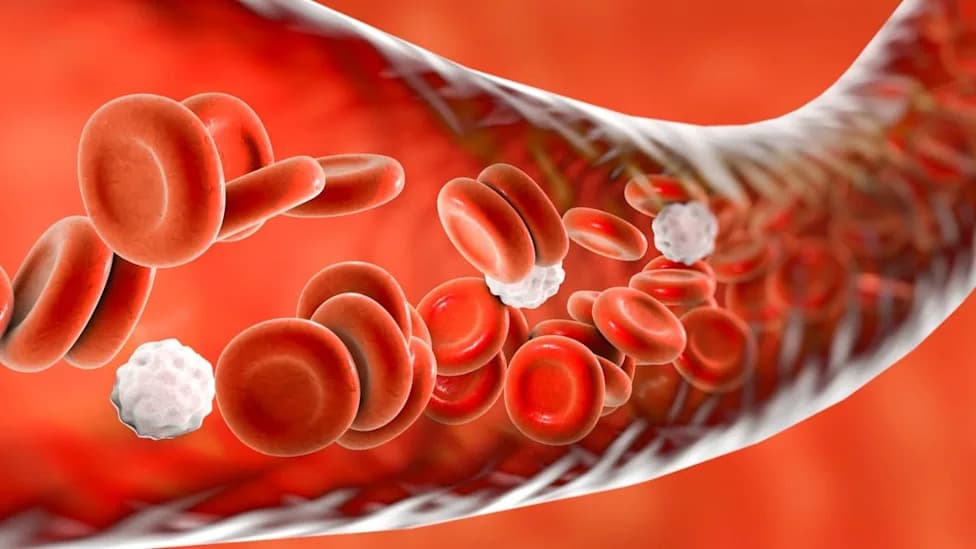
(Science Photo Library/Canva)
A medical filtration procedure used to treat severe high cholesterol may also reduce circulating levels of certain persistent synthetic chemicals (PFAS) and, in some cases, microplastics — at least immediately after treatment, according to early findings from a small German study.

YouTube Thumbnail
How Therapeutic Apheresis Works
Therapeutic apheresis (double-filtration plasmapheresis) circulates a patient’s blood through a machine that separates blood cells from plasma and then passes the plasma through a second filter that removes larger targets such as lipoproteins (cholesterol-carrying particles). The cleaned plasma and cells are returned to the patient. The procedure is used clinically for people whose cholesterol cannot be controlled with medication alone.
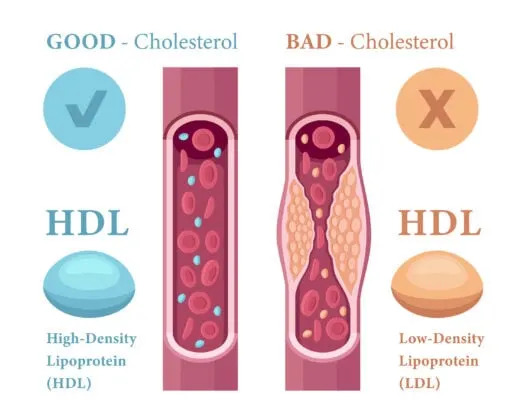
Good HDL and bad LDL cholesterol. (University of Utah)
What the Study Measured
Researchers analyzed blood samples taken immediately before and after apheresis in small patient groups. The Brain Health study measured several per- and polyfluoroalkyl substances (PFAS) — chemicals used in nonstick cookware, water-repellent textiles and some packaging that can persist for years in the environment and the body. The team also sought evidence of micro- and nanoplastic particles in plasma and in material washed from used filters.
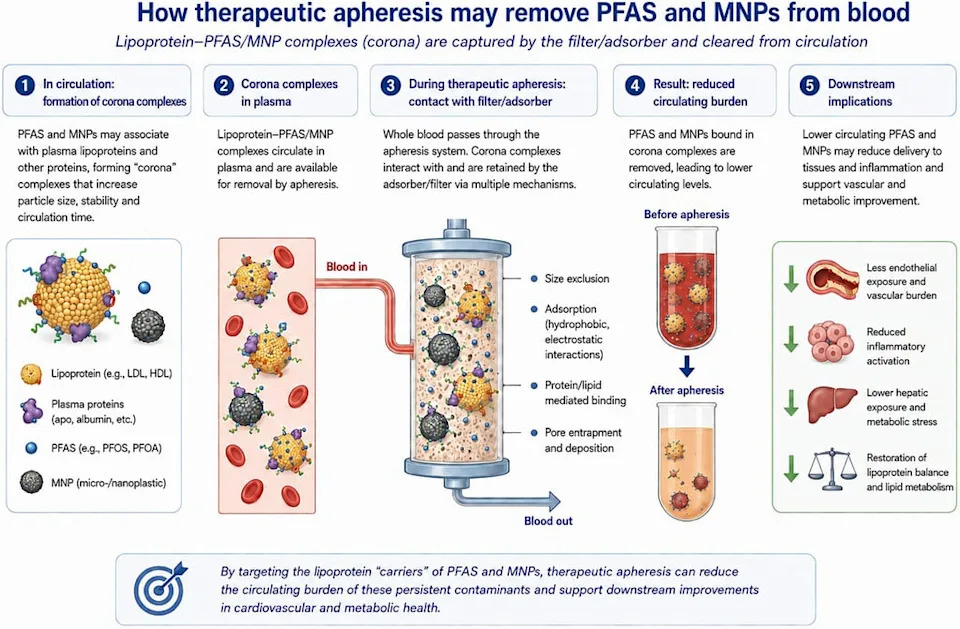
Schematic overview of how therapeutic apheresis may reduce circulating PFAS and MNPs. (Bornstein et al.,Brain Health, 2026)
Key Findings
Across the small samples, results varied by lab and method:

Subscribe to ScienceAlert's free fact-checked newsletter
- In 14 patients undergoing double-filtration plasmapheresis, concentrations of four common PFAS fell by as much as about 25% immediately after a procedure.
- A separate laboratory analyzing samples from four patients with a different method reported average PFAS reductions ranging roughly from 43.5% to 75.8%.
- Microplastic results were inconsistent: polyethylene levels dropped in all four patients tested, and polyvinyl chloride declined in three, but other polymers showed mixed patterns and some circulating plastic measurements increased after treatment.
- Investigators repeatedly detected microplastic particles in eluates recovered from used apheresis filters, suggesting filters can capture some particles. However, trapped particles do not prove a sustained reduction in the body's total microplastic burden because plastics stored in tissues could re-enter circulation later.
"What we consider the most important finding of our study is that therapeutic apheresis ... also reduced circulating levels of PFAS and microplastics," said molecular endocrinologist Charlotte Steenblock of the Dresden University of Technology. "This was unexpected, as PFAS and microplastics are chemically distinct from lipoproteins and were not the intended targets of the treatment."
Limitations And Cautions
The study was exploratory and limited by small and partly different patient groups, varying analytic methods, and the high risk of environmental contamination when measuring microplastics. The two PFAS result sets cannot be directly compared because they used different laboratories and assays. Importantly, the researchers did not measure how long any reductions persisted or whether they produced clinical benefits.
A separate 2026 report in the Journal of Clinical Apheresis examined 174 plasma-exchange procedures and found that microplastic counts fell in patients with high starting levels but rose in those with low starting levels; the authors suggested that plastic tubing and fluid bags may introduce particles during procedures.
What This Means
These preliminary results raise the intriguing possibility that apheresis filters can capture some PFAS and microplastic particles, either directly or by removing complexes bound to lipoproteins or plasma proteins. However, the current evidence is insufficient to support using apheresis as a treatment for environmental pollutant exposure. Larger, controlled trials with standardized measurements and longer follow-up are needed before clinical recommendations can change.
Bottom Line
Therapeutic apheresis may lower circulating levels of certain PFAS and sometimes microplastics immediately after treatment, but the evidence is early and mixed. The procedure remains a specialist medical intervention for specific clinical indications, not a proven detox for environmental contaminants.
Help us improve.