The USDA says a Texas facility to breed sterile flies against the New World screwworm will open ahead of schedule in spring 2027. The June detection in Texas is the first U.S. infestation in about 30 years and threatens up to $1 billion in livestock losses. The Panama plant now produces about 100 million sterile flies weekly; the Texas site is expected to add 100 million per week by end-2027 and could reach 300 million per week by end-2028. Experts estimate roughly 500 million sterile flies per week are needed to drive the pest south toward the Darién Gap.
USDA Accelerates Texas Sterile‑Fly Facility Opening to Spring 2027 to Fight Screwworm
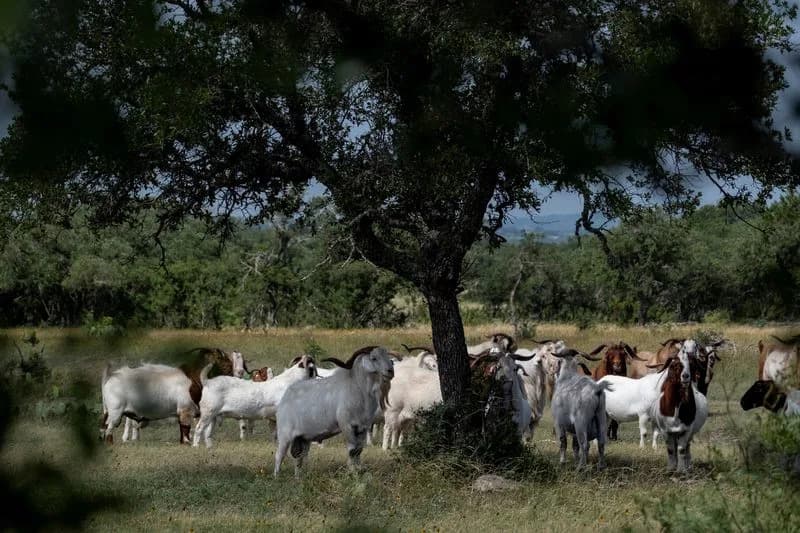
FILE PHOTO: Livestock roam a field adjacent to Texas State Highway 55 after the confirmed number of U.S. cases of New World screwworm, a parasitic fly that eats warm-blooded animals alive, rose to 15 after three more animals tested positive in two Texas counties, northwest of Rocksprings, Texas, U.S. June 22, 2026. REUTERS/Joel Angel Juarez/File Photo
The U.S. Department of Agriculture (USDA) announced on X that a Texas facility to breed sterile flies to combat the New World screwworm will open ahead of schedule in spring 2027.
Previously, the agency had indicated the plant would begin operations at the end of next year. The expedited timeline is part of the USDA's response to the June detection of the parasitic screwworm fly in Texas — the first U.S. infestation in roughly 30 years — which threatens up to $1 billion in losses to the state's livestock industry.
Why Sterile Flies Matter
Sterile insect release is the primary tool for controlling screwworm. Sterile males are released into the environment to mate with wild females; because these matings produce no offspring, the pest population declines over time. Currently most sterile screwworm flies are produced at a Panama facility that manufactures about 100 million sterile flies per week.
Planned Production Increases
According to the USDA's New World Screwworm Rapid Response account on X, the planned Texas plant would add roughly 100 million sterile flies per week by the end of 2027. The agency said production at the Texas site could scale up to as many as 300 million per week by the end of 2028.
Experts estimate roughly 500 million sterile flies per week are needed to push the pest south toward the Darién Gap — the rainforest corridor between Panama and Colombia.
Context and Next Steps
The accelerated opening aims to bolster domestic supply and reduce reliance on the Panama facility while response teams work to contain and eradicate the infestation. Federal and state agencies will continue surveillance, animal treatments, and targeted release programs as the production ramp-up proceeds.
(Reporting by Leah Douglas in Washington; edited for clarity and flow.)
Help us improve.