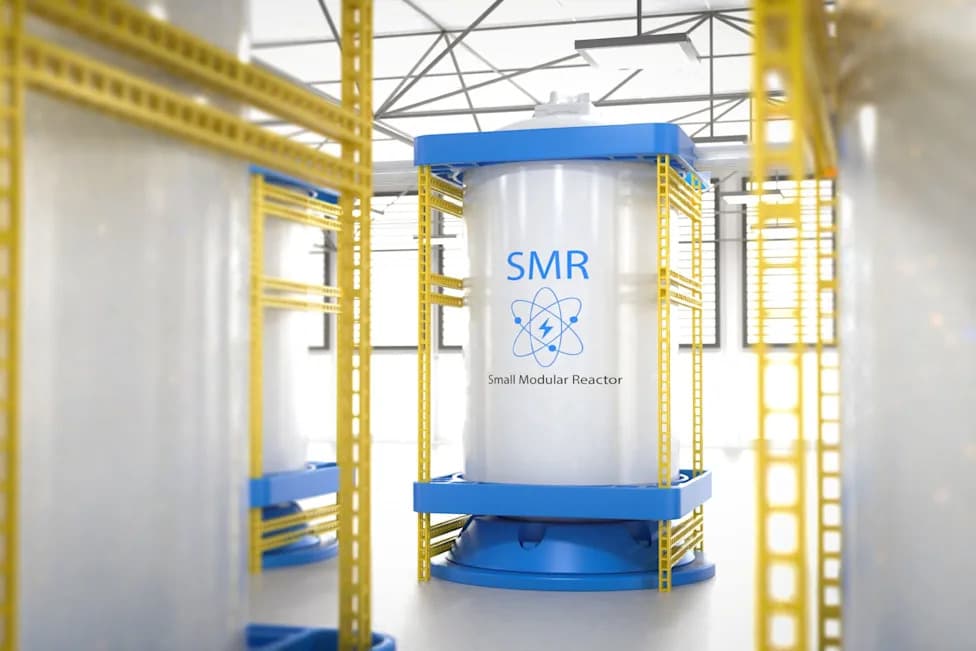
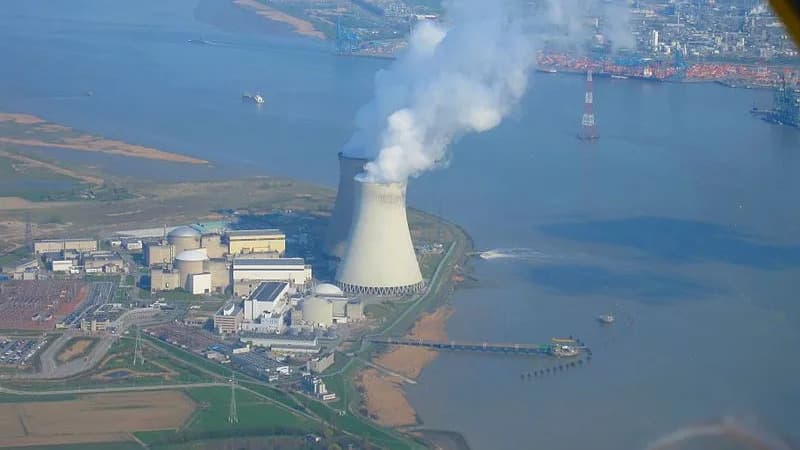
The United States is supporting the IAEA’s ATLAS initiative to clarify rules for civilian nuclear reactors on ships and floating platforms, with an Industry Day on August 25 and the official launch on August 26–27 in Washington. Proponents say small modular reactors (SMRs) offer high energy density and long operating cycles suitable for maritime and offshore uses. The move highlights potential benefits for coastal power and desalination, but authorities warn that sea-based reactors change risk profiles and require strong international safety, environmental and regulatory frameworks.
US Backs IAEA’s ATLAS Push To Clear Rules For Small Nuclear Reactors On Ships And Floating Platforms
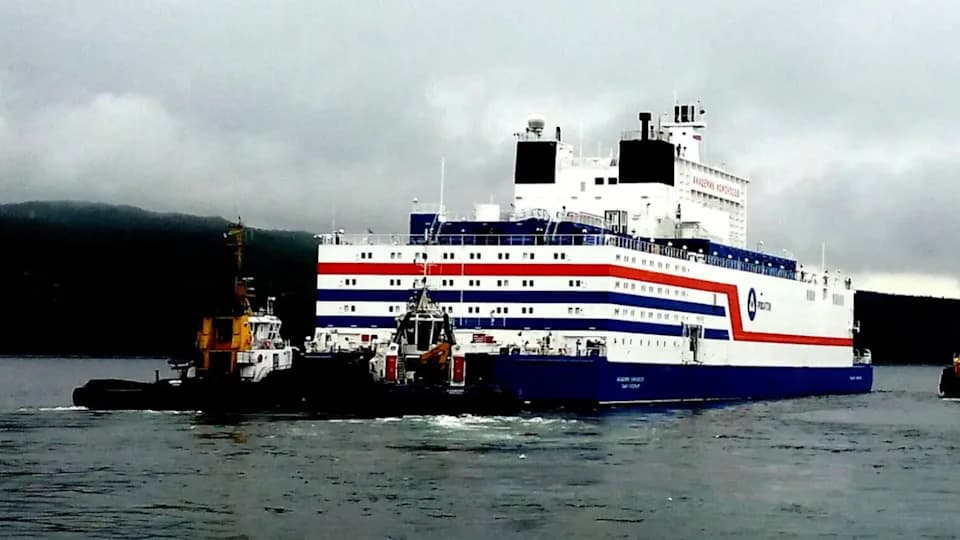
Credit: Elena Dider, CC 4.0 via The Register
The United States is backing an international effort to remove regulatory barriers for civilian nuclear reactors on ships and floating platforms — a move that could pave the way for mobile or stationary floating power plants serving coastal towns, industrial users and desalination facilities.
The International Atomic Energy Agency (IAEA) will formally launch its Atomic Technologies Licensed for Applications at Sea (ATLAS) initiative in Washington on August 26–27, with a US Industry Day on August 25 to showcase relevant technologies and gather stakeholders.
Why ATLAS?
IAEA Director General Rafael Mariano Grossi says the maritime sector faces a pivotal moment as it seeks ways to maintain long-distance, high-speed operations while improving reliability and energy security. Small modular reactors (SMRs), with their compact design, high energy density and extended operating intervals, are being promoted as a solution that could reduce the need for frequent refueling and support prolonged offshore operations.
Who’s Involved
The ATLAS launch will bring together IAEA members, industry representatives, regulators and civil society groups. The United States is hosting preliminary industry engagement to highlight technologies and ensure American companies and research institutions can participate in shaping standards and supply chains.

Google logo on a black background next to text reading 'Click to follow TechRadar'
Precedent And Potential Applications
Naval nuclear propulsion is well established: US Navy aircraft carriers and submarines use nuclear power. Civilian examples also exist — the NS Savannah was the first nuclear-powered merchant vessel (launched in 1959), though it proved uneconomical at the time. Russia currently operates the Akademik Lomonosov, a floating plant that entered service in 2019 and uses two KLT-40S reactors to produce roughly 70 MW of electricity for remote coastal communities and light industry.
Benefits And Risks
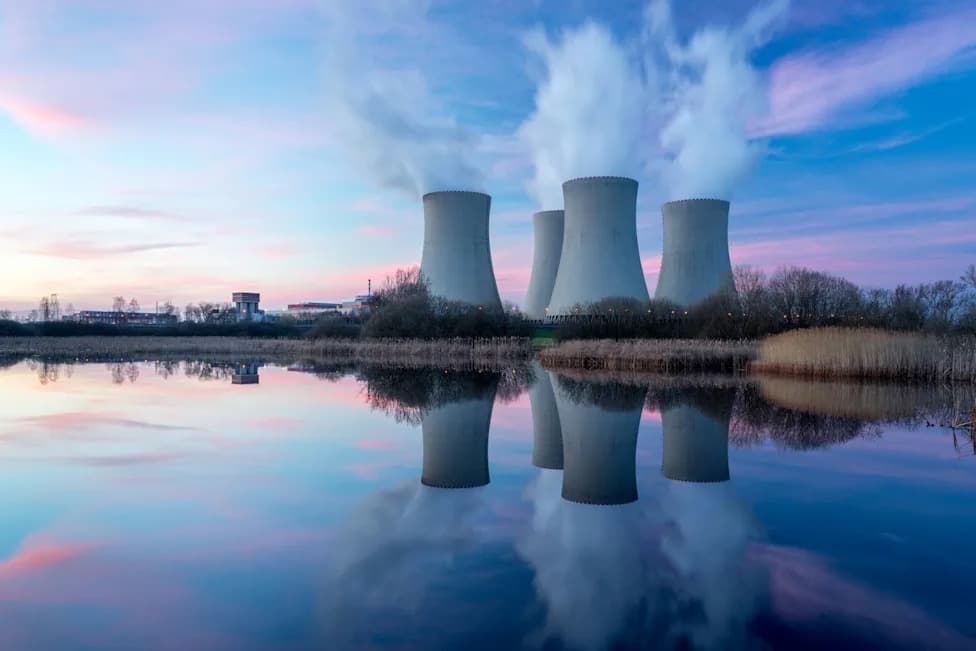
Proponents argue SMRs could deliver concentrated, long-duration power offshore for industry, ports, and desalination plants, potentially lowering reliance on fossil fuels and improving energy resilience. The ocean environment offers a large heat sink that can aid reactor cooling.
However, placing reactors at sea changes — rather than eliminates — risks: remote platforms may lack redundant backup systems, emergency response and access could be more difficult, and accidents risk contaminating marine environments and nearby coastal communities.
Regulatory Challenges
ATLAS aims to create clearer international guidance on safety, security, environmental protection and safeguards for sea-based civilian reactors. International standards will be needed to address licensing, transport, emergency response, waste management and non-proliferation concerns before commercial deployment can scale.
Outlook
Interest in shipborne and floating SMRs signals renewed consideration of nuclear options for maritime and offshore energy needs. Whether modern SMR designs can overcome past economic and logistical obstacles and achieve safe, socially acceptable deployment remains to be seen — and will depend on robust regulation, transparent safety assessments and community engagement.
Credit: Elena Dider, CC 4.0 via The Register
Help us improve.