Two separate mental-health emergencies played out on TikTok Live within days: K-pop influencer Mina Chan died after an August 5 livestream in South Korea, and Perez Hilton was hospitalized after a self-harm incident during an August 4 stream in Florida. TikTok relies on automated detection, human moderators and user reports, but reported moderation delays and the difficulty of interpreting live context expose limits in responding to fast-moving emergencies. Reuploads to other platforms can further spread footage and prolong trauma; both families have asked for privacy and compassion.
Mina Chan’s Death and Perez Hilton’s Hospitalization Expose Gaps in TikTok Live Safety
ZUMAPRESS.com / MEGA
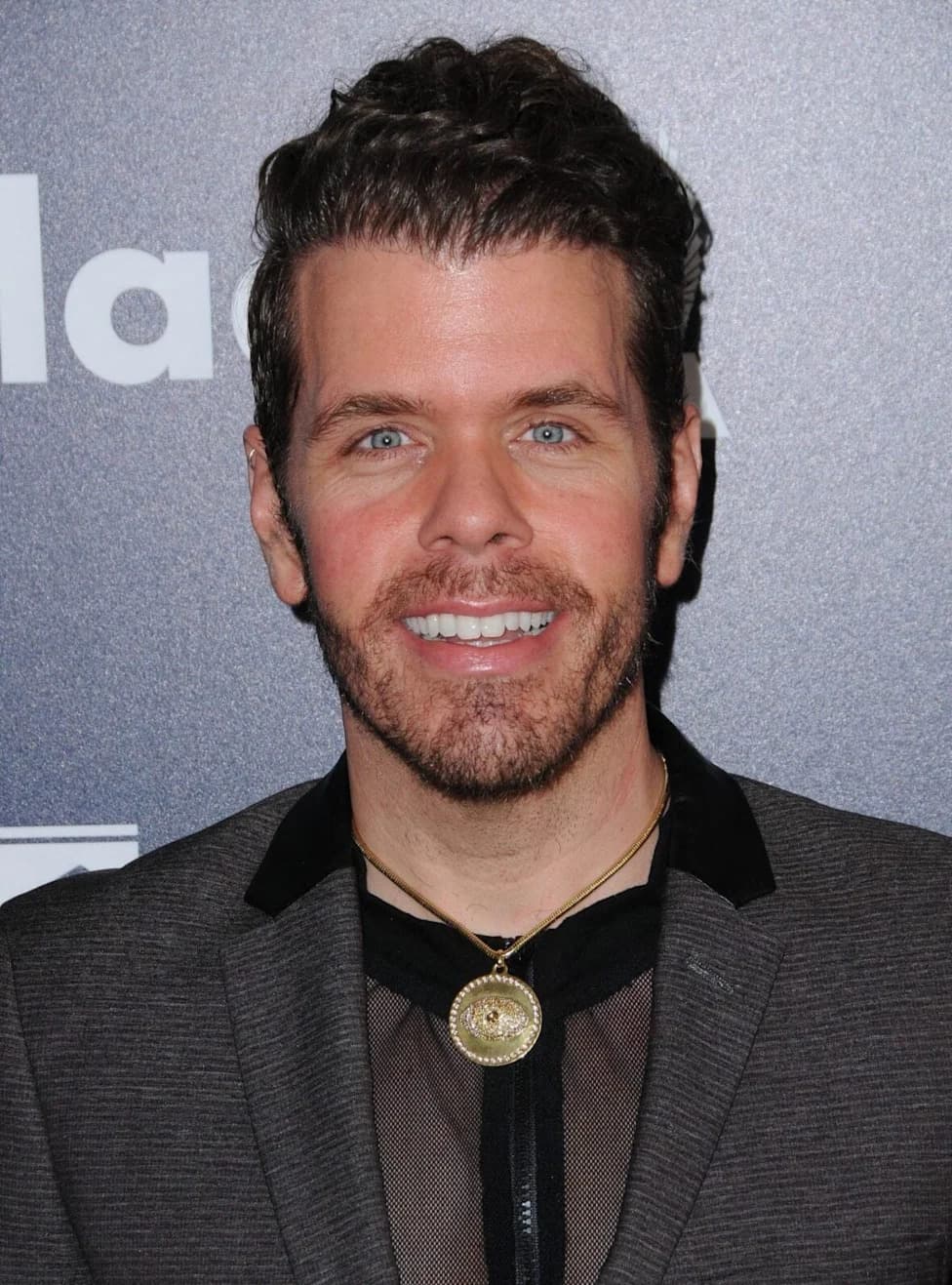
Two separate mental-health emergencies that unfolded on TikTok Live within days of each other have renewed scrutiny of the platform’s ability to detect imminent danger and intervene fast enough to prevent tragedy. K-pop influencer Mina Chan died after a livestream from South Korea on August 5, while celebrity blogger Perez Hilton was hospitalized following a self-harm incident during a TikTok Live from his Florida home on August 4.
What Happened
Mina Chan, a 26-year-old Japanese social media personality active in the ENHYPEN fandom under the username sweeter_nk, was the subject of a police notification to Seoul authorities at approximately 5:33 a.m. on August 5 after a livestream showed her in apparent danger. Yongsan Police Station is investigating the circumstances surrounding her death.
Janet Gough / AFF-USA.COM / MEGA
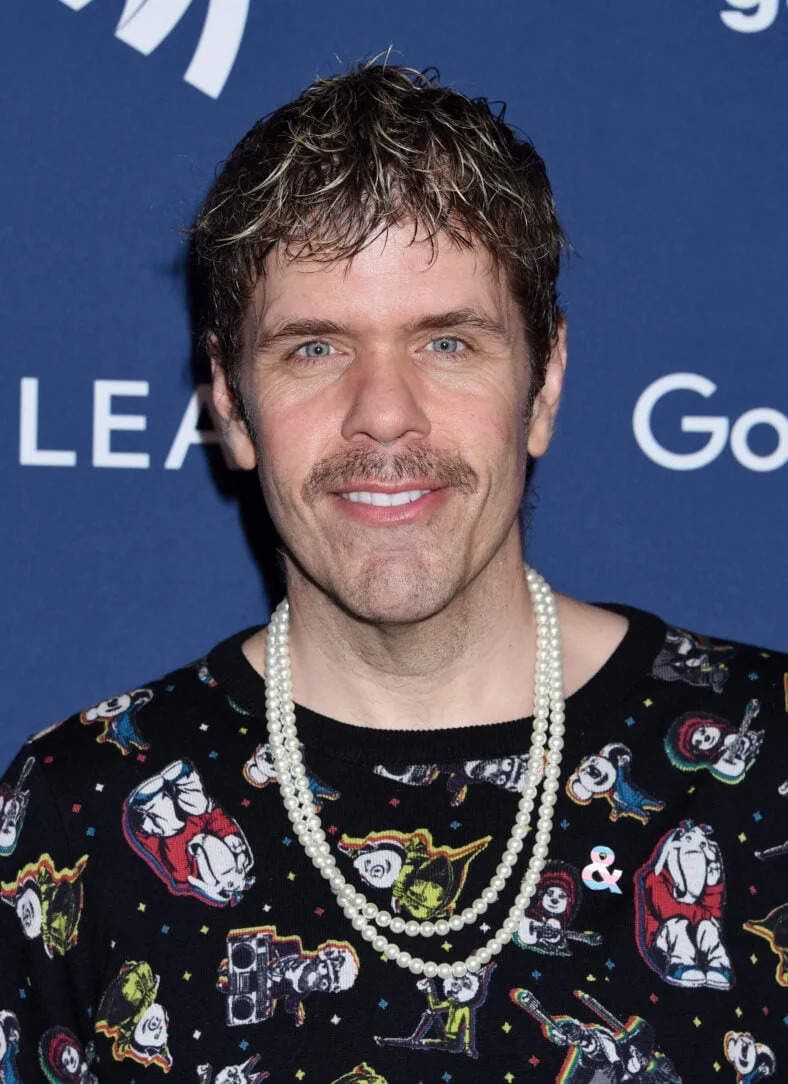
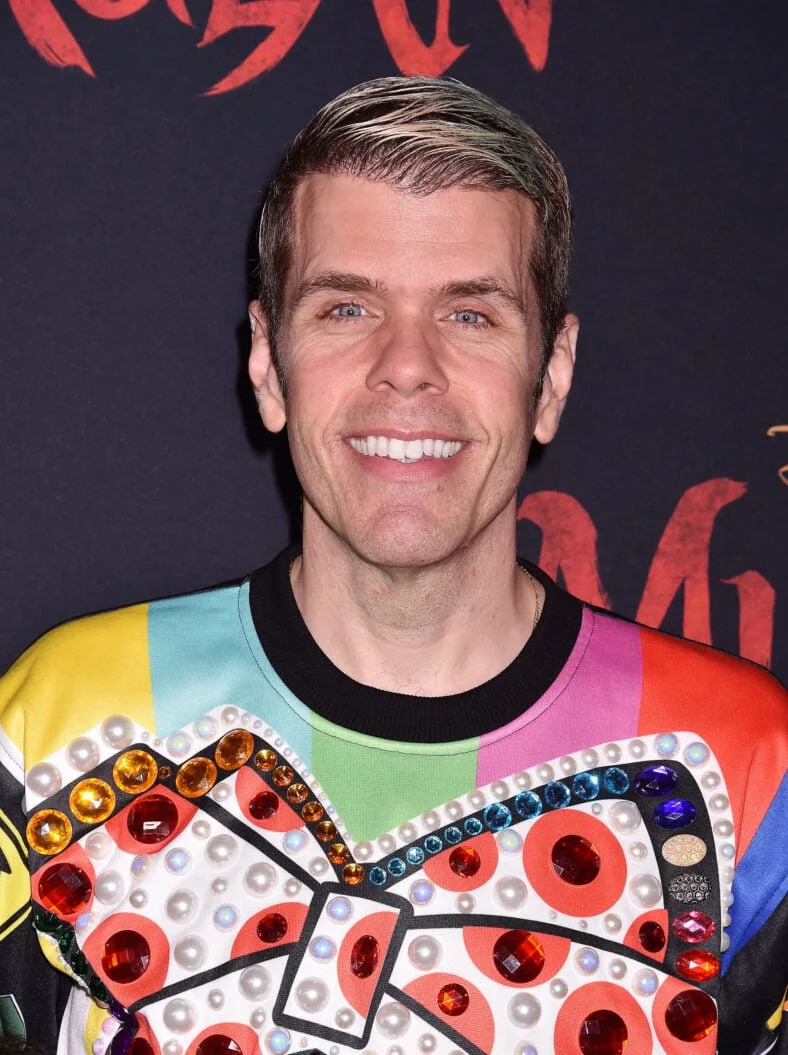
On August 4, viewers of Perez Hilton’s livestream alerted authorities after he appeared to harm himself. Miami-Dade deputies transported him to a hospital, and his family later said he remained in "serious but stable" condition and required surgery for significant injuries.
How TikTok Monitors Live Content
TikTok’s Community Guidelines prohibit content that depicts, promotes, or provides instructions for suicide or self-harm. The company says livestreams are initially processed by automated systems; content flagged by those systems may be removed automatically or escalated to human moderators. The platform also depends on user reports and says it may contact local emergency services when it identifies a specific, credible and imminent threat to someone’s life.
Jeffrey Mayer/JTMPhotos, Int'l. / MEGA
Why Live Streams Are Hard To Moderate
Live streaming creates unique challenges compared with prerecorded posts because it enables instant interaction between creators and viewers. A broadcast may begin normally and then escalate quickly, leaving little time for automated tools or human moderators to assess context and act. Distinguishing between a person describing past struggles, asking for help, or expressing an immediate threat requires nuanced judgment that automated systems can miss—especially when viewers use indirect language or coded phrases.
Aftermath, Reuploads, And Harm
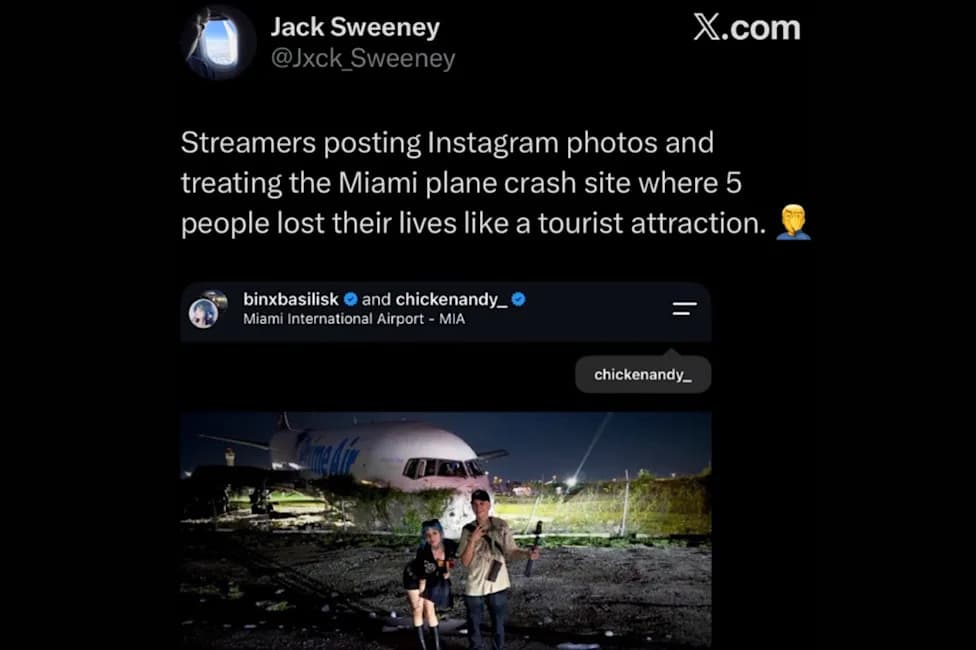
Even after a livestream is removed, screen recordings and clips can be reuploaded to other platforms such as X, Instagram, or YouTube within minutes. Those reuploads can prolong trauma for families, spread footage to new audiences without context or warnings, and turn a private crisis into viral material circulated for shock value.

KWKC/MEGA
Both Chan’s family and Hilton’s relatives have asked for privacy and compassion as they cope with these events.
What This Means
The two incidents—unrelated in outcome and unconnected to one another—illustrate the grave stakes when platforms built on instantaneous interaction must balance content moderation with emergency intervention. Improving detection, reducing moderation delays, and finding ways to swiftly provide accurate location or identifying information to first responders are central challenges going forward.
Help And Resources
If you or someone you know is in immediate danger, call your local emergency number. If you or someone you know is experiencing emotional distress or contemplating suicide in the U.S., call or text the 988 Suicide & Crisis Lifeline at 988 for confidential support.
Help us improve.