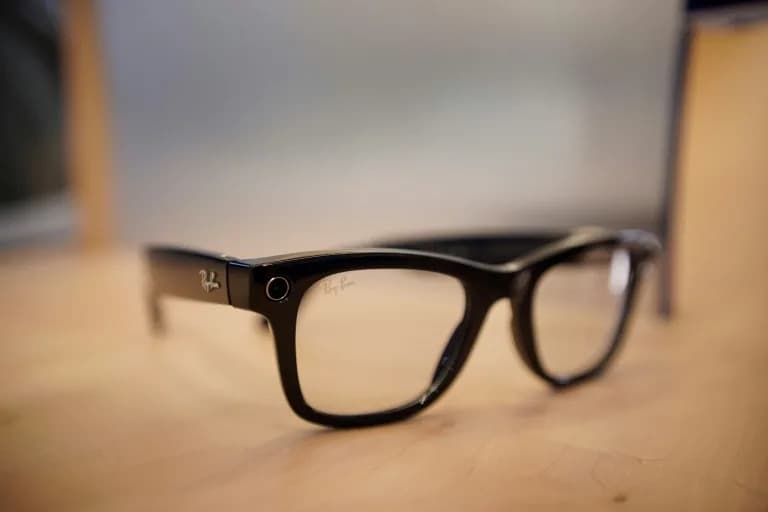
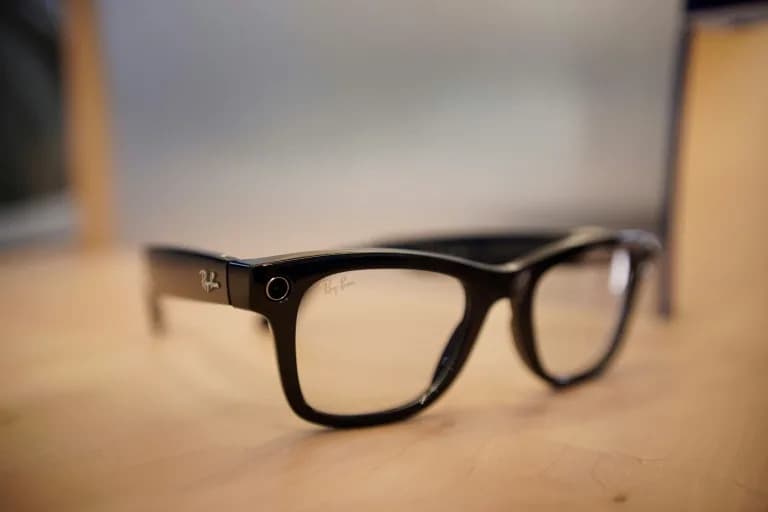
A University of Sydney study finds that ordinary-looking smart glasses are being used to secretly film women in places such as gyms, workplaces and campuses. Researchers analyzed 350 Instagram videos (2023–2026) and labeled roughly 60% of covert point-of-view clips as potential harassment; 43% of those filmed faced derogatory online comments and some were doxxed. The team urges clearer consent rules, stronger platform accountability and device-design changes so bystanders can tell when recording is taking place.
Study: Ordinary-Looking Smart Glasses Are Being Used to Secretly Film Women — 'Ambient Capture' Fuels Online Harassment
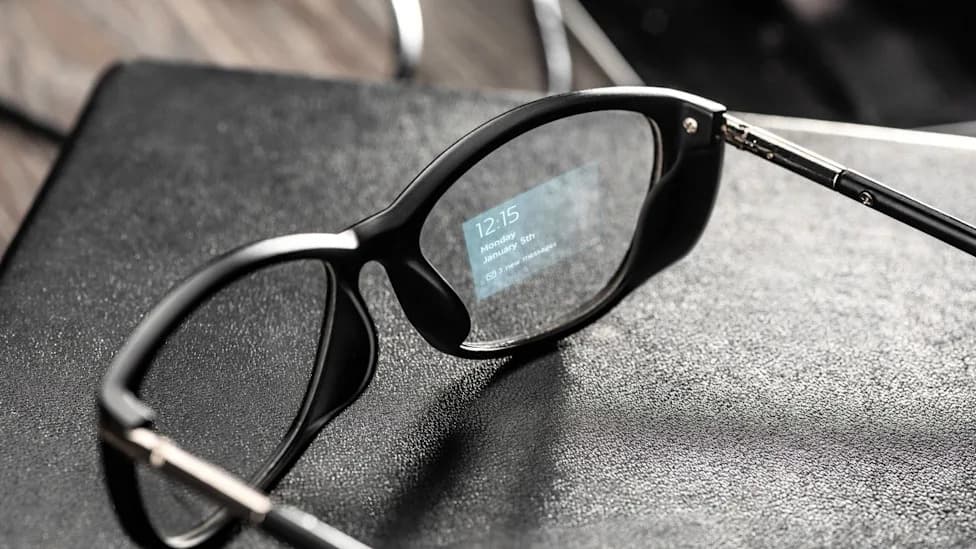
Photo credit: Depositphotos.
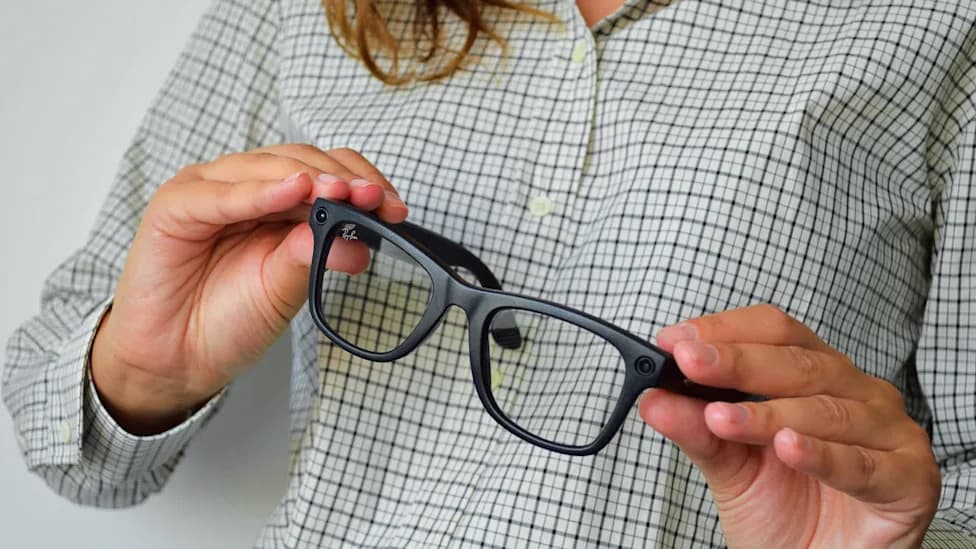
A University of Sydney study warns that ordinary-looking smart glasses are increasingly being used to record women without their knowledge in everyday settings. The research team says most people captured by these devices have little or no way of knowing they are being filmed, a pattern the authors call "ambient capture."
What the Study Found
Researchers from the Governing Immersive Tech team at the University of Sydney analyzed 350 publicly available Instagram videos posted between 2023 and 2026. They observed a rising use of discreet, point-of-view recordings made with smart glasses and similar wearables—recordings that are difficult for bystanders to detect.
Within a subset of covert point-of-view clips, the team classified roughly 60% of interactions as potential harassment. In many of those videos, women showed discomfort or attempted to refuse; despite that, filming and interaction frequently continued. In about 43% of the videos, the women recorded were exposed to derogatory online commentary, and some were identified and doxxed.
How These Devices Are Being Used
The report describes scenarios in gyms, workplaces, retail spaces, apartment stairwells, streets, beaches and university campuses where people were filmed without consent. The researchers also documented that some pickup-artist communities exploit smart-glass recording: men compete to capture a stranger's phone number or social-media handle on camera and then share the clips online for engagement and social proof.
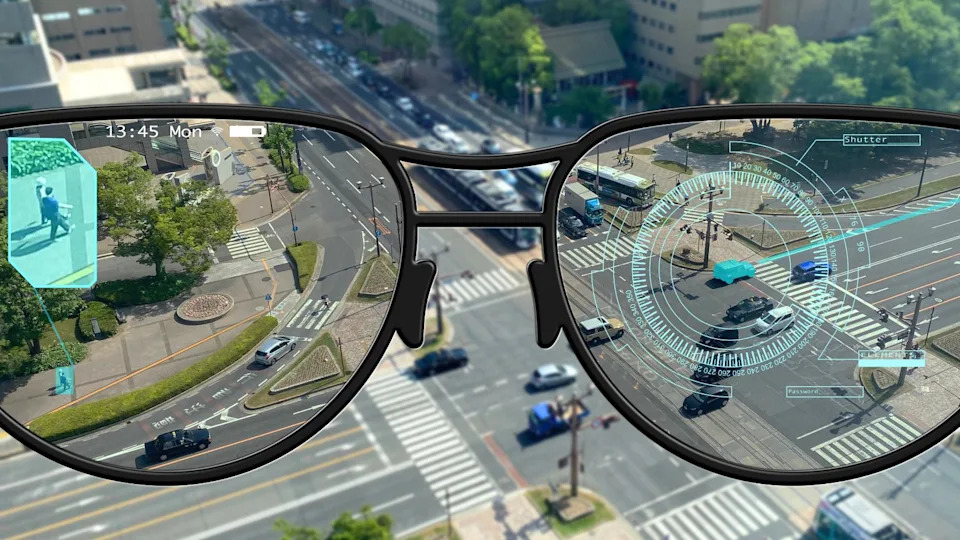
Photo credit: Depositphotos.
"You've basically handed your GPS tracker to the world," said Dr. Milica Stilinovic, a postdoctoral researcher on the project, explaining why a social-media handle can be more revealing and harder to block than a phone number.
Gaps in Law and Platform Moderation
The authors note that existing laws and major platform-moderation systems are not designed to detect or prevent this type of ambient capture. Moderation tools tend to target visible violations—explicit threats, nudity or overt harassment—rather than covert, non-consensual recordings that later fuel harassment and doxxing.
"You don't know if you're being filmed. That footage is then uploaded, exposing you to a wider web of harassment," Dr. Stilinovic said.
Chanel Contos, founder of Teach Us Consent, warned that regulation has not kept pace with inexpensive, widely available smart glasses. "At best, smart glasses normalize filming and sharing people without their consent, feeding algorithms designed to reward voyeuristic, rage-baiting content," Contos said. "At worst, they are used as a tool for sexual exploitation of children, women and other vulnerable groups."
Recommendations
The research team calls for several responses to reduce the harms of ambient capture:
- Clearer consent standards for recording people in public and semi-private spaces.
- Stronger platform accountability so social networks identify and remove non-consensual or exploitative clips more effectively.
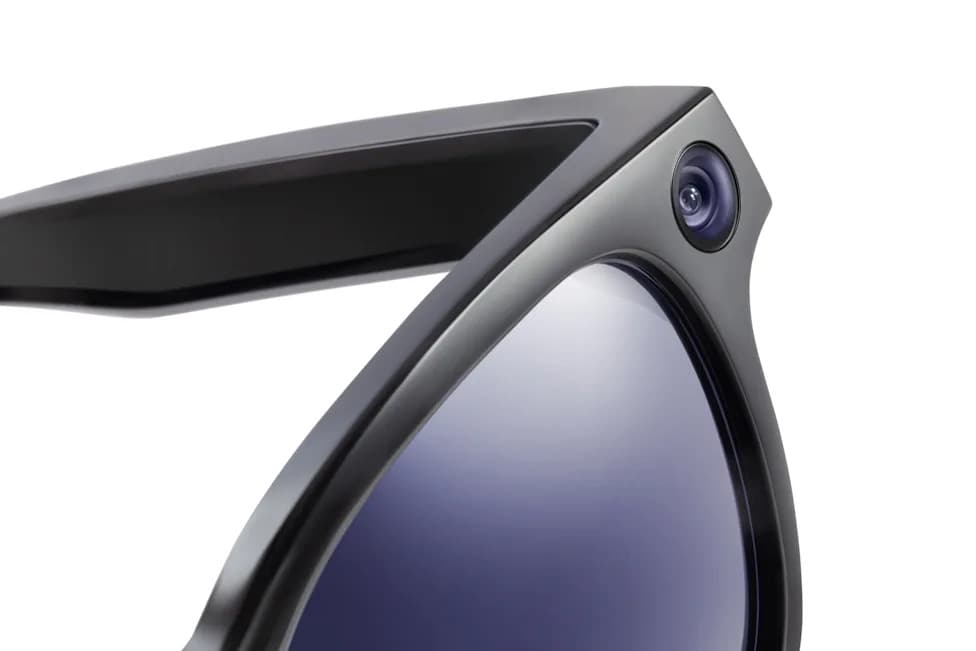
- Design requirements for wearable devices such as mandatory, obvious recording indicators so bystanders can tell when a device is capturing footage.
- Public awareness and training about the risks of sharing handles and other identifying information online.
The study emphasizes that a combination of policy, platform design and public education is needed to limit ambient capture and the online harassment that often follows.
Help us improve.