The WHO says the Ebola outbreak in eastern DR Congo began months before its 15 May declaration, meaning response teams have been playing catch-up. There are 4,294 confirmed cases and 1,960 deaths; transmission is driven by insecurity, misdiagnosis and traditional burial practices. The outbreak involves the Bundibugyo strain, which currently has no approved vaccine or established therapeutics, though dedicated treatment centres and faster diagnosis are improving the response.
WHO: Ebola Outpacing Response in Eastern DR Congo — 4,294 Confirmed Cases, 1,960 Deaths
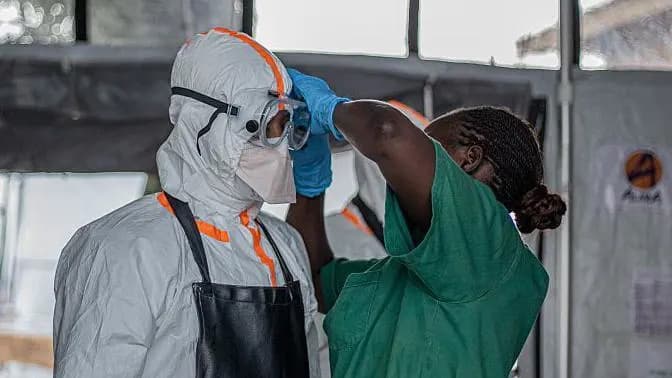
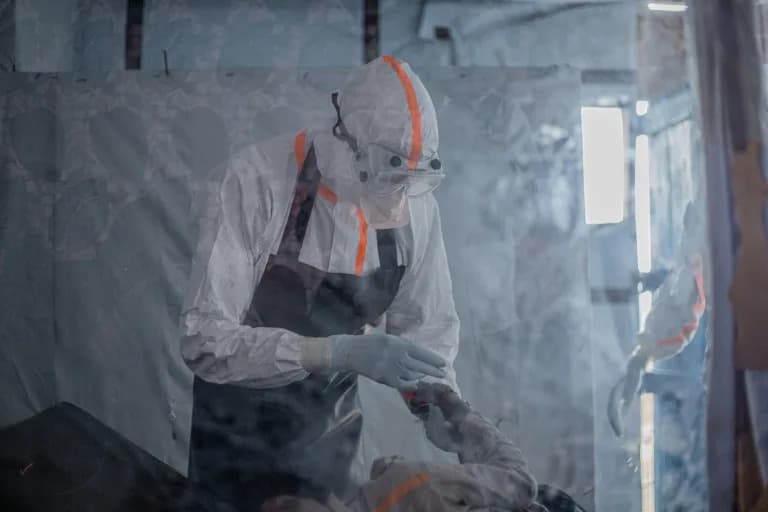
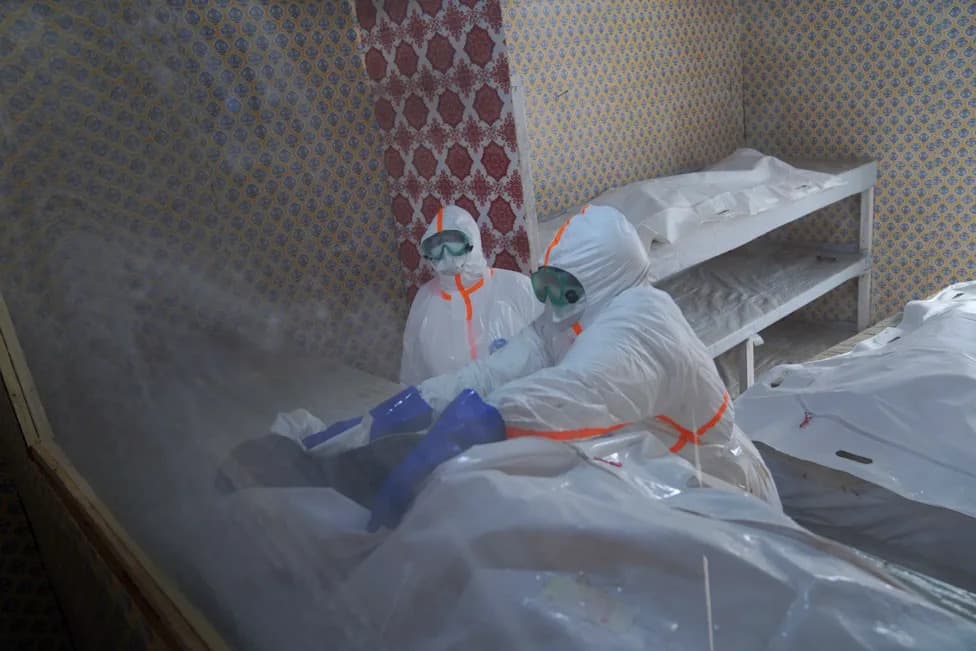
Health workers need to be fully protected as the virus can spread from touching bodily fluids. [Reuters]
The World Health Organization (WHO) warns that the Ebola outbreak in eastern Democratic Republic of Congo (DR Congo) began months before it was officially declared, leaving health teams struggling to contain transmission. Researchers now estimate that the virus began spreading in February, well before the 15 May declaration.
Current situation
As of the latest reports, DR Congo's health ministry lists 4,294 confirmed cases and 1,960 deaths. Infection rates remain high in the epicentre around Bunia and surrounding eastern provinces, driven by a mix of public-health and security challenges.
Why the response is lagging
"We are chasing the virus, the virus is ahead of us," said WHO Africa director Dr Mohamed Janabi at a briefing in Bunia.

[BBC]
Several interrelated factors have hampered an effective response:
- Delayed detection: Early cases were often misdiagnosed as malaria or typhoid, allowing the virus to spread undetected for weeks.
- Insecurity and access: Ongoing conflict and instability prevent health teams from reaching many communities; WHO estimates only about 30% of cases are being accessed by response teams, with many people dying at home.
- Community practices and mistrust: Traditional burial rites involving contact with the deceased, and suspicion of health authorities in some areas, have further increased transmission.
- Biological and medical limits: This outbreak involves the Bundibugyo species of Ebola, for which there is currently no approved vaccine or established therapeutic drugs, complicating clinical management and prevention.
What is being done
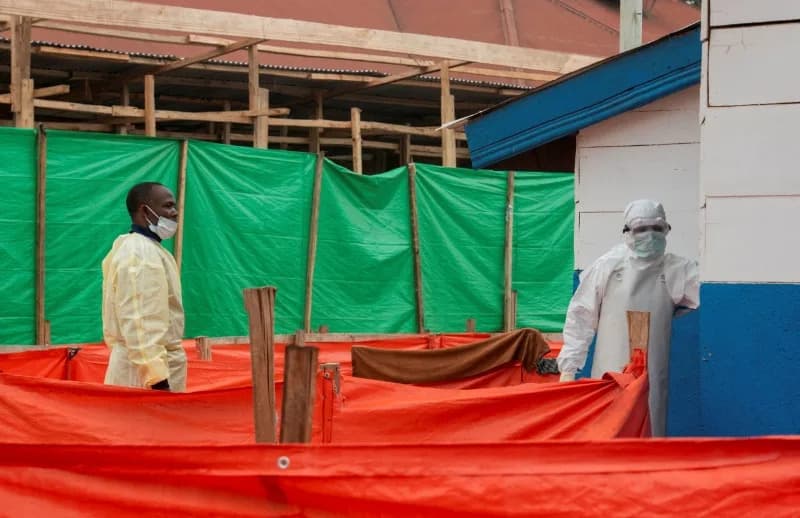
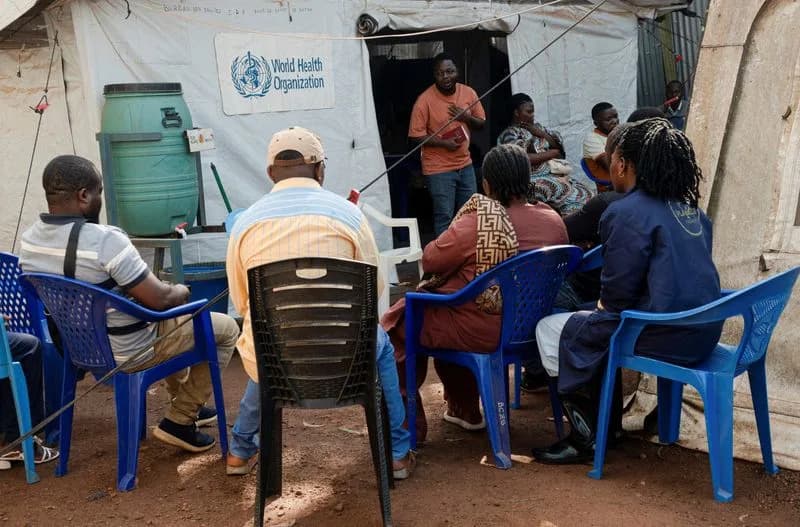
Response teams have established several dedicated treatment centres in eastern DR Congo and diagnostic turnaround is improving. Rapid case-finding, community engagement, safe burial teams and infection-control measures remain priorities, but progress is uneven where access is limited by insecurity or local resistance.
Context
By comparison, the largest recorded Ebola epidemic occurred in West Africa from 2014 to 2016, when 11,325 people died. While the current outbreak is smaller than that one, its spread despite ongoing international assistance highlights persistent operational challenges for outbreak response in fragile, conflict-affected settings.
Key statistics: Outbreak declared 15 May; research indicates spread began as early as February. Reported so far: 4,294 confirmed cases and 1,960 deaths.
Help us improve.