Longtime Rep. John Larson faces a well‑funded primary challenge from former Hartford Mayor Luke Bronin in Connecticut's 1st District. Bronin, a centrist with national ties, has spent heavily on TV and pitched his campaign as bringing "new energy" after nearly 28 years of Larson's incumbency. Larson's defenders counter that his seniority and committee roles deliver concrete results for Connecticut and worry about outside funding backing Bronin. The race underscores that generational change within the Democratic Party can take centrist as well as progressive forms.
Generational Shake-Up: Luke Bronin Threatens 28-Year Incumbent John Larson in Connecticut Primary
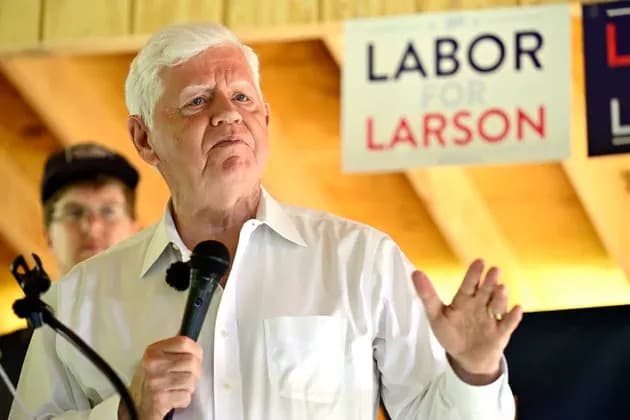
Rep. John Larson attends a campaign event on July 25 in Bristol, Connecticut. Jessica Hill/AP
Longtime Rep. John Larson, a 78-year-old Democrat who arrived in Congress as Bill Clinton's impeachment trial loomed, is facing an unexpectedly competitive primary challenge from former Hartford Mayor Luke Bronin, 47. The race in Connecticut's 1st District has become a focal point for debates over seniority, experience and whether voters want fresh energy in Democratic ranks.
A Different Kind Of Generational Challenge
Bronin is not the millennial, progressive insurgent that has unseated several incumbents this cycle. Instead, he is a well‑credentialed, mainstream Democrat — two terms as Hartford mayor, service in President Barack Obama's Treasury Department, deployment to Afghanistan with the Naval Reserve, and ties to national figures such as Pete Buttigieg. Backers argue his candidacy reflects a demand for turnover rather than a repudiation of Larson's record.
Money, Messaging And The Battle Lines
Financially, Bronin and allied super PACs have dominated television spending, outspending Larson roughly $2.1 million to $943,000 on media buys, according to tracking sources. Bronin's ads and allied messaging emphasize "new energy" and a fresh approach to Washington, avoiding direct age attacks and instead critiquing what they call worn routines in Congress.
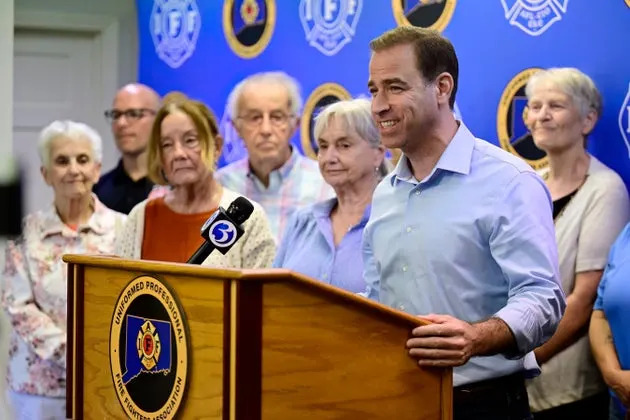
Luke Bronin, former mayor of Hartford and Democratic candidate for U.S. representative, speaks at a news conference with firefighters and teachers on July 23 in West Hartford, Connecticut. AP Photo/Jessica Hill
“Like anybody who's been doing the same thing for three decades, I think he's gotten stuck in some routines and stuck inside an institution that needs to be fixed,” Bronin said, arguing for a different style of representation.
Larson's Defense: Seniority, Experience And Tangible Wins
Larson's campaign and allies have reframed the contest as one of values and effective representation. They point to the value of seniority — his leadership roles on Social Security issues and work to secure manufacturing wins for Connecticut companies — as critical leverage that a newcomer would lack. Local unions, the Working Families Party and the state party establishment have been prominent defenders of the incumbent.
Supporters also stress Larson’s working‑class roots — growing up in public housing, earning a state college degree and teaching high school — to contrast with what they describe as Bronin’s more elite background. Critics of Bronin highlight past clashes with labor as Hartford mayor and the role of outside money backing his bid.
What The Race Signals
The Larson–Bronin contest illustrates that demand for generational change in the Democratic Party can come from multiple directions: progressive grassroots insurgents and better‑funded, centrist challengers alike. While national progressive leaders have largely stayed out of this race, the outcome will matter locally — for committee clout and representation — and could offer a template for how party renewal debates play out elsewhere.
Key facts: Bronin has outpaced Larson in TV spending; Larson emphasizes committee seniority and tangible outcomes for Connecticut; the race has highlighted tensions over outside money, class background and the best way to confront national GOP priorities.
Help us improve.