Dr. Daniel Kenigsberg discovered in 2023 that a nearly $1.5 million home had been built on a half‑acre lot he had owned since 1991 after an impostor allegedly sold the parcel in October 2022 using a forged passport. He sued the developer, reached a 2024 settlement, and declined to keep the land; the property later sold for about $1.45 million. The case highlights rising seller‑impersonation fraud and underscores recommendations to enroll in county property‑fraud alerts and monitor public records.
Connecticut Doctor Finds $1.5M Home Built On His Lot After Impostor Allegedly Sold It
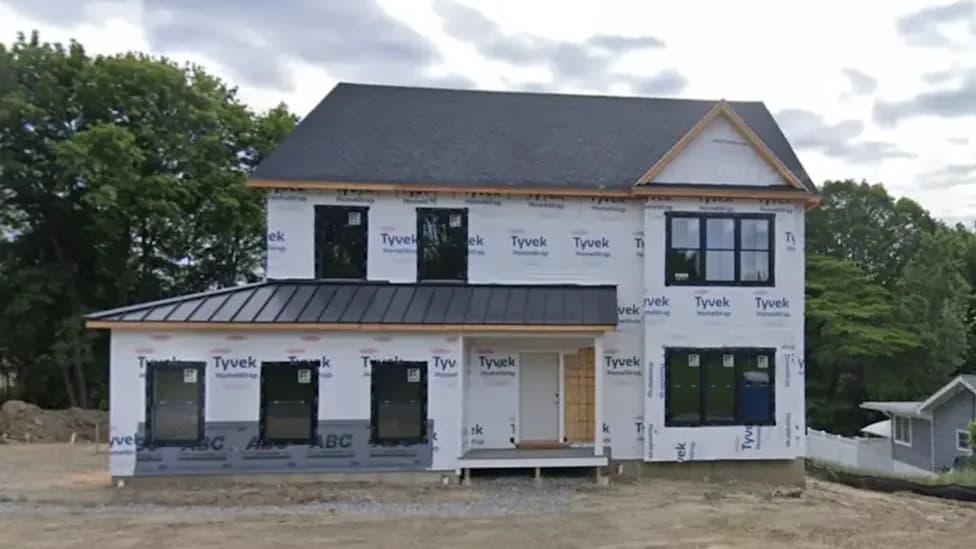
Image Credit: VT/Google Maps.
Dr. Daniel Kenigsberg was stunned to discover that a nearly $1.5 million, four‑bedroom house had been erected on a half‑acre parcel he had owned since 1991. The land at 51 Sky Top Terrace in Fairfield, Connecticut, sits next to his former home and, he says, was never meant to be sold.
How the Fraud Unfolded
The surprise came in 2023 when a friend told Kenigsberg—an endocrinologist who had moved to Long Island—that there was a new house on his vacant lot. When he visited the site he found a nearly finished home where his trees once stood. Public records later showed the property had been recorded as sold in October 2022 to 51 Sky Top Partners LLC for $350,000.
Authorities say the transfer was arranged by someone who impersonated Kenigsberg using a forged passport issued in Johannesburg, South Africa. Kenigsberg sued the developer, which claimed it had also been misled. The suit was settled in 2024: Kenigsberg received financial compensation and, shaken by the episode, chose not to keep the parcel. The property was later sold for roughly $1.45 million.
Why This Scam Works
Experts say seller‑impersonation fraud is increasingly common because property ownership is typically public. County records and online databases often list owners’ names and parcel details, which can allow bad actors to identify and impersonate owners. A fraudster can list a property and complete a remote closing with the help of notaries, agents, and title companies—many of whom may never meet the true owner before closing.
Warning: Title companies and the FBI have issued alerts about this growing scheme.
How Owners Can Protect Themselves
Property owners can take several practical steps to reduce risk:
- Sign up for county property‑fraud alert services, many of which are free and notify you whenever documents are recorded against your parcel.
- Periodically check countyonline records and the deed history for your property.
- Visit the site when possible or ask a local neighbor to report unusual activity.
- Ask your title company or county recorder about monitoring or securing deeds when a property is vacant or rarely visited.
This case is a reminder that even long‑held, unimproved land can be vulnerable to sophisticated fraud—and that vigilance and available safeguards can make a real difference.
Help us improve.