The Mukhyamantri Majhi Ladki Bahin Yojana, launched in June 2024, initially enrolled over 26 million women and pays eligible recipients 1,500 rupees a month. A national audit found Maharashtra overspent by 35.41 billion rupees, with total disbursements of 332.37 billion rupees and transfers of 155.86 billion rupees into special accounts. A verification drive removed more than 9 million beneficiaries — many for failing to complete e-KYC — and records show nearly 29,000 men and about 8,000 government employees received payments in error. Economists say the cash helps low-income women but caution about long-term fiscal trade-offs and call for stronger public services.
Maharashtra Removes 9 Million From Women’s Cash Scheme After Audit Finds Large Overspend
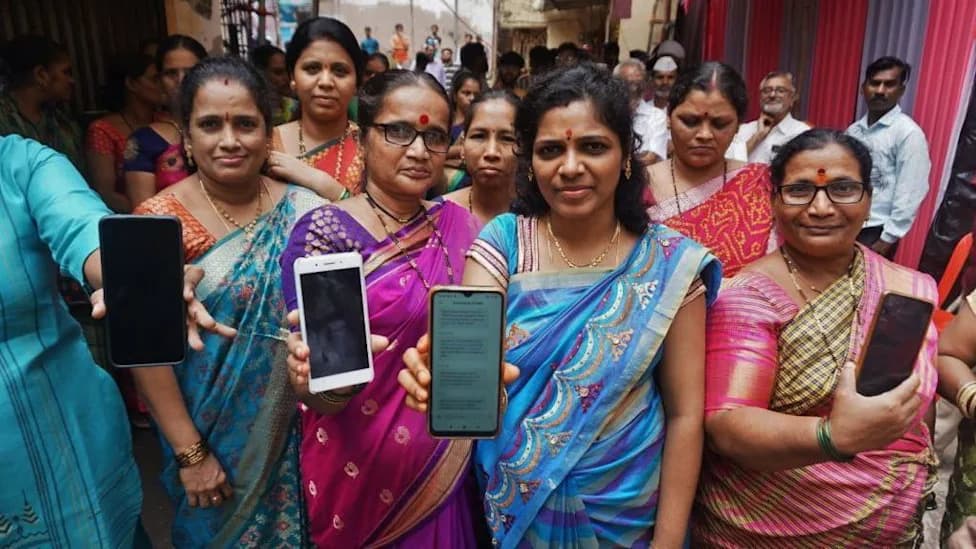
The scheme pays eligible women 1,500 rupees ($17; £13) a month [Hindustan Times via Getty Images]
Until two years ago, Nirmala Bawaskar had no bank account in her own name. A widow and housemaid in Maharashtra's Sambhajinagar district, she signed documents with a thumbprint and had little control over the household finances. That changed when she enrolled in the Mukhyamantri Majhi Ladki Bahin Yojana, a state cash-transfer programme that pays eligible women 1,500 rupees a month (~$17). For Bawaskar, the modest monthly transfers meant her first bank account and money she could manage herself.
Audit Raises Questions Over Implementation and Fiscal Discipline
Launched in June 2024 just months before a tightly contested state election, Ladki Bahin initially enrolled more than 26 million women and became both a financial lifeline and a high-profile political symbol. But a recent report by India's national auditor has placed the scheme under scrutiny. The auditor found that Maharashtra's Women and Child Development Department exceeded its authorised budget by 35.41 billion rupees, reporting total disbursements of 332.37 billion rupees in the programme's first financial year. The report also criticised the transfer of 155.86 billion rupees into special accounts in the final quarter of the year, saying the move weakened financial discipline and reduced legislative oversight.
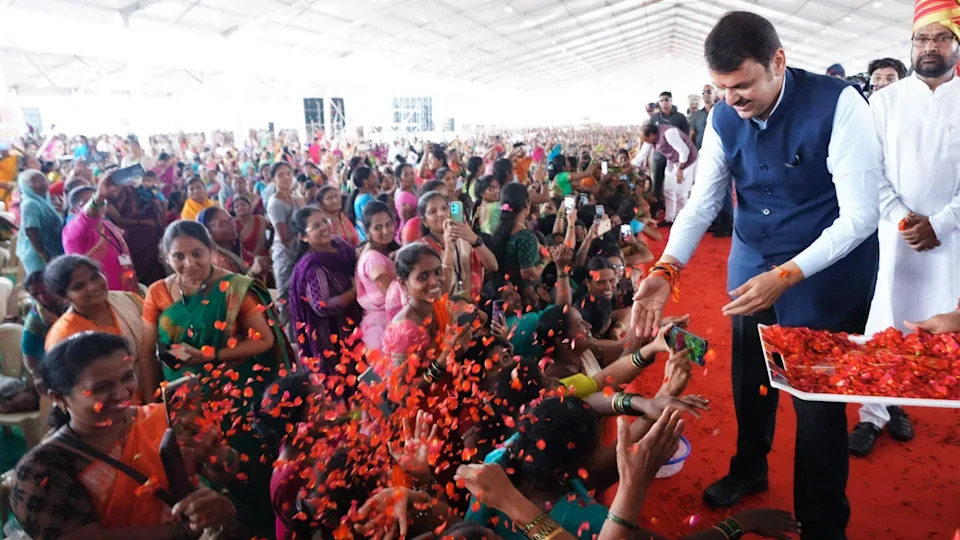
The Ladki Bahin scheme was announced by the ruling alliance ahead of the 2024 state elections [Sharad Badhe]
Verification Drive Removes Millions From Rolls
Separately, a government verification exercise removed more than nine million beneficiaries from the scheme's rolls — reducing active recipients from roughly 26.3 million to about 17 million after electronic identity verification (e-KYC) was made mandatory. Records obtained by The Indian Express show around 6.2 million of those removed had simply not completed e-KYC. Authorities said other exclusions resulted from ineligibility under income or age limits, households with government employees, duplication across welfare schemes, or multiple claims from the same household.
"Though it is a small amount, it really helped us, especially with medical expenses," Bawaskar said. "I was so motivated by it that I even learned how to write."
Errors and Recoveries
Government records also indicated that nearly 29,000 men and about 8,000 government employees had received payments in error. Officials said they are recovering those sums but did not disclose the total amount repaid. The state’s Women and Child Development Ministry said verification and recovery actions are ongoing but has not publicly addressed all the auditor’s findings.
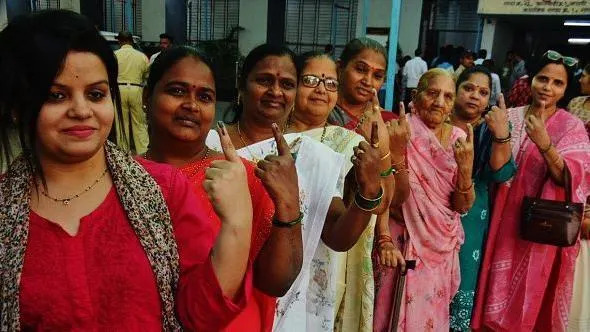
Across India, governments led by different political parties have rolled out cash-transfer schemes for women [Getty Images]
Political Impact
The scheme's rollout was politically significant: announced after the ruling Mahayuti alliance suffered setbacks in the 2024 national election, Ladki Bahin became a defining issue in the subsequent state contest. Post-election analysis by Lokniti-CSDS suggested the programme helped boost support for the ruling alliance among some women voters, but researchers cautioned the effect may be modest and that it is too early to label women a unified bloc of "welfare voters."
Debate Over Trade-offs
Economists and policy experts say the cash transfers have provided meaningful relief for low-income women with irregular earnings. Welfare economist Neeraj Hatekar notes that average daily earnings for women in Maharashtra are low, so a guaranteed 1,500-rupee monthly payment is significant for many households. At the same time, critics argue that sustained investments in public services — health, education, childcare and transport — could address the same needs while strengthening long-term resilience. Economist Ajit Ranade warned of potential long-term fiscal risks from large, rapidly scaled programmes: "You might divert funds to these schemes and win an election, but what about the long-term damage to the state's finances? That is never audited."
The auditor's findings may shape how Ladki Bahin is administered going forward. For recipients such as Bawaskar, however, the programme has already had a tangible impact: it provided a bank account in her name and money she can call her own. "It's money of my own," she said. "That's what matters to me."
Help us improve.