Texas lawmakers are weighing whether to require a minimum share of new power projects to be dispatchable as solar and battery storage make up about 70% of the state's 460GW interconnection queue. ERCOT officials warn a gas quota would be a major policy shift because the market now favors renewables, which are paid for production rather than availability. The debate centers on trade-offs among cost, reliability and long-term emissions, with regulators considering quotas versus financial incentives.
Texas Considers Mandating Gas Plants as Solar and Batteries Make Up 70% of New Power Queue
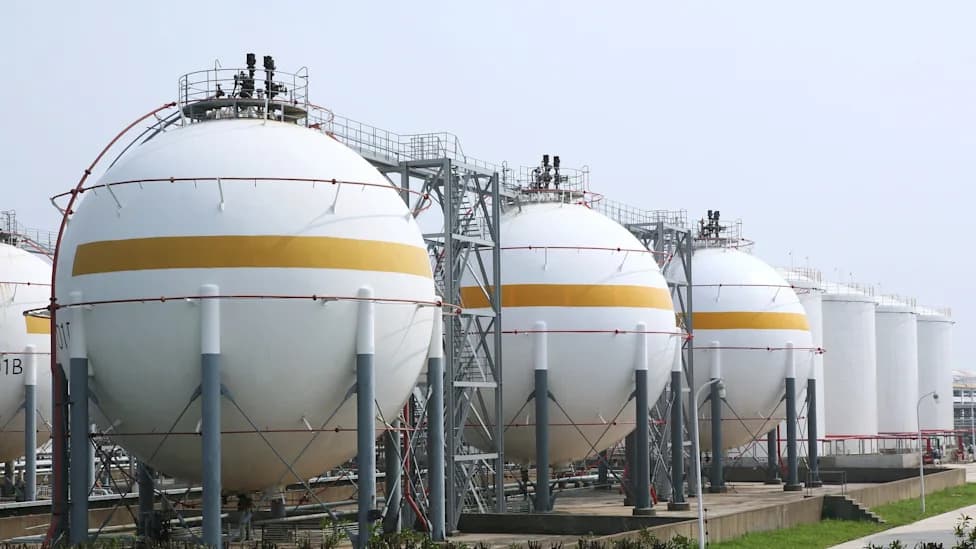
Photo Credit: iStock
Texas lawmakers are debating whether to require a minimum share of new power projects to be "dispatchable" — a proposal that would effectively favor natural-gas-fired plants as solar and battery storage account for the bulk of proposed capacity in the state.
Context
Data cited by Inside Climate News from the Electric Reliability Council of Texas (ERCOT) show roughly 70% of projects in Texas' 460-gigawatt interconnection queue are solar and battery storage, while natural gas represents under 17% of pending new generation.
What Lawmakers Are Considering
At a hearing of the Texas Senate Committee on Business and Commerce, Sen. Phil King asked whether regulators should require a portion of new generation to be "dispatchable" — resources that can be ramped up or down on demand. Supporters say dispatchable capacity helps the grid meet demand when the sun isn't shining or the wind isn't blowing; critics say a quota for gas would be a dramatic policy shift away from Texas' market-driven model.
"That would be a pretty significant policy change to have a requirement like that," ERCOT CEO Pablo Vegas told lawmakers.
Why This Is Happening
Under ERCOT's current market design, generators are paid for the electricity they produce rather than for being available. Because wind and solar have no fuel costs, they often undercut gas on price. ERCOT and Public Utility Commission of Texas Chairman Thomas Gleeson have both suggested Texas may need longer-term incentives to preserve some level of dispatchable generation.
Key Data Point
Vegas highlighted a July 22 peak when demand topped 91 gigawatts while ERCOT still reported more than 20 gigawatts in reserve. He warned that cushion could shrink within two to three years if demand keeps rising and most new capacity remains renewables paired with batteries.
The Trade-Offs
The debate centers on three main considerations:
- Cost: Renewables and storage have helped lower wholesale prices in many periods; slowing their growth or mandating gas could raise consumer bills.
- Reliability: Gas plants are dispatchable and can cover evening or seasonal demand spikes; proponents argue quotas or incentives will preserve that capability.
- Public Health and Climate: Adding more fossil-fuel capacity would lock in additional greenhouse gas and local air pollution from power plants for decades.
Stakeholders
Katie Coleman, representing the Texas Association of Manufacturers, the Texas Chemistry Council and the Texas Oil and Gas Association, told lawmakers the state's deregulated market has generally delivered "better reliability with better cost outcomes for consumers." Business groups that usually favor limited intervention are increasingly divided over how to respond to market signals that favor renewables.
Possible Paths
Officials are debating whether to adopt a hard quota for dispatchable capacity or to design financial incentives — such as capacity payments or longer-term contracts — that make gas plants more economically viable without directly mandating them.
Market trends indicate renewables and storage currently present a stronger business case than new fossil-fuel plants. The final policy choice will weigh short-term price impacts against long-term reliability and climate considerations.
Help us improve.