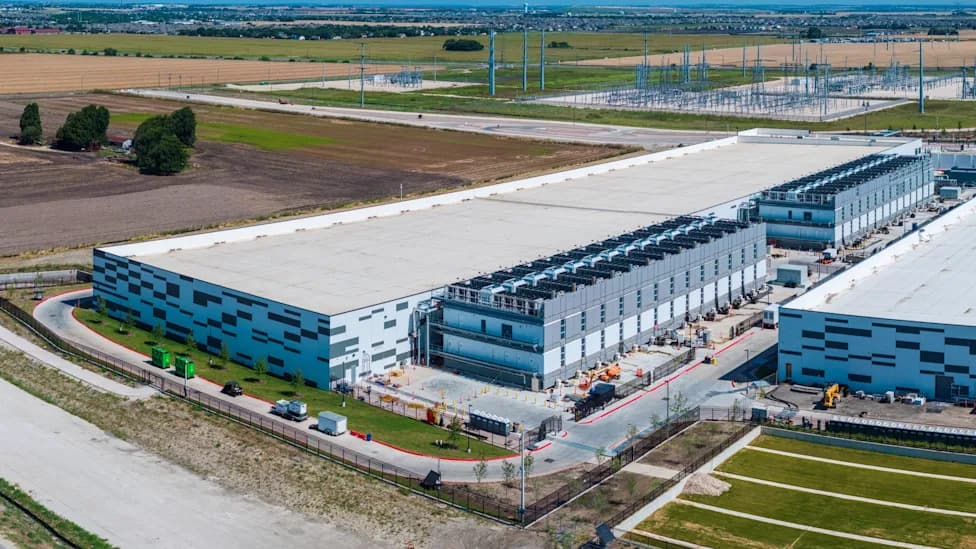
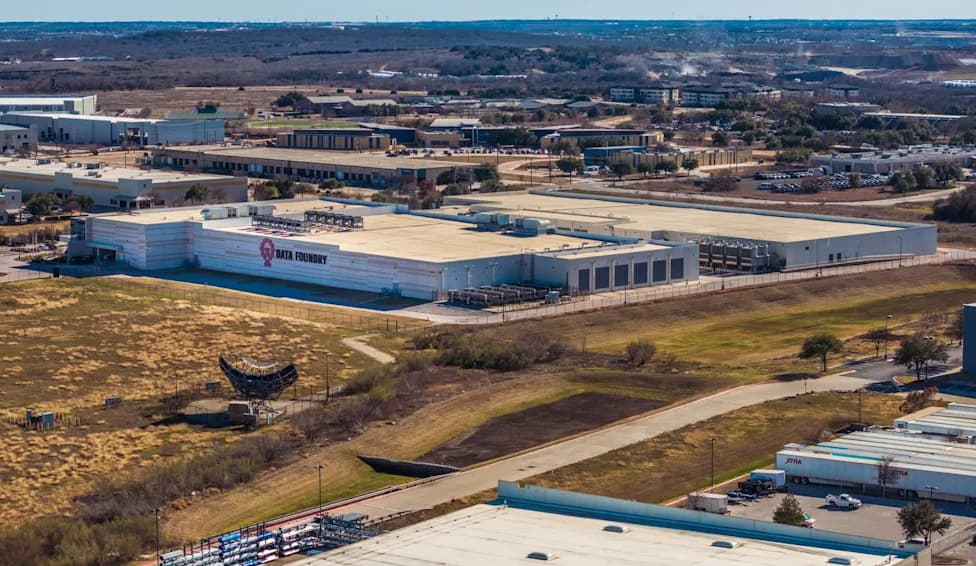
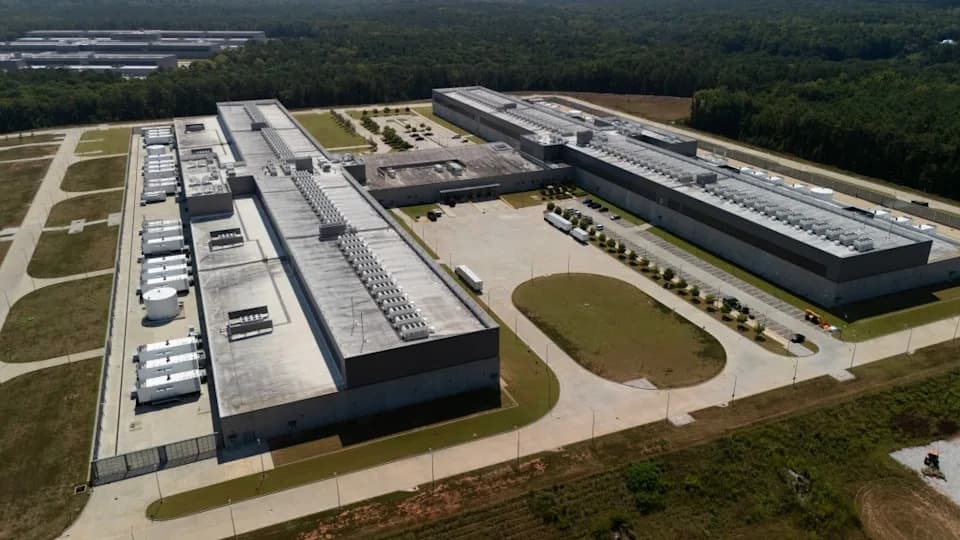
The El Paso town hall grew heated as residents pressed officials over Meta’s proposed West Texas data center, especially its potential use of up to 2.5 million gallons of water per day and roughly 1 GW of power. Officials said safeguards are planned—a physical meter cap and a proposed high-load tariff at the Public Utility Commission of Texas—to prevent costs from shifting to households. Key outstanding concerns include wastewater salinity (El Paso’s reclamation plant cannot remove very high salt levels) and requests from residents for clearer documentation and enforceable discharge rules.
El Paso Town Hall Erupts Over Meta Data Center: Water, Power and Cost Concerns
Photo Credit: Getty Images
A packed town hall in El Paso exposed deep community concerns about Meta's proposed West Texas data center, focusing on its potential demands for water and electricity, wastewater handling, and the risk of higher local utility costs.
Meeting Highlights
City Representative Cynthia Boyar Trejo moderated the meeting, which drew so many residents that some listened from doorways and outside the venue, according to local station KFOX14. Attendees pressed representatives from El Paso Water, El Paso Electric and the city attorney's office for clear answers about the project's impact.
Scope of the Project
Officials said the proposed facility could require as much as 2.5 million gallons of water per day at peak and about one gigawatt (1 GW) of electricity. Those figures framed much of the discussion and anxiety among residents.
Water Use, Wastewater and Salinity
El Paso Water President and CEO John Balliew said the utility has planned to deliver the projected volumes in that part of the city. But he warned that water used to cool data center equipment would concentrate salts and minerals through evaporation. “It’s simply the water,” Balliew said, noting that evaporation can leave higher concentrations of salt and minerals in returned flows.
Balliew also acknowledged limits at the Fred Hervey Water Reclamation Plant: it is "not equipped to remove high levels of salt," raising questions about discharge management and any additional treatment that might be required.
Safeguards and Financial Responsibility
Officials described several safeguards. El Paso Water said Meta’s water use would be capped at 2.5 million gallons per day and that a physical water meter would prevent higher flows. Daniel Perez, who oversees regulatory and government affairs at El Paso Electric, said residential customers would not be made to absorb Meta’s costs. “Absolutely not,” Perez said, adding that a proposed high-load tariff before the Public Utility Commission of Texas is designed to keep very large customers financially responsible for dedicated infrastructure, even if they later close or leave.
Community Reaction and Next Steps
Despite reassurances, many residents said the answers were insufficient and demanded clearer documentation, stronger discharge limits, and ongoing transparency. Balliew emphasized that the 2.5 MGD peak would occur only under extreme heat conditions and for short periods — “a few days a year and a few hours on those days” — but questions remain about cumulative effects, monitoring, and long-term wastewater handling.
City and utility officials said regulatory reviews and permit processes are ongoing. The high-load tariff and any formal discharge limits will be decided through regulatory channels, and residents were urged to follow upcoming public hearings and filings.
Bottom line: The town hall made clear that while utilities and Meta cite technical safeguards, community trust hinges on clearer documentation, enforceable wastewater limits, and continued public oversight.
Help us improve.