More than 20,000 federal pages released after litigation reveal that the Homestead migrant detention center, closed in 2019, housed children beside a Superfund Air Reserve Base and exposed them to arsenic, lead and repeated F‑16 noise. The documents link those exposures to cancer risks, organ damage and developmental harm, and show no documented environmental assessment or cleanup. Earthjustice sued in 2021 to force disclosure; the government recently agreed to pay legal fees. Advocates say the records sharpen scrutiny of how detention sites are chosen and operated.
Records Reveal Homestead Migrant Center Exposed Children to Arsenic, Lead and F‑16 Noise

Photo Credit: Getty Images
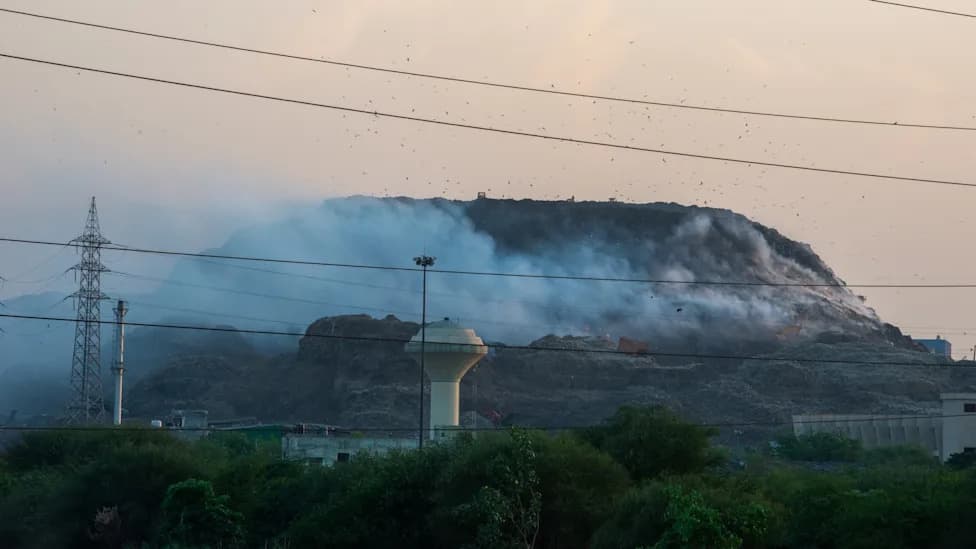
Newly released federal records show that children detained at the now-closed Homestead migrant detention center outside Miami were exposed to arsenic, lead and other hazardous conditions while housed adjacent to Homestead Air Reserve Base — a federally designated Superfund site with a documented history of contamination and frequent fighter-jet operations.
Key Findings From the Records
The documents, part of more than 20,000 pages disclosed after litigation, describe children as young as six being housed near contaminants tied to cancer, kidney and liver damage, immune-system harm, and developmental risks. The records also detail repeated F‑16C jet noise at levels the files link to cognitive impairment and developmental delays in children.
Despite the base's contamination history and the facility's proximity to roughly 16 pollution sources, the records indicate there was no documented environmental hazard assessment or cleanup of the areas used by the center while it operated. Advocates also say the site lacked a hurricane plan — a critical gap in a coastal region increasingly vulnerable to severe storms.
Legal Action and Aftermath
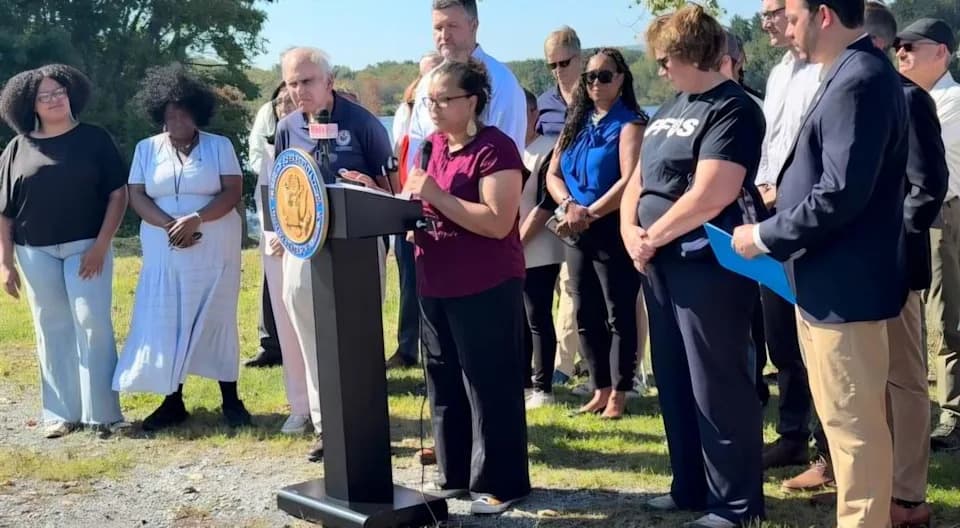
In 2021, Earthjustice sued the Air Force, the Department of Homeland Security and Immigration and Customs Enforcement on behalf of the American Friends Service Committee to compel release of the records. That litigation concluded recently when the federal government agreed to pay the plaintiffs' legal fees. Officials contacted by reporters declined to comment.
Guadalupe de la Cruz, Florida program director for the American Friends Service Committee, called the court result "a victory" that demonstrates how pressure can force government accountability and said the case highlights a recurring pattern of using contaminated land to site detention facilities for vulnerable people.
Homestead first opened in 2016 as an "emergency influx shelter," briefly closed in 2017, and reopened in 2018. At its peak the facility held more than 3,700 children and closed in 2019. The newly disclosed files give advocates and attorneys fresh evidence to scrutinize how detention sites are selected and operated and could inform future legal challenges and policy changes.
Why it matters: Children are uniquely vulnerable to toxic exposures and prolonged high-decibel noise; these conditions can have lasting effects on development and health. The records underscore the need for transparent environmental reviews and stricter safeguards when housing children in or near contaminated or high-noise locations.
Help us improve.