Sen. Chris Murphy told NBC's Meet the Press he would back an imperfect agreement to end hostilities with Iran if it reopens the Strait of Hormuz and eases economic pain for Americans. A Wall Street Journal report says the White House may accept a deal that reopens the strait while leaving Iran’s nuclear activities largely unaddressed. Murphy warned such an outcome would amount to a strategic loss for the U.S. as shipping remains disrupted and energy prices rise.
Sen. Murphy Says He'd Back A 'Bad Deal' To End Iran War As Strait Of Hormuz Remains Blocked
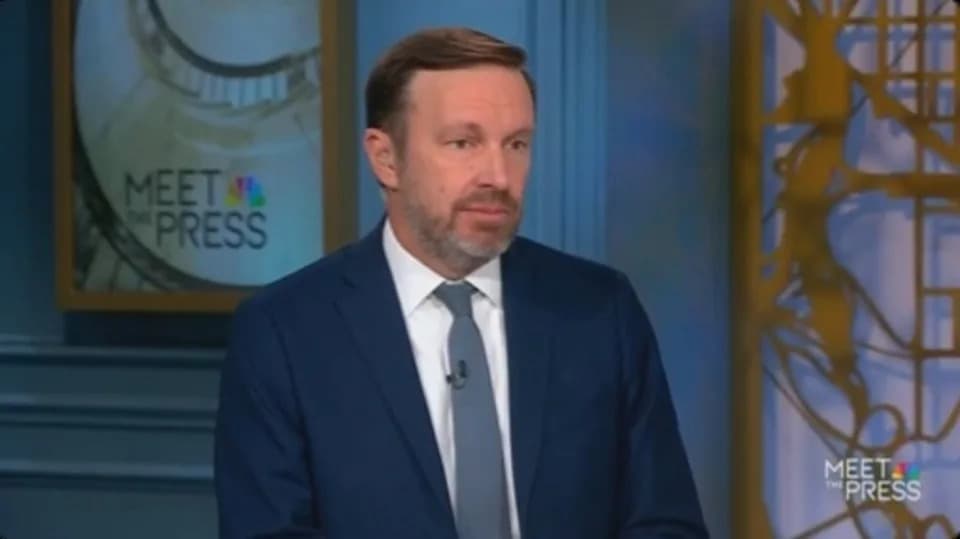
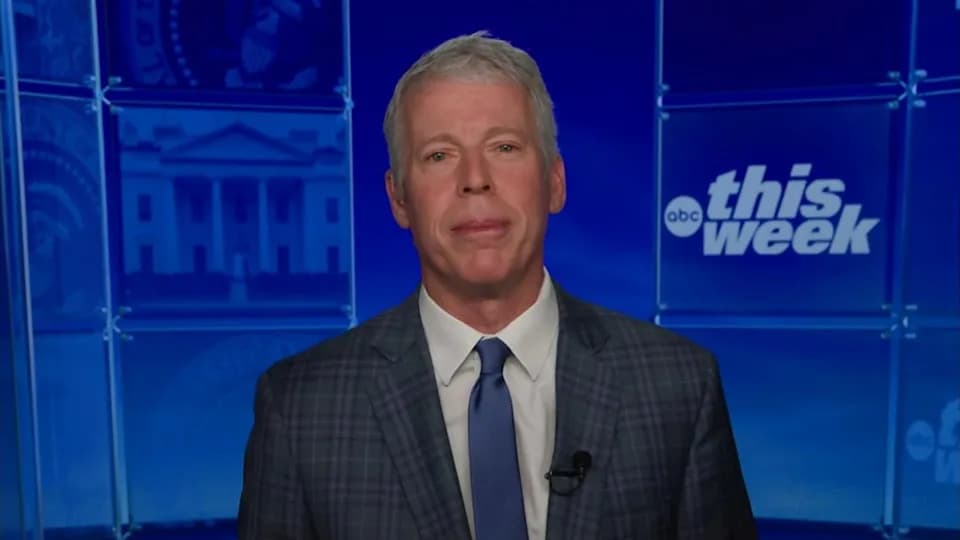
Chris Murphy appeared Sunday on NBC to discuss the Iran war (NBC - Meet the Press)
Connecticut Sen. Chris Murphy sharply criticized President Donald Trump on Sunday for failing to secure a durable agreement to end hostilities with Iran, saying the administration may be forced to accept an imperfect deal to reopen the Strait of Hormuz.
Murphy On Meet The Press
Speaking with Kristen Welker on NBC's Meet the Press, Murphy said he would support an agreement to end the fighting now — even a “terrible” one — if it reopens the strait and eases the economic pain felt by American consumers.

Chris Murphy told NBC's Kristen Welker on Sunday that he would support a 'bad' deal if it meant ending the war soon (Getty)
“I will support a deal to end this war and reopen the Strait. I am prepared to support a bad deal … because every day that the war continues, America gets weaker, Iran gets stronger, and people here in the United States get screwed, as prices go up, and up, and up,” Murphy said.
What The Wall Street Journal Report Says
The Wall Street Journal reported that the White House is privately discussing the possibility of accepting a deal that reopens the strait while leaving Iran’s nuclear activities largely unaddressed — effectively conceding on one of the administration’s stated military objectives to eliminate Iran’s remaining nuclear material and restrict enrichment for years.
Strategic And Economic Stakes
Murphy warned that the cost to reopen the strait is rising. He cited reports that the deal under discussion could amount to roughly $100 billion a year to Iran — a sum he said equals about one-third of Iran’s annual economy — to allow freer shipping through the waterway.
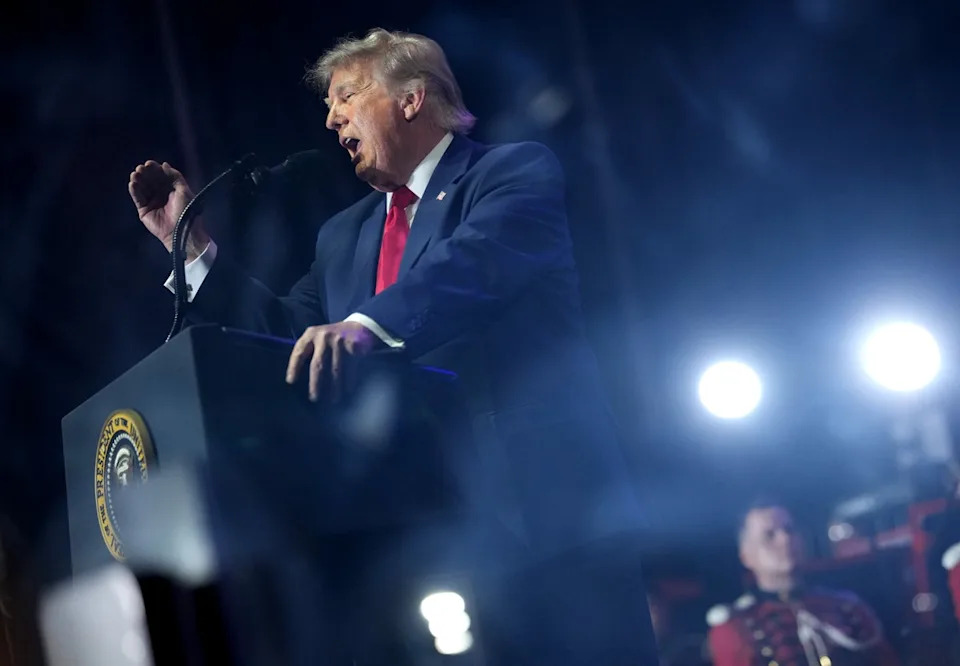
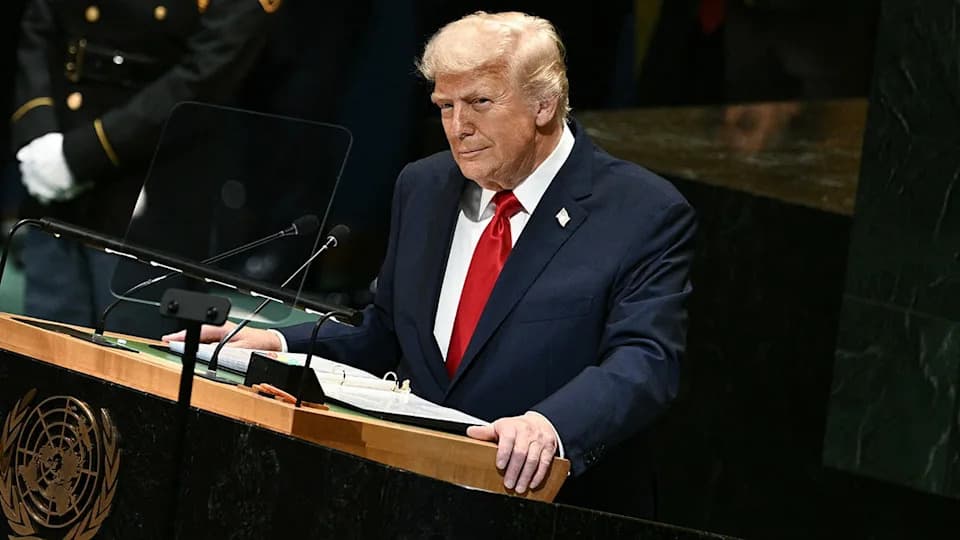
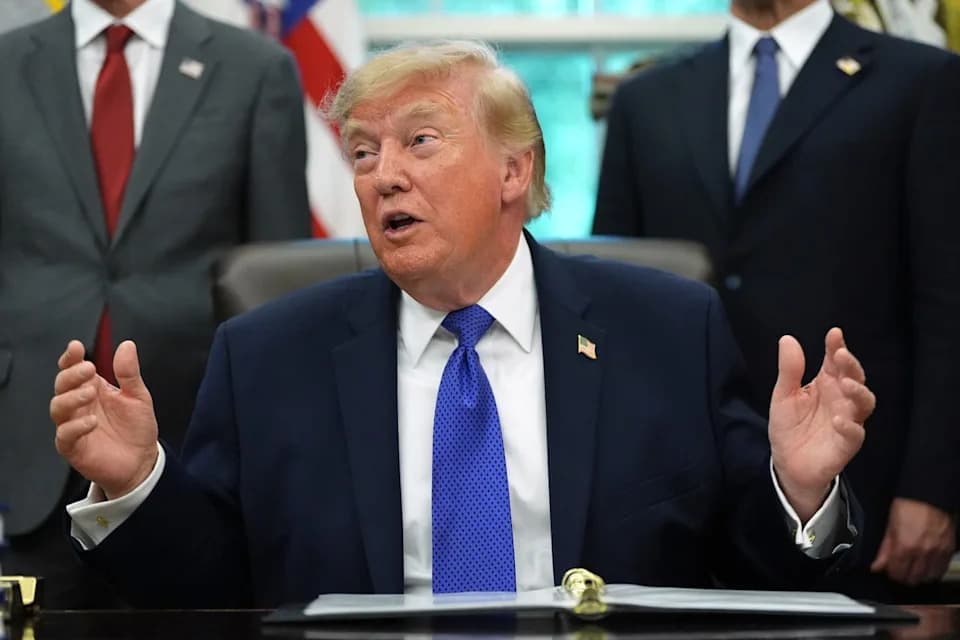
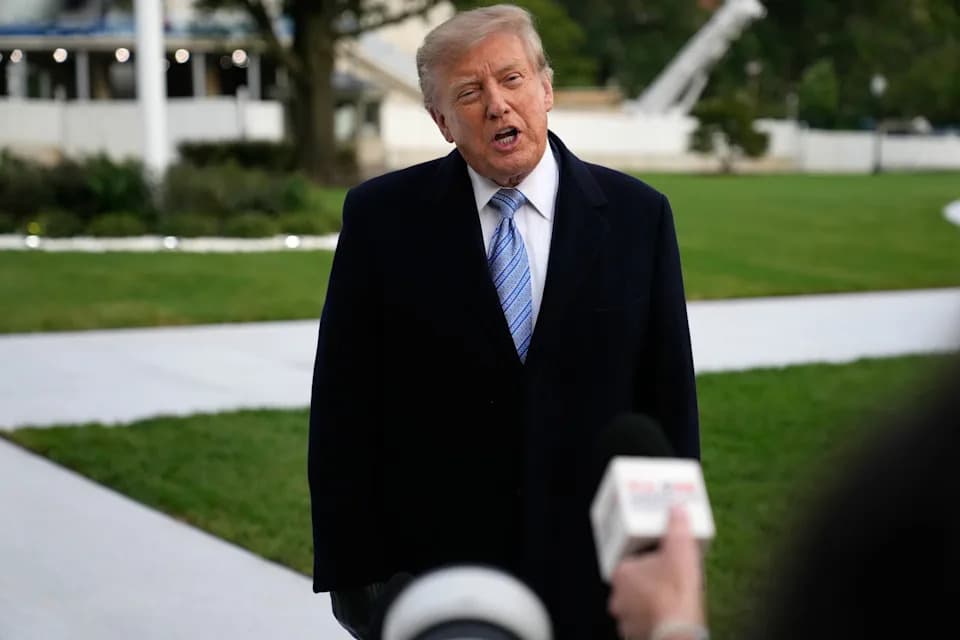
Trump often uses his rallies and speeches to hype up American military victories under his administration (Getty)
The Strait of Hormuz is a vital corridor for global energy shipments. Since hostilities resumed in July, Iranian forces and the Islamic Revolutionary Guard Corps have been accused of laying mines and launching drone and rocket attacks on tankers and other vessels, disrupting traffic and prompting many ships to avoid the corridor.
Domestic Impact
Reduced shipping through the strait has contributed to higher oil and gasoline prices in the United States. The national average for gasoline is more than $1.00 higher than before the conflict began in late February, which has squeezed consumer budgets and dampened summer travel demand.
Political Context
Murphy and other Democrats argued that, given the limited leverage available and continued disruptions at sea, accepting a flawed agreement could be preferable to prolonged conflict and its economic fallout. Meanwhile, Republicans have pressured the administration for an exit strategy, and the White House faces growing questions about its ability to translate military assertions into secure shipping routes.
Takeaway: Murphy says ending the war should be the priority even if the resulting agreement is imperfect, warning that continued disruption of the Strait of Hormuz weakens U.S. leverage and hurts American consumers.
Help us improve.