As more U.S. districts move start dates into mid-summer, students and staff face increased exposure to extreme heat. Many schools lack adequate air conditioning, shade and medical coverage, and the highest-heat districts often have the fewest resources to adapt. Heat raises absenteeism and harms learning, but actions such as shade, HVAC upgrades, adjusted schedules and policy changes can reduce risks. Equitable, climate-informed planning is critical to protect children’s health and education.
Schools Aren’t Prepared For Extreme Heat — Classrooms and Playgrounds Are Getting Hotter
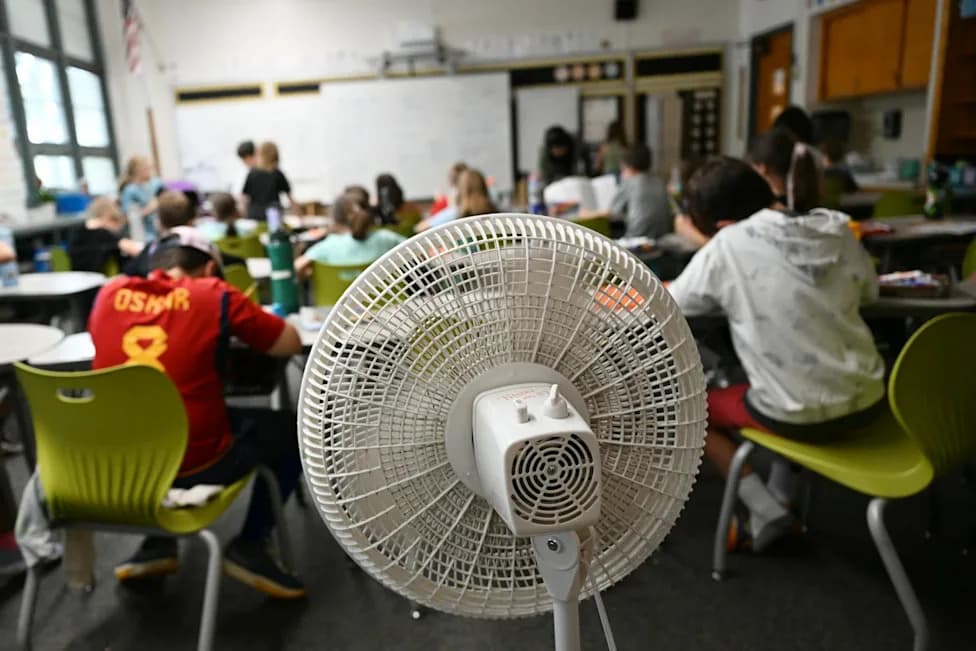
Retrofitting old classrooms with air conditioners, even when necessary to maintain a cool classroom, isn't always financially possible.RJ Sangosti/The Denver Post
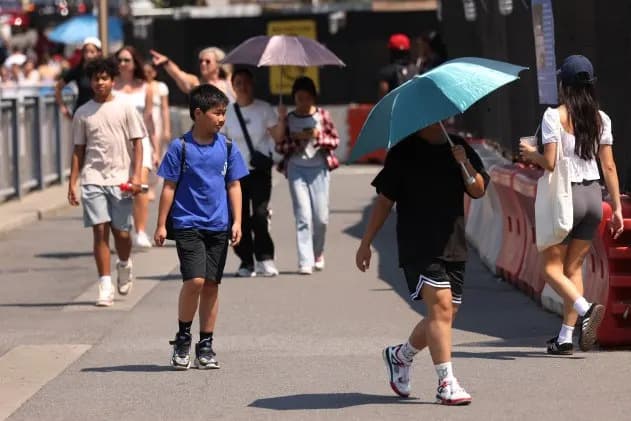
As Phoenix recorded temperatures as high as 117°F (47°C) in July 2026, children continued to walk to school, play at recess and practice sports — routines that increasingly occur during dangerously hot conditions. Across Arizona and many U.S. cities such as Los Angeles and Houston, districts that have moved school start dates into mid-July or August are exposing students and staff to more of the year’s hottest days.
Why This Matters
Extreme heat is rising in frequency, intensity and duration across the United States and other countries. Many school buildings, playgrounds and schedules were not designed for today’s climate, leaving students — particularly younger children — vulnerable to heat-related illness, reduced learning, and higher absenteeism.
Health Risks
Exposure to hot environments increases the risk of heat-related illness. Most extreme-heat illnesses tied to high school sports occur in July and August, and approximately one-third of these events happen without a school nurse or other medical professional present. Emergency-department visits for heat-related conditions among school-age children peak during the warmest months.
Children are more susceptible than adults to heat stress because of physiological differences that limit their heat tolerance, reduced ability to recognize early warning signs, and reliance on adults to take protective measures.
Learning and Attendance
Heat also affects learning: K–12 absenteeism is about 16% higher on days when temperatures exceed 90°F (32°C). Students taking exams in overly warm classrooms tend to perform worse, but adequate air conditioning can mitigate these effects.
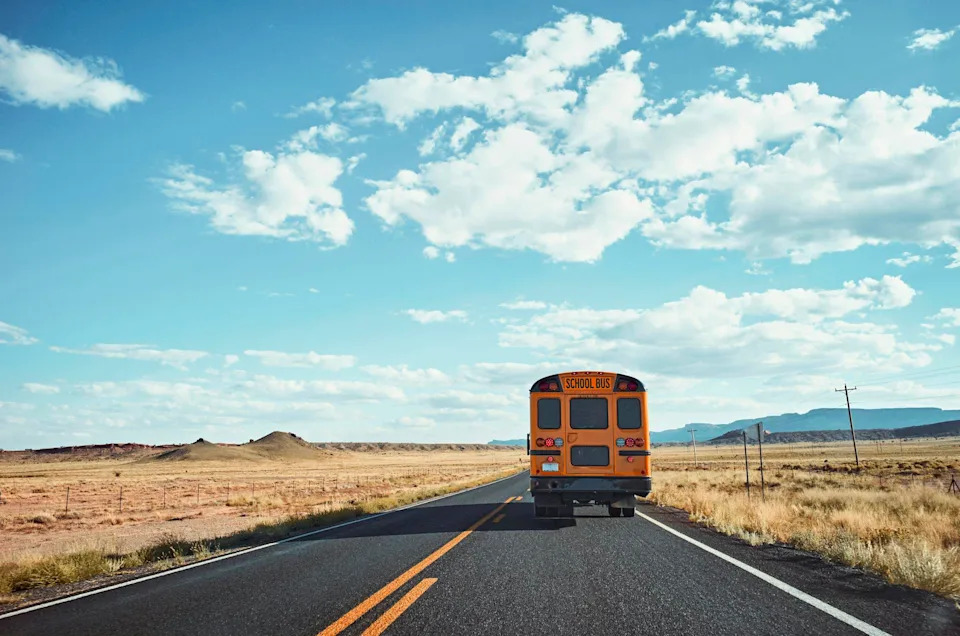
Extreme summer heat isn't new in states like Arizona, but schools there and across the country are still navigating how to respond to it.Markus Moellenberg/Connect Images/Getty Images
Why School Calendars Are Shifting
Many districts have shifted start dates earlier to reduce summer learning loss, extend instructional time for standardized test preparation, and respond to teacher and administrator preferences. Federal efforts to help chronically underperforming schools and state incentives also play roles. For example, Arizona offers a 5% funding boost to schools that extend the school year from 185 to 200 days. Charter schools — which make up about 60% of schools with earlier start dates — have greater calendar flexibility and contribute to this trend.
Infrastructure Gaps and Costs
Many schools lack adequate cooling, shade and medical coverage. An estimated 41% of U.S. school districts that have air conditioning need to update or replace their systems. Installing air conditioning where none exists is estimated to cost roughly US$40 billion, while upgrading existing systems has been estimated at more than $414 million. Between 1970 and 2025, 156 school districts serving more than one million students experienced at least 30 additional school-year days above 80°F (26.7°C).
Outdoor play areas often use heat-absorbing materials such as black rubber, concrete and metal, and many campuses were built with little or no shade. Large shade structures can cost tens of thousands of dollars, and many of the schools facing the most extreme heat have the fewest resources to pay for upgrades.
Effective Adaptations
Districts and schools are piloting several practical adaptations:
- Planting trees and installing shade canopies to reduce surface and air temperatures and cut direct sun exposure by around 84%.
- Replacing hot surfaces with cooler, permeable materials and adding green spaces to improve thermal comfort and encourage physical activity.
- Providing flexible schedules for outdoor activities, altering sports practice times, and ensuring access to trained staff and medical resources during hot spells.
- Investing in reliable, well-maintained air conditioning and indoor spaces large enough to host physical education and sports when outdoor conditions are unsafe.
Policy, Equity and Planning
Some states have enacted policies that adjust sports schedules, require extra equipment or training, or set classroom temperature targets (for example, keeping classrooms below 82°F / 27.8°C). The Federation of American Scientists’ Heat Policy Agenda calls for national action to create heat-safe schools.
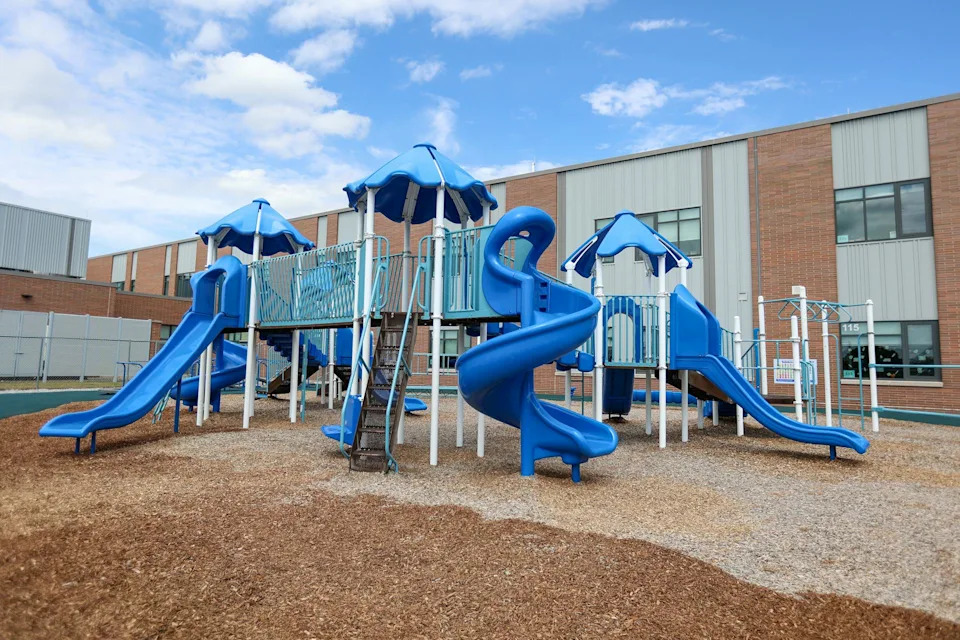
Adding shade covers to playgrounds at schools can help create safer environments for kids, but it is often prohibitively expensive.Jason Ardan/Citizens' Voice via Getty Images
Equity is central: schools in the hottest places are often the least resourced. Regional planning — including aligning academic calendars with local climate patterns — and long-term investment in infrastructure will be necessary to protect student health and learning.
Recommendations For Schools
Short-term actions include heat-safety training for staff, changing activity schedules during heat waves, increasing hydration breaks, and using temporary shade solutions. Longer-term priorities are upgrading HVAC systems, adding permanent shade and tree cover, resurfacing play areas with cooler materials, and ensuring indoor alternatives for physical activity.
Our research at Arizona State University — part of the HeatReady Schools program — aims to help districts plan, design and implement these changes so children can learn, play and thrive safely in a warming climate.
Authors: Allison Poulos and Jennifer Vanos, Arizona State University. This article is republished from The Conversation, a nonprofit, independent news organization providing factual, evidence-based analysis.
Funding Disclosure: Allison Poulos and Jennifer Vanos receive funding from the National Science Foundation.
Help us improve.