Community-run Clean Air Clubs and Mask Blocs are stepping in to protect people from wildfire smoke by lending air purifiers and distributing high-filtration masks like N95s and KN95s. These mutual-aid groups are able to mobilize resources faster than formal channels, reaching vulnerable populations such as the elderly and people with respiratory conditions. Organizers highlight rapid, practical responses—from hundreds of thousands of masks distributed to fully booked purifier libraries—while connecting this work to broader public-health and climate policy failures.
Community Clean Air Clubs and Mask Blocs Mobilize to Shield Americans From Wildfire Smoke
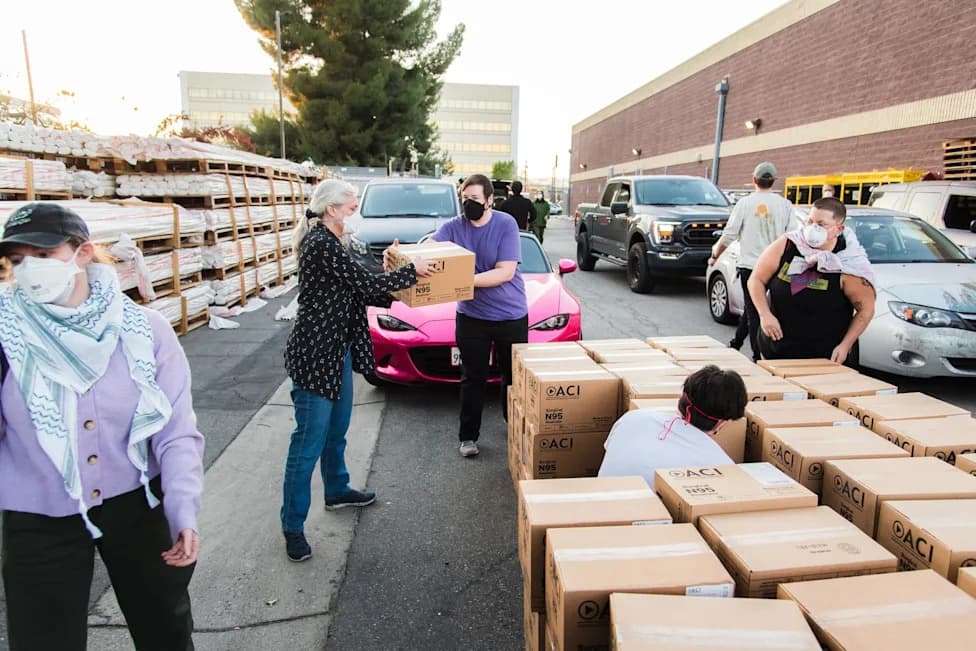
Mask Bloc LA volunteers distribute and deliver masks during the Los Angeles wildfires on 15 January 2025.Photograph: Abby Mahler
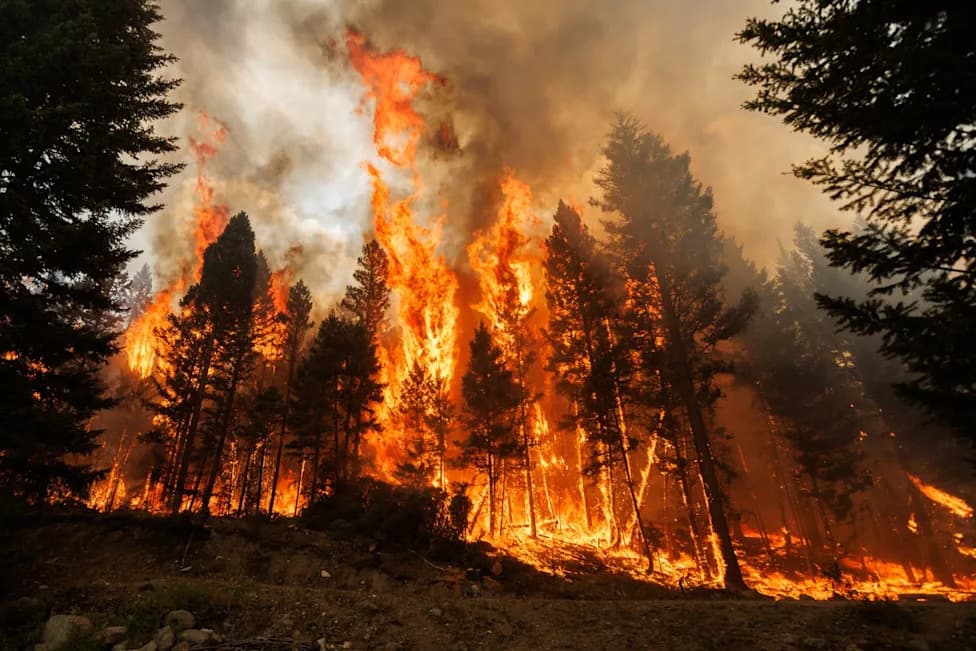
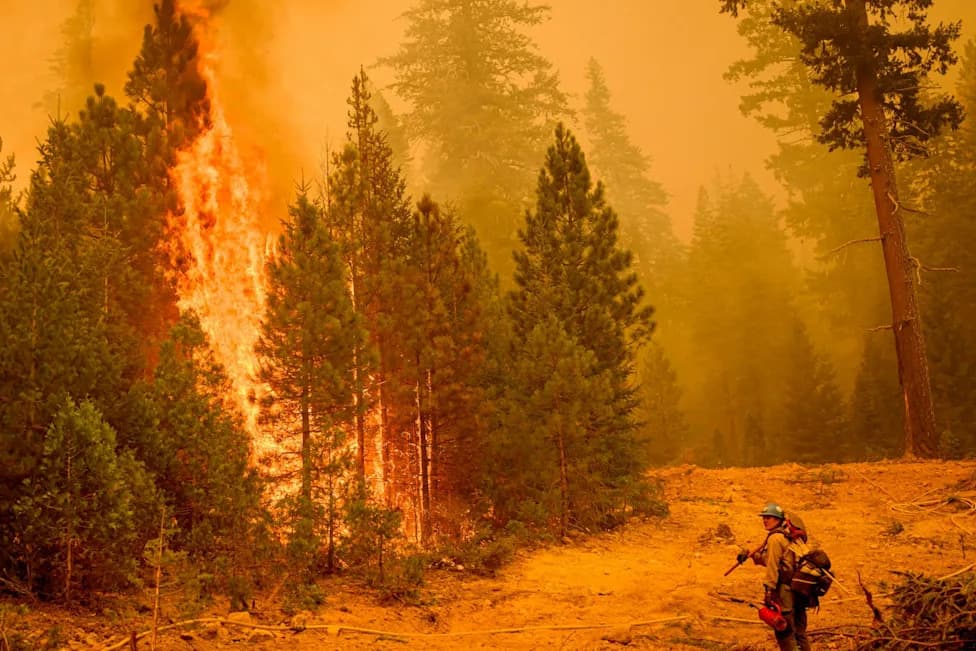
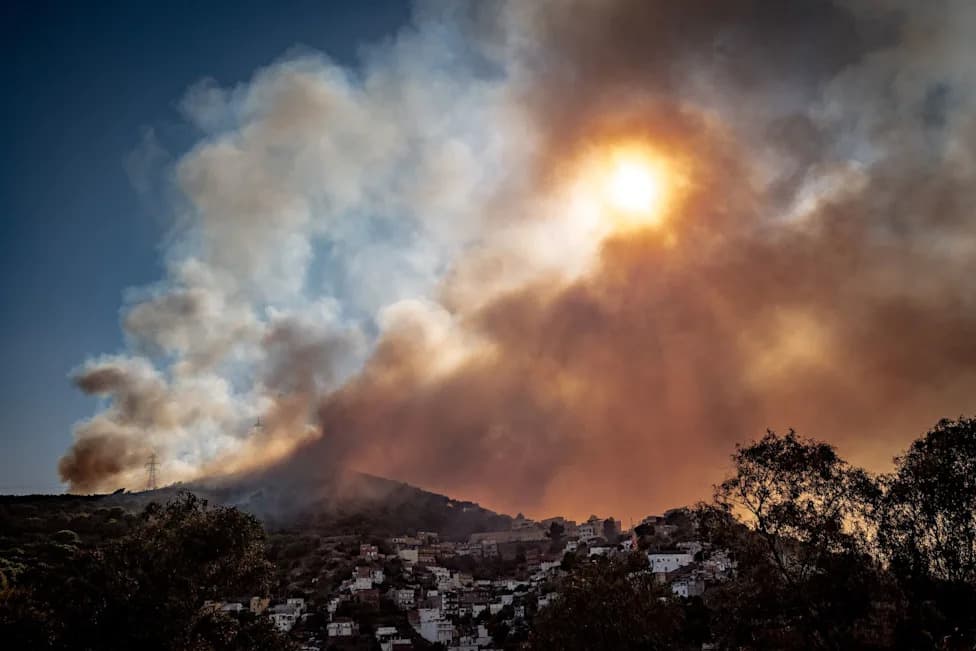
Miquette Thompson’s home in rural Mendocino County has been shrouded in smoke for a week. Nearby, the Feliz and Woodside fires in Northern California have charred more than 1,000 acres, and smoke drifting from large wildfires in Oregon and Washington has settled over the area.
“It's become not unusual,”
Thompson said, describing the frequent sight of a hazy sky outside her door. That smoke has produced dangerous air quality in her under-resourced, "wee rural little area." Wildfire smoke poses health risks for everyone but is especially harmful to older adults and people with respiratory conditions; a University of California study found hospitalizations for asthma rise about 10% on smoke days.
Grassroots Response: Masks and Purifiers
Thompson has long been active in local safety efforts related to airborne illness—handing out free personal protective equipment (PPE) to neighbors and COVID tests at farmers markets. Frustrated by unclear public-health guidance about which masks block smoke particles, she and volunteers at Mendo Clean Air Club partnered with local businesses to distribute high-filtration masks such as N95s and KN95s, which filter finer particles than cloth or surgical masks.
Mendo Clean Air Club is part of a growing global network of more than 40 Clean Air Clubs. The movement traces back to Emily Dupree, a Chicago resident whose first lending library of air purifiers supported touring musicians during the COVID pandemic. Today, Clean Air Clubs and Mask Blocs—mutual-aid collectives for sharing masks—run lending libraries that provide free masks and air purifiers, help communities monitor local air quality, and move resources quickly during smoke events.
Quick Mobilization Matters
When Chicago’s air turned smoky one July, Dupree noticed their library of 15 purifiers was underused. After promoting the service and allowing reservations from a storage unit, the purifiers were fully booked within hours. “We are able to mobilize clean air resources extremely quickly because we are not dealing with bureaucracy or red tape,” Dupree said. “We just get the purifiers placed where they're needed as quickly as possible.”
That speed and accessibility can be lifesaving for people with underlying health vulnerabilities. Mask Bloc Los Angeles distributed more than 300,000 masks in two weeks during the catastrophic January 2025 LA fires, demonstrating how mutual-aid networks can scale rapidly in an emergency.
Mutual Aid Supports Vulnerable Neighbors
After the U.S. COVID emergency declaration ended in 2023, Mask Bloc Delaware organizer Shannon Durkin—who has cystic fibrosis and uses a respirator—felt increasingly excluded from public life as protections rolled back. Since 2024, Durkin and her husband Jimmy have distributed KN95 masks at protests and through partnerships with groups such as Food Not Bombs and local DSA chapters. During an east-coast smoke event triggered by Canadian wildfires, they walked through Wilmington handing out PPE and leaving masks at local businesses to broaden access.
Organizers say Clean Air Clubs and Mask Blocs are increasingly essential as some public officials continue to downplay the effectiveness of masks and the ongoing risks from respiratory illnesses. Thompson navigates local COVID hesitancy by focusing on pragmatic messages about health and livelihoods. “The big message that's gotten through in a rural, underfunded region is that we can't afford to get sick or to get long Covid,” she said. Many residents do manual labor and lack the resources to manage prolonged illness.
Scaling Up and Sharing Knowledge
Aware that other communities need the same tools, Dupree compiled a practical Google Doc that outlines how to start lending libraries and organize distributions. Organizers emphasize that mutual aid provides not only immediate protection but also a meaningful way for people to act amid overlapping crises of public health and climate-driven wildfire risk.
“A lot of people, when they're looking at the various horrors of the world, can feel overwhelmed and then stuck regarding what they should do about it,” Dupree said. “But what this shows us is that even if you decide to focus on one problem, it turns out usually what you come up with is going to be able to pivot and solve other problems that you didn't initially try to address. There's a kind of freedom in that.”
Help us improve.