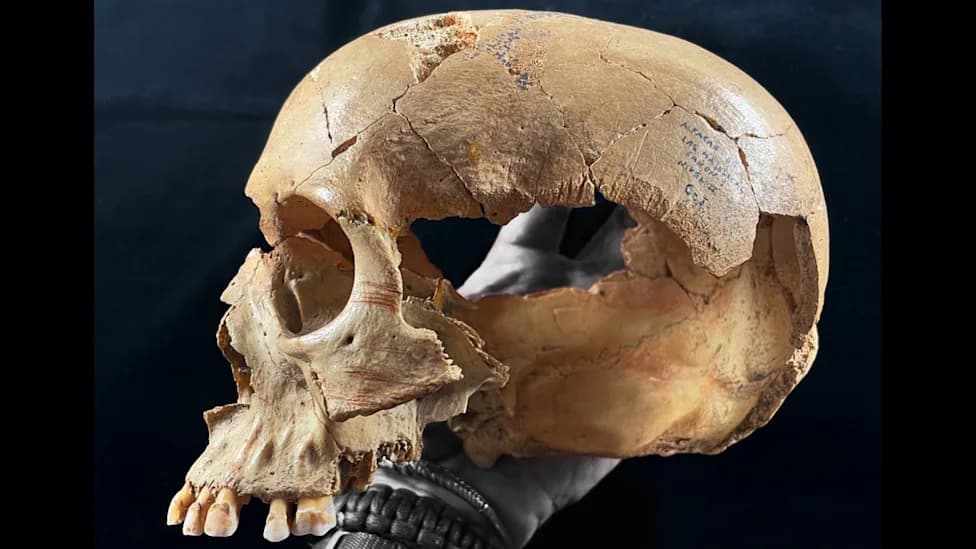
Archaeologists in Málaga have uncovered a remarkably well-preserved, 42-foot dolmen dating to about 5,000 years ago. The multi-chambered tomb contains human remains and a rich array of grave goods—ivory, amber, seashells and advanced flint tools, including a rare halberd-like implement. Its excellent preservation and evidence of exotic materials point to detailed funerary rituals and long-distance exchange networks in southern Iberia during the third millennium B.C.E.
5,000-Year-Old Dolmen Unearthed in Málaga Yields Rich Trove of Artifacts
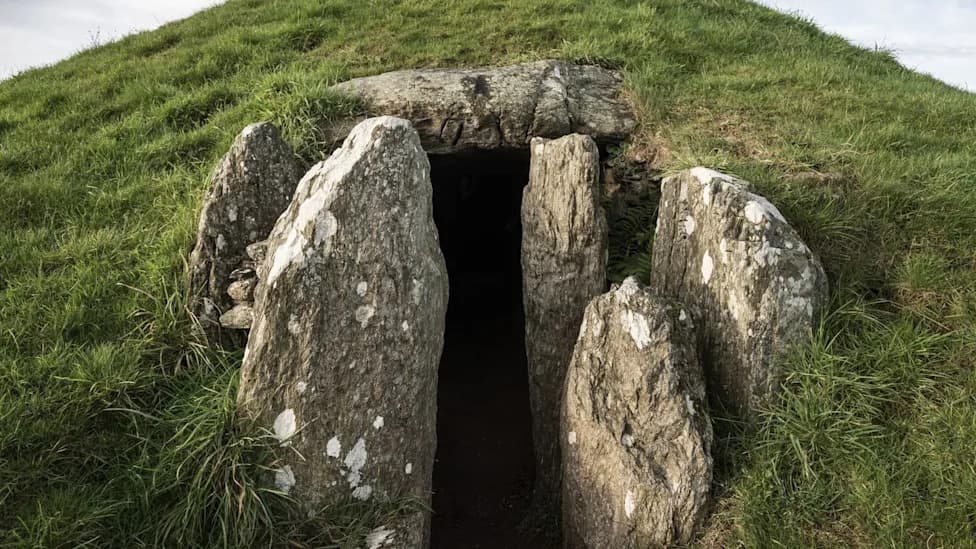
Experts Found An Ancient Treasure-Filled TombPhotos by R A Kearton - Getty Images
Archaeologists working in Málaga, Spain, have uncovered an exceptionally well-preserved stone-built tomb—dated to roughly 5,000 years ago—that stretches about 42 feet (13 meters) in length. The monument, identified as a major dolmen, contains multiple internal compartments and a rich assemblage of grave goods that promise new insights into funerary practices and long-distance connections in southern Iberia during the third millennium B.C.E.
A Monumental, Multi-Compartment Dolmen
The structure features upright orthostat slabs exceeding six feet in height and several internal chambers or ossuaries, indicating the dolmen served as a collective burial site used across multiple phases. Project co-directors described the find as one of the most monumental and complete dolmens discovered in Andalusia.
"The true potential of this structure lies in its extraordinary state of conservation, which will allow us to gain a detailed understanding of the lifestyles and beliefs of these communities," said Eduardo Vijande, co-director of the excavation.
Rich Grave Goods and Evidence of Exchange
Excavators recovered human remains alongside a wide variety of prestigious objects: worked ivory and amber, numerous seashells, and an extensive collection of refined flint tools, including arrowheads, large blades and an exceptional halberd-like implement. The presence of marine shells at an inland site highlights the prestige value of coastal items and suggests long-distance exchange networks.
Eduarda Vijande Villa, associated professor of prehistory at the University of Cádiz and co-director of the dig, noted that the dolmen was capped by large horizontal slabs and covered by a tumulus of sand and small stones—features that emphasize the deliberate monumental nature of the burial complex.
Broader Significance
Dolmens appear across Europe and Asia and could serve ritual, territorial, or funerary purposes. This Málaga discovery adds important detail to our understanding of prehistoric monumentality in Iberia and complements other well-known megalithic sites—such as Spain's Dolmen of Guadalperal and England's Arthur's Stone—by revealing local variations in construction, use and exchange networks.
Ongoing analysis of the remains, artifacts and construction will help researchers reconstruct social organization, belief systems and the economic ties of communities in the third millennium B.C.E.
Help us improve.